
Tech & Innovation


Is Quantum Computing Actually Close to Changing the Internet?
Quantum computing gets announced as a revolution roughly every six months. A tech giant publishes a paper, the headlines declare that classical computers are about to become obsolete, and then... nothing obviously changes. Your browser still loads the same way. Your passwords still work. The internet still runs on the same basic infrastructure it did a decade ago.
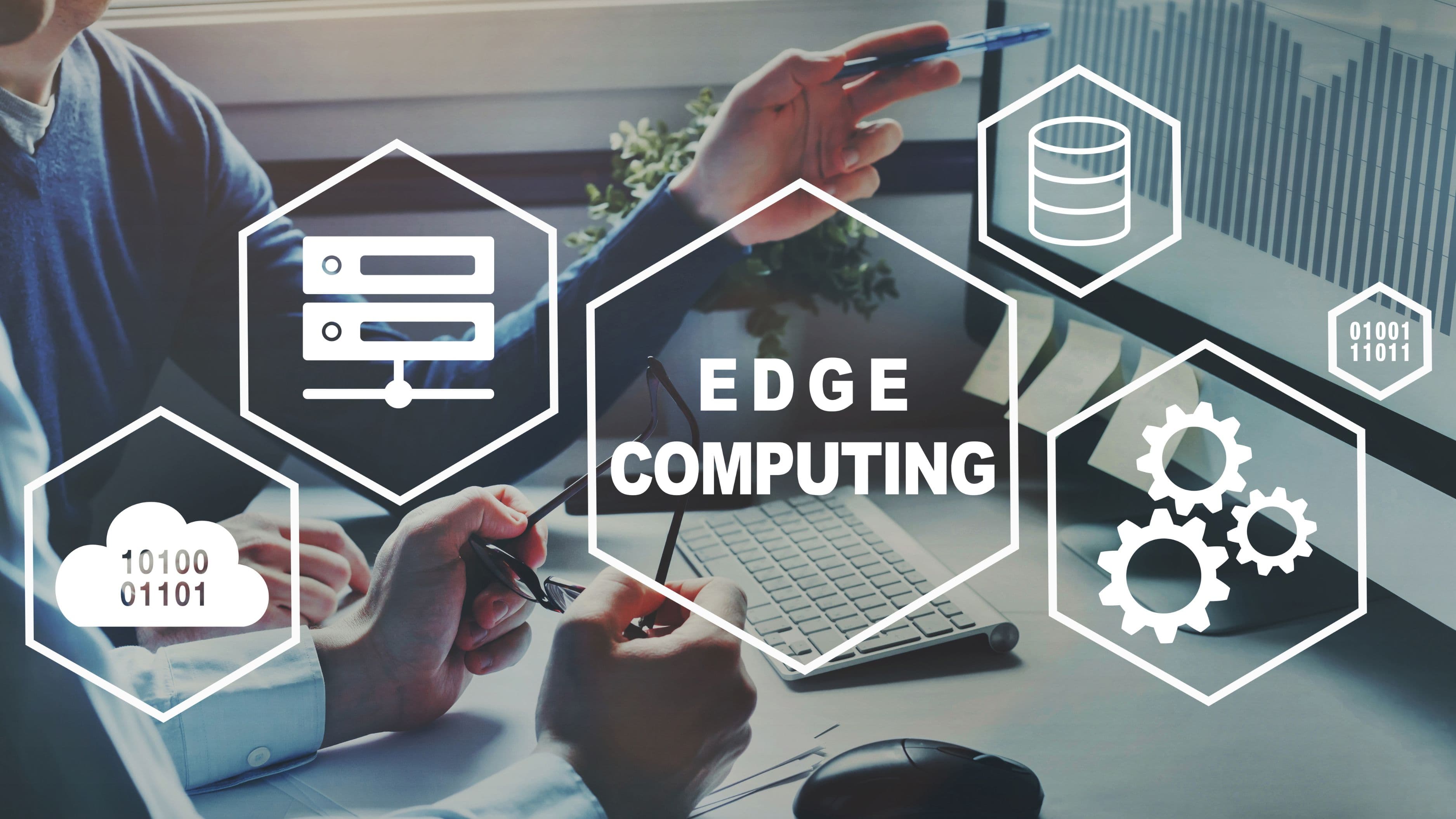
What Is Edge Computing and Why Does It Matter for Everyday Users?
You've probably heard the term "the cloud" enough times that it barely registers anymore. Everything goes to the cloud. Everything runs from the cloud. The cloud is where your photos live, where your emails get processed, where your streaming video comes from. But there's a quiet shift happening underneath all of that – a shift that's already affecting apps you use daily, and that's going to reshape the internet over the next decade.

Are We Living Through the Biggest Shift in How Work Gets Done?
Last Tuesday, I watched my neighbor Sarah host a board meeting from her kitchen while simultaneously monitoring her daughter's virtual math class and ordering groceries through an AI assistant. Her laptop displayed participants from Tokyo, São Paulo, and Stockholm—all collaborating seamlessly on a project that would have required weeks of coordination just five years ago. As I sipped my coffee and observed this orchestrated chaos, it struck me: we're not just adapting to new tools; we're witnessing the complete reimagining of work itself.

The Quirky World of Internet Services
Did you know that there's a service that will send your enemies glitter bombs, another that lets you hire someone to wait in line for you, and a third that translates your dog's barks into human language? Welcome to the wonderfully weird world of internet services, where human creativity meets digital entrepreneurship to solve problems you never knew you had—and create entirely new ones along the way.

How to Use Spreadsheets As a Lightweight Project Management System
Before you sign up for another project management app with a free trial and a pricing page you'll regret, open a blank spreadsheet. For a surprising number of projects – a website launch, a small team sprint, a freelance client pipeline, even a home renovation – a well-built sheet does the job with less setup and zero learning curve.

The Hidden Features in VS Code That Make Developers Faster
You probably open VS Code a dozen times a day, and you probably use about a tenth of what it can do. That's not a criticism – it's just how editors work. You learn enough to get your job done, and then the muscle memory sets in and you stop exploring.
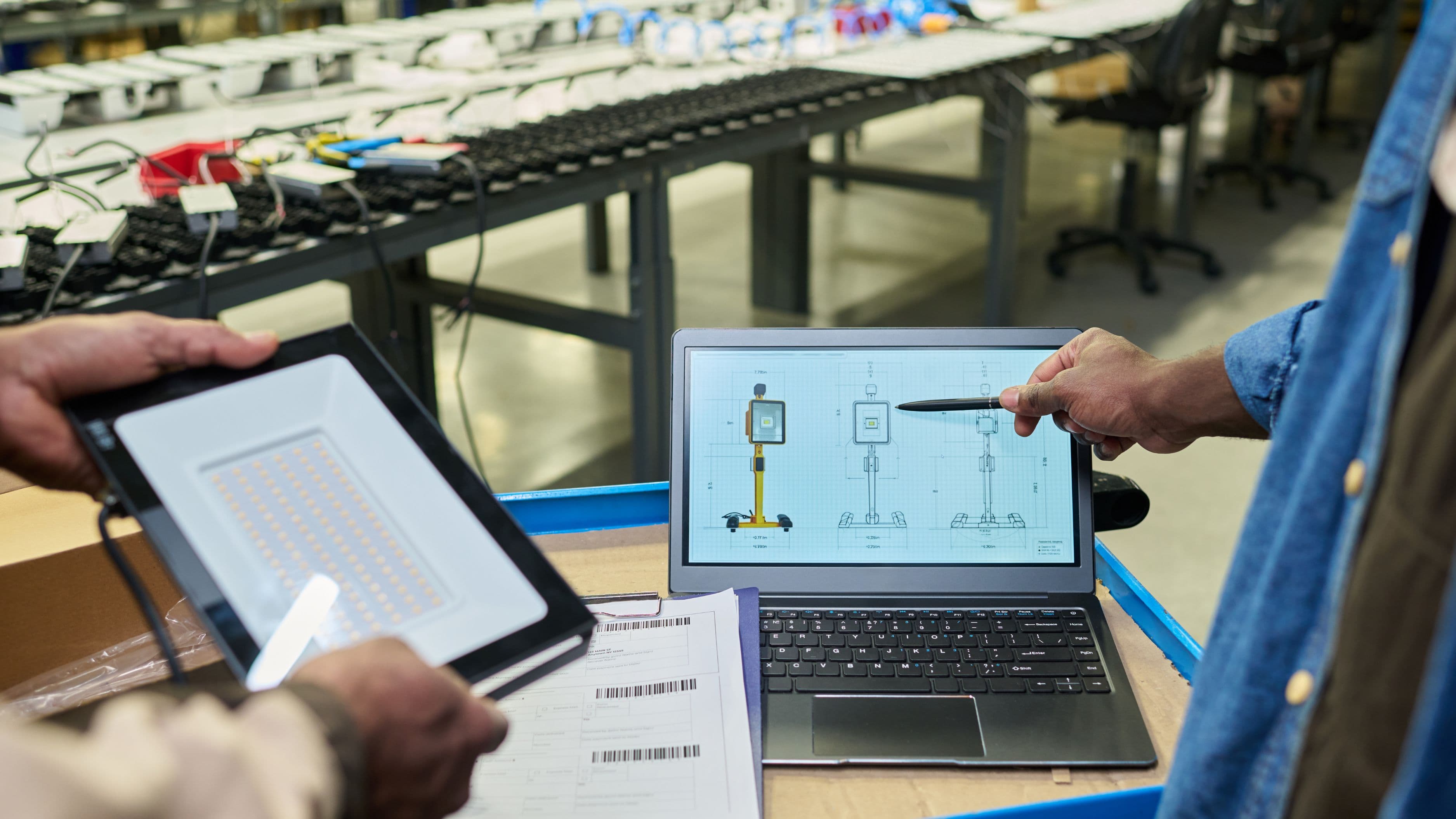
Can Ambient Computing Really Disappear Into the Background of Our Lives?
The best technology, the saying goes, is the kind you stop noticing. Your refrigerator doesn't demand your attention – it just keeps things cold. Electric lighting doesn't ask you to engage with it – it's simply there when you need it. The dream behind ambient computing is that digital intelligence eventually earns the same status: useful, present, and invisible.

Can Brain-Computer Interfaces Ever Become Consumer Products?
The idea of controlling a device with your thoughts has lived in science fiction for decades, but it's edged closer to reality in recent years, with companies actively implanting devices in human patients and demonstrating real, functional control over computers and prosthetics using nothing but neural signals. The question worth asking now isn't whether brain-computer interfaces work at all, they clearly do in controlled medical contexts, it's whether that technology could ever realistically show up as an everyday consumer product, and what would actually need to change for that to happen.

How Risc-V Is Challenging the Dominance of Intel and Arm
For decades, the chip architecture powering your devices came down to two real choices: Intel's x86 for laptops and desktops, or ARM for phones and increasingly everything else. Both are proprietary, controlled by companies that license their designs for a fee. Now a third option is gaining real traction, not because it's flashier, but because it's open. RISC-V is quietly showing up in more products every year, and understanding why matters if you want to know where computing is actually headed.

How Tech Startups Are Reinventing the Power Grid
The power grid running through your walls was mostly designed decades ago, built around a simple model: large power plants generate electricity, and it flows one direction to your home. That model is straining under demands nobody anticipated when it was built, and a wave of startups is stepping in with software-driven approaches to fix it.

How Wearable Tech Is Quietly Becoming Medical Infrastructure
A few years ago, a smartwatch buzzing to tell you your heart rate spiked felt like a novelty feature, something interesting to glance at but not something you'd actually act on. That's changed faster than most people have noticed. Wearable devices are increasingly catching atrial fibrillation, flagging sleep apnea symptoms, and prompting people to seek care for conditions they didn't know they had, sometimes before any traditional symptom appeared.

Is Open Source AI a Real Alternative to Proprietary Models?
Every few months, a new open-source model launches with claims that it's finally caught up to the big proprietary systems from OpenAI, Anthropic, or Google. Sometimes that claim holds up reasonably well on benchmarks. Sometimes it quietly falls apart the moment you try to use the model for something slightly outside its training data. The honest answer to whether open source AI is a real alternative depends heavily on what you're trying to do with it, who you are, and what tradeoffs you're willing to accept.

Is the PC Era Really Over or Just Evolving?
Every few years, someone confidently announces the death of the PC. Tablets were going to kill it. Then smartphones. Then Chromebooks. Then the cloud. And yet here we are – PC shipments rebounded sharply after a post-pandemic slump, gaming rigs are more powerful and more popular than ever, and Microsoft just spent years rebuilding Windows from the ground up for a new generation of hardware. The PC doesn't look dead. It looks different.
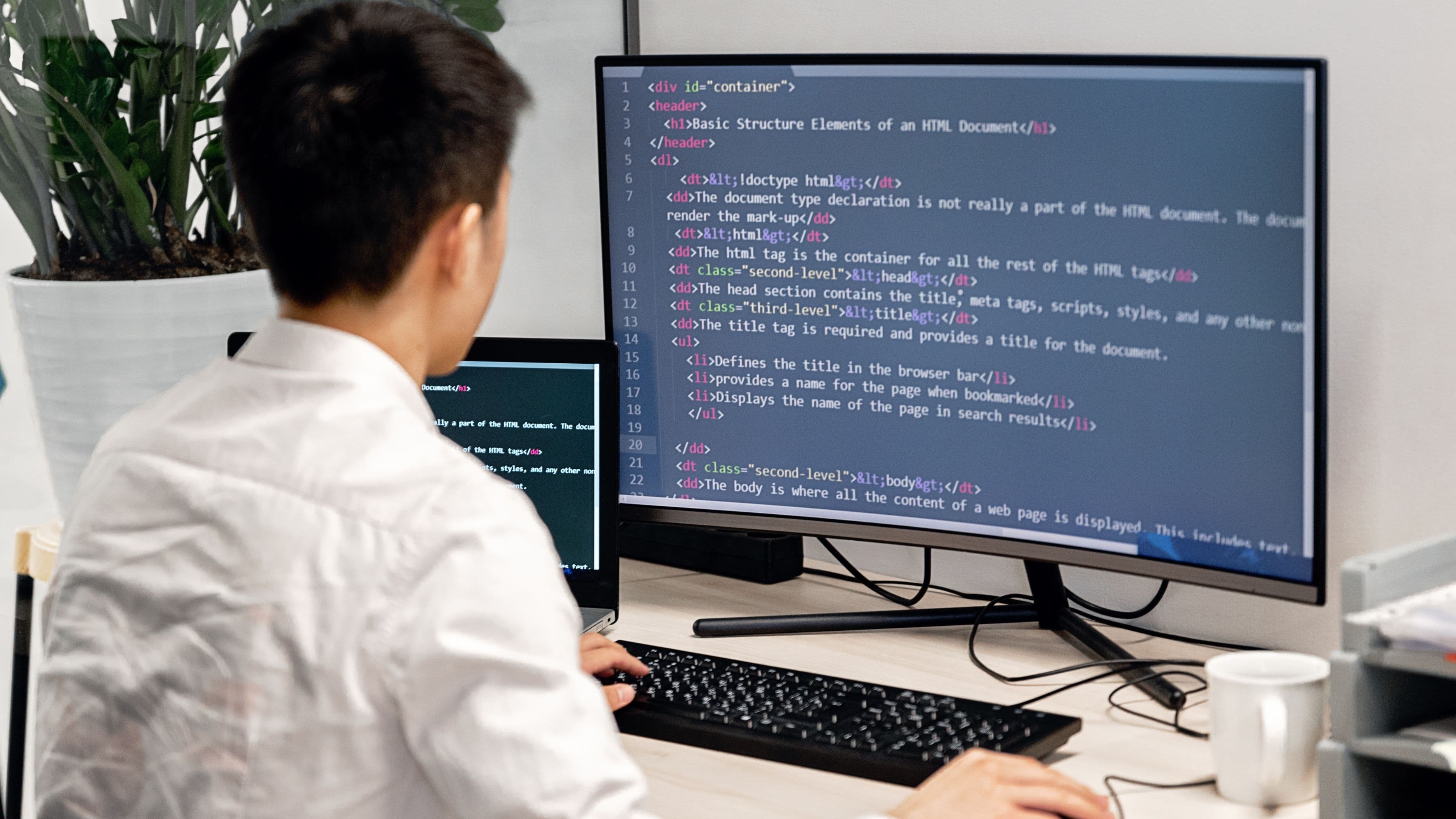
The Comeback of Local-First Software in a Cloud-Obsessed World
For the better part of the last decade, "cloud" has been shorthand for progress. Everything moved to the browser, your files lived on someone else's server, and offline mode became an afterthought if it existed at all. But a quiet counter-movement has been building among developers and privacy-conscious users, and it's worth understanding why local-first software is suddenly relevant again.
The Quiet Arms Race Behind AI Data Centers
Every time you ask a chatbot a question or generate an image in a few seconds, there's a physical building somewhere doing serious work to make that happen. Behind the sleek apps and instant responses sits one of the biggest infrastructure buildouts in recent tech history, and most people never think about it because it's designed to be invisible. That invisibility is exactly why it's worth understanding, because the companies racing to build these data centers are shaping decisions about energy, land, and computing power that will affect far more than just AI.
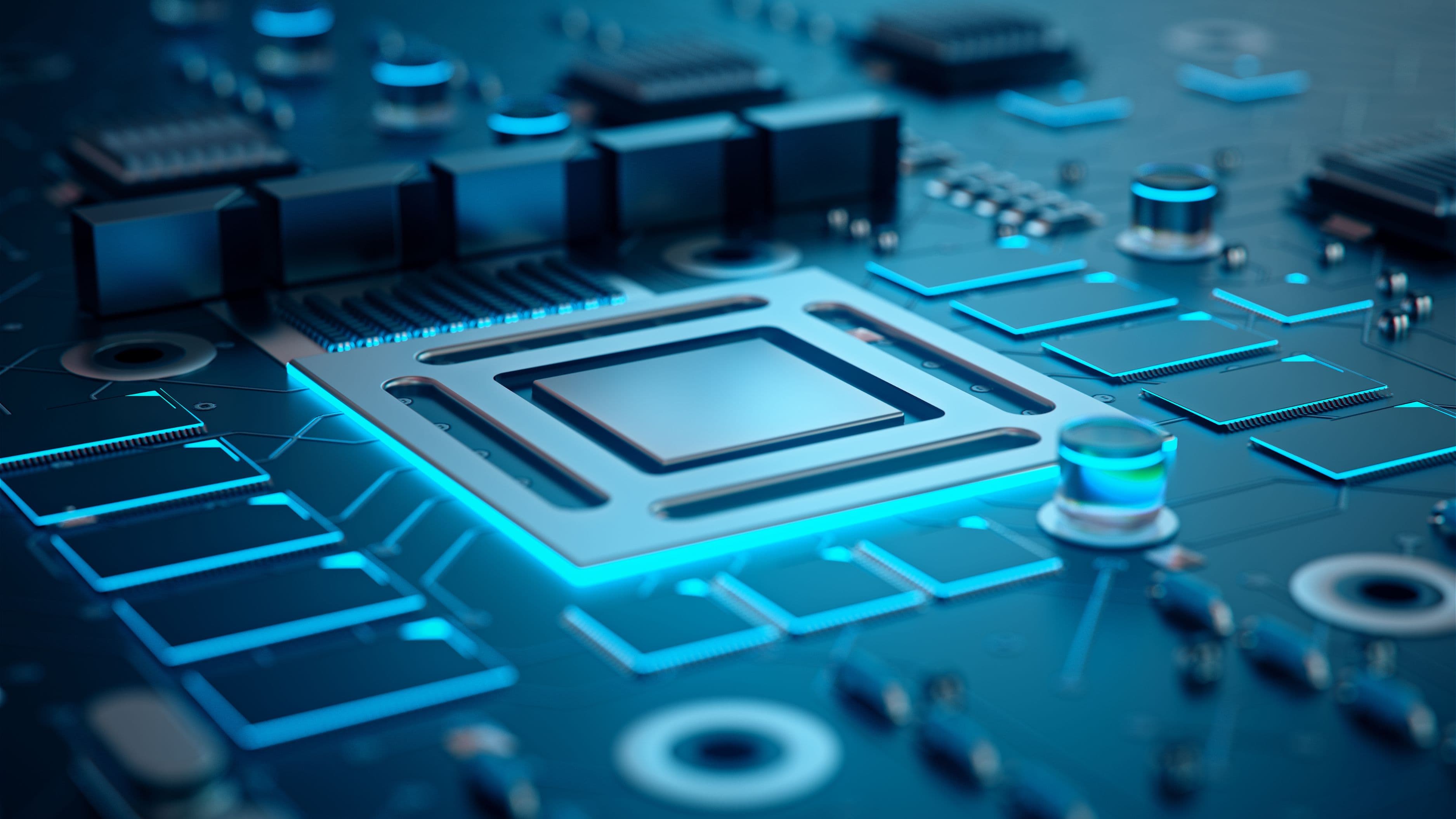
What Are Neuromorphic Chips and How Will They Change AI Hardware?
The chips powering most of today's AI are remarkably powerful – and remarkably wasteful. Training a single large AI model can consume as much electricity as driving a car hundreds of thousands of miles. Running that model continuously afterward isn't cheap either. A growing number of researchers and engineers think the real solution isn't just more efficient software – it's rethinking the hardware from the ground up. That's where neuromorphic chips come in.

What Happened to the Metaverse and Where Did It Go?
A few years ago, the metaverse was everywhere. Mark Zuckerberg rebranded a trillion-dollar company around it. Microsoft was buying gaming studios to build it. Brands were dropping millions to stake out virtual real estate. Tech conferences were full of slides with the word on them. And then, almost as quickly as it arrived, the conversation just... stopped. So what actually happened? Was it all hype, did it quietly succeed somewhere, or is it just waiting for better hardware? The answer is a bit of all three.

What Is Bio-Inspired Computing and Can It Outperform Silicon?
Your brain runs on roughly 20 watts of power – about the same as a dim light bulb. Meanwhile, some of the most powerful computing systems on the planet consume megawatts of electricity to do tasks that your neurons handle effortlessly: recognizing a face, understanding context in a conversation, navigating an unfamiliar room. That gap between biological efficiency and silicon performance is one of the most intriguing puzzles in modern computing, and a whole field of research has grown up around it. It's called bio-inspired computing, and it might represent one of the most significant shifts in how we think about machines since the transistor.
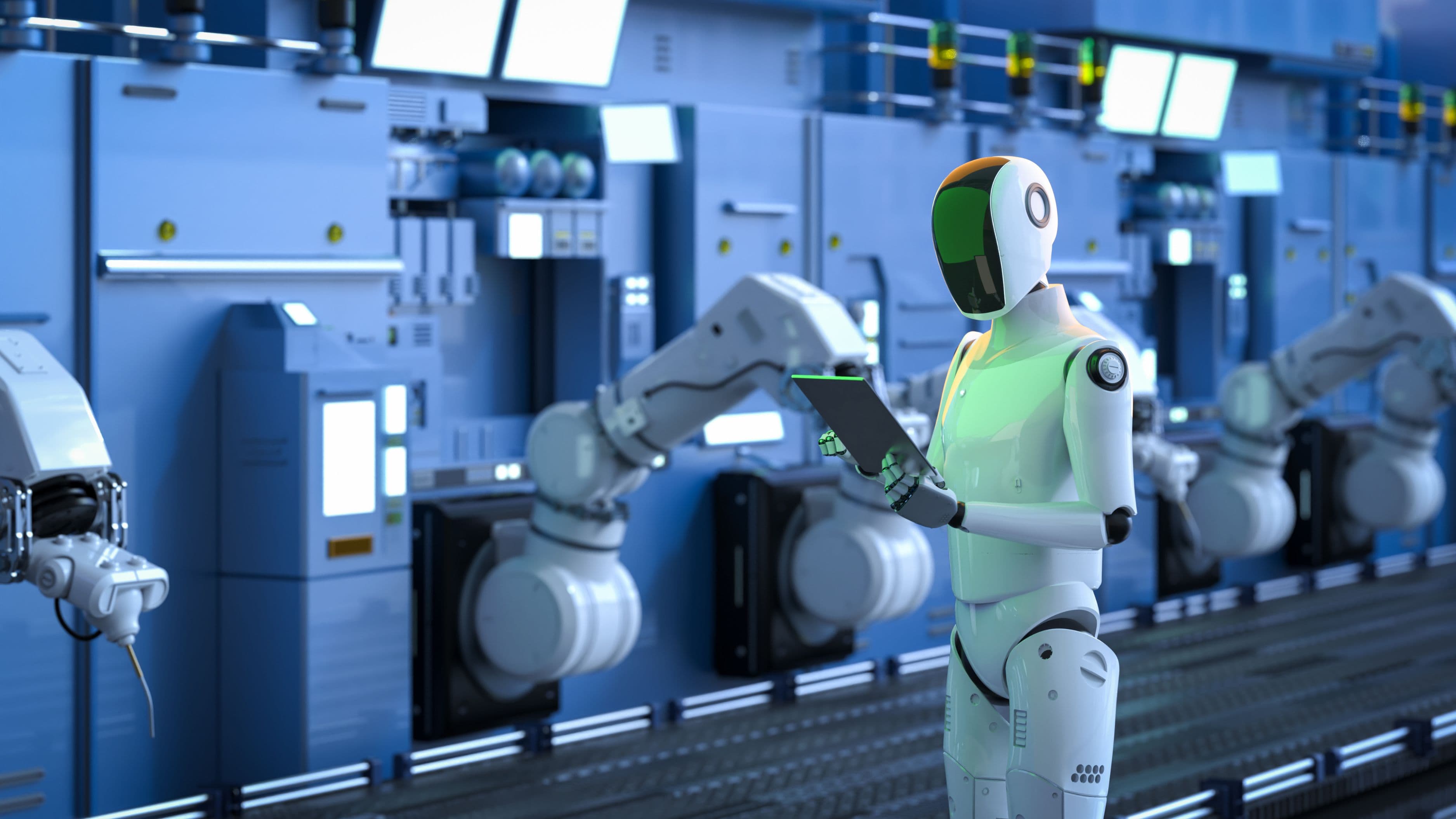
What Is Humanoid Robotics and How Close Are We to Practical Robots?
For decades, humanoid robots lived almost exclusively in science fiction – C-3PO nervously translating alien languages, the Terminator absorbing gunfire without flinching, Westworld's hosts blurring the line between person and machine. Then something shifted. In the last few years, robots that walk, balance, carry objects, and navigate real environments have moved from research labs into warehouses, construction sites, and even living rooms. The question has quietly changed from "will humanoid robots ever exist?" to "how soon will they actually be useful?"

What Is On-Device AI and Why Does It Matter for Privacy?
For years, the deal with smart features was simple and largely unspoken: you get the convenience, your data takes a trip to the cloud. Want your phone to recognize your face? That gets processed on a server somewhere. Ask a voice assistant something? Same deal. The trade-off felt invisible because it mostly was – the latency was low, the features worked, and most people didn't think too hard about what was happening in between.

What Is Photonic Computing and Why Is It Getting Serious Attention?
Every chip in your phone, laptop, and the massive data centers training AI models right now runs on electrons moving through silicon. That's been true for basically the entire history of modern computing. Photonic computing flips that premise by using light instead of electricity to move and process information, and it's gone from a niche research topic to something major chipmakers and AI companies are pouring serious money into. If you've seen headlines about "light-based chips" or companies promising to make AI dramatically more energy efficient, this is almost always what they're talking about.
What Is a Large Action Model and How Is It Different From a Chatbot?
You've probably noticed that the AI conversation has shifted lately. A year or two ago, everyone was talking about chatbots – tools that could answer questions, write emails, summarize documents, and hold surprisingly coherent conversations. That was genuinely impressive. But there's a new term showing up more frequently now: Large Action Model, or LAM. And understanding the difference between the two tells you a lot about where this technology is actually headed.

What Is the Carbon Cost of Modern Tech Infrastructure?
Every search, every streamed show, every AI-generated image runs through a physical network of data centers, servers, and cooling systems that consume real electricity and, in many cases, real water. It's easy to think of the internet as something weightless, existing purely in "the cloud." It isn't. The cloud is buildings full of hardware, and understanding the actual environmental footprint behind your digital life is more relevant now than it's ever been, especially as AI computing scales up dramatically.

What Is the Post-Quantum Internet and Why Are Researchers Preparing for It?
Every time you check your bank balance, send an encrypted message, or just load a website over HTTPS, math is quietly protecting that connection. Specifically, math problems that are so hard to solve with current computers that breaking the encryption would take longer than the universe has existed. The post-quantum internet is the industry's answer to a genuinely strange problem: a computer capable of solving those problems quickly doesn't fully exist yet, but researchers are rebuilding the internet's security infrastructure for it anyway, years ahead of time.

What Is the Spatial Web and How Will It Change How We Browse?
Right now, the internet lives on screens. You open a browser, click around a flat surface of text and images, and navigate between pages that exist in two dimensions. It's so familiar that it barely registers as a design choice – but it is one, and it's not the only way the web could work.

What Makes a Smart City Actually Smart?
The phrase "smart city" gets thrown around in tech circles and government press releases like it means something obvious. It doesn't. Depending on who's using it, a smart city could mean anything from traffic lights that respond to congestion, to a surveillance network that tracks every resident's movement, to a city that's just installed a few electric scooter docks near downtown. The gap between the marketing language and the reality is enormous — and worth understanding.
Why Are Satellite Phones Making a Comeback?
Satellite phones used to belong to a very specific category of person: the war correspondent filing from a conflict zone, the Antarctic expedition leader, the offshore oil rig worker. Bulky, expensive, and deeply niche, they were solutions for situations most people would never find themselves in. Then smartphones arrived, cellular networks expanded, and satellite phones faded further into obscurity.

Why Are Software Companies Building Physical Hardware Now?
If you've noticed more software companies suddenly announcing earbuds, wearables, or mysterious AI gadgets, you're not imagining a trend. Companies that spent years insisting they were "platforms, not products" are now designing physical devices, and it's happening across the industry at once. This isn't a random coincidence – it's a fairly logical response to a few pressures that have been building for years.
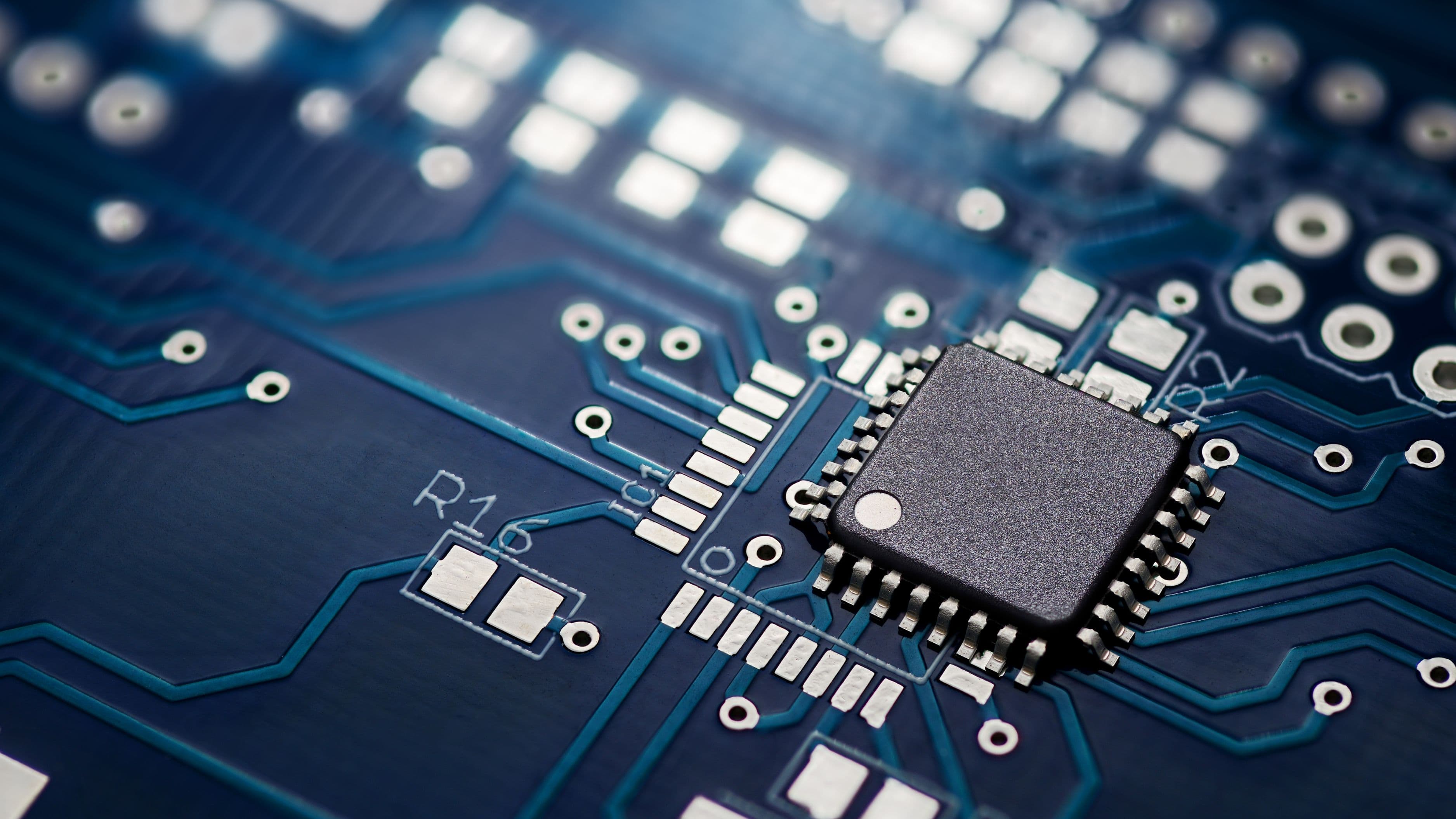
Why Are Tech Companies Racing to Build Their Own Chips?
For most of computing history, there was a clean division of labor: companies like Intel and AMD made the chips, and everyone else built products that ran on them. That arrangement worked well enough for decades. Then, one by one, the biggest names in tech started quietly building their own silicon – and now it's looking less like a trend and more like a full-scale shift in how the industry works.

Why Are Tech Giants Quietly Investing in Nuclear Energy?
There's a pattern worth paying attention to if you follow what major tech companies are doing with their money. Over the past two years, Google, Microsoft, Amazon, and Meta have all made significant moves into nuclear energy – not through press releases designed to generate headlines, but through long-term power purchase agreements, direct investments in nuclear startups, and partnerships with energy companies developing reactor technology that didn't exist a decade ago. For companies that built their reputations on software, this is a striking pivot.

Why Is Starlink Disrupting Traditional Internet Providers?
For most of the internet's existence, your options for home broadband were determined by geography and whoever happened to bury cables near your house. If a big telecom decided your neighborhood wasn't worth the investment, you got DSL from the 2000s or a mobile hotspot with a data cap that ran out before the month did. That was simply how it worked — until a rocket company started launching internet infrastructure into low Earth orbit and decided to sell subscriptions directly to consumers.
Why Is the Us Restricting Chip Exports and What Does It Mean for Tech?
At first glance, a rule about which semiconductors American companies can sell to which countries sounds like the kind of dry policy story that lives exclusively in trade journals. But the US chip export restrictions that have been expanding since 2022 are anything but dry – they're reshaping the global technology industry, accelerating a geopolitical competition over computing power, and forcing every major player in tech to rethink supply chains, partnerships, and long-term strategy. If you want to understand why the biggest story in tech right now isn't a product launch or a software update but a set of government export rules, here's what's actually happening.

Why Is the World Running Out of Semiconductor Chips Again?
It wasn't that long ago that we lived through a global chip shortage that delayed car deliveries by months, made gaming consoles impossible to find, and taught a lot of people what a semiconductor actually was. That crisis peaked around 2021–2022 and slowly unwound as supply chains recovered. So why are analysts, manufacturers, and governments starting to sound the alarm again? The short answer is that the chip shortage never really went away – it just moved. And the new version of it is more structurally complex, more geopolitically charged, and harder to solve than the last one.
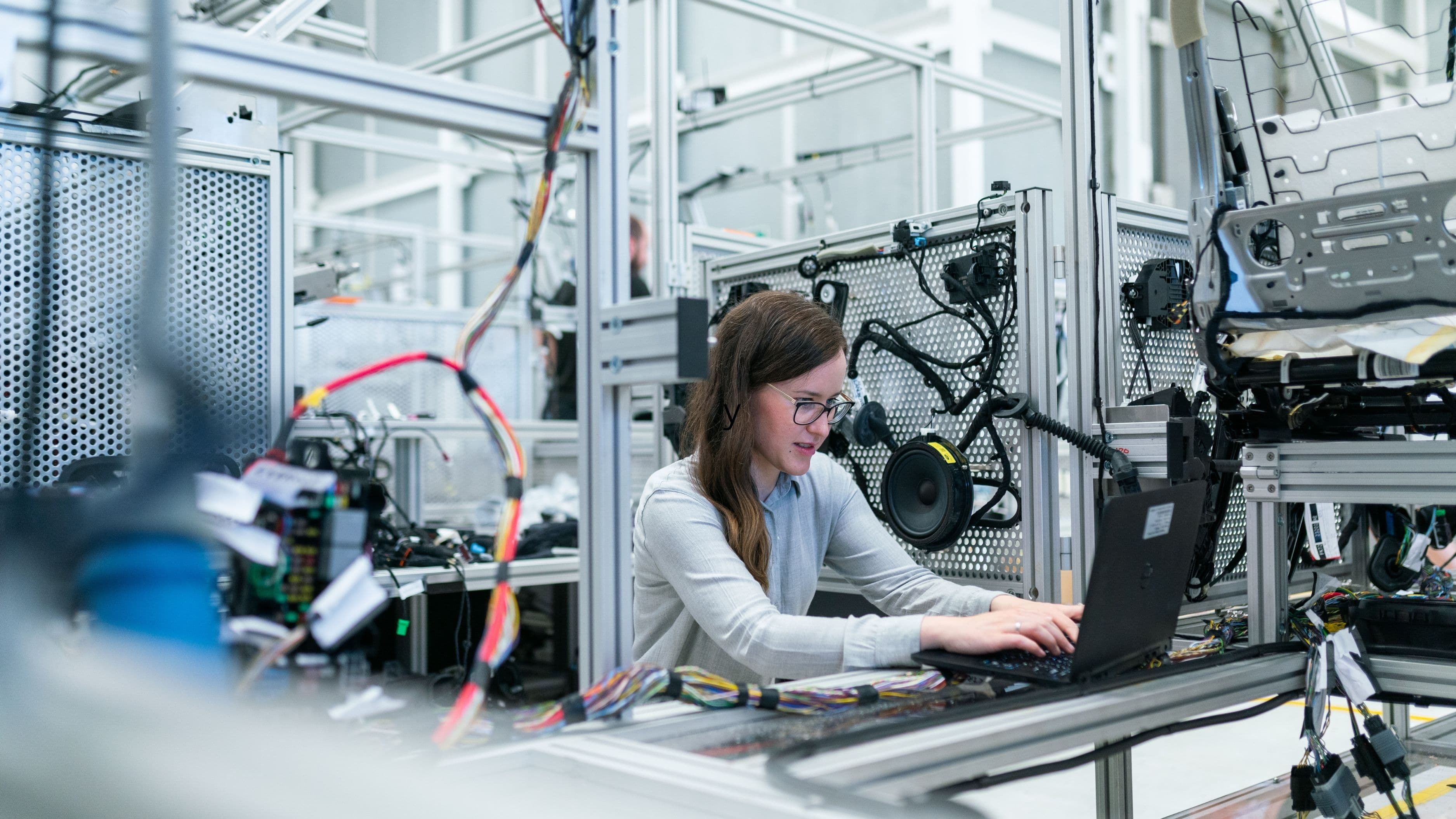
Why Software Is Eating Manufacturing Next
You've probably heard the phrase "software is eating the world" applied to media, retail, and transportation. Manufacturing seemed like the industry too physical, too hardware-bound, to follow the same path. That assumption is quietly falling apart.
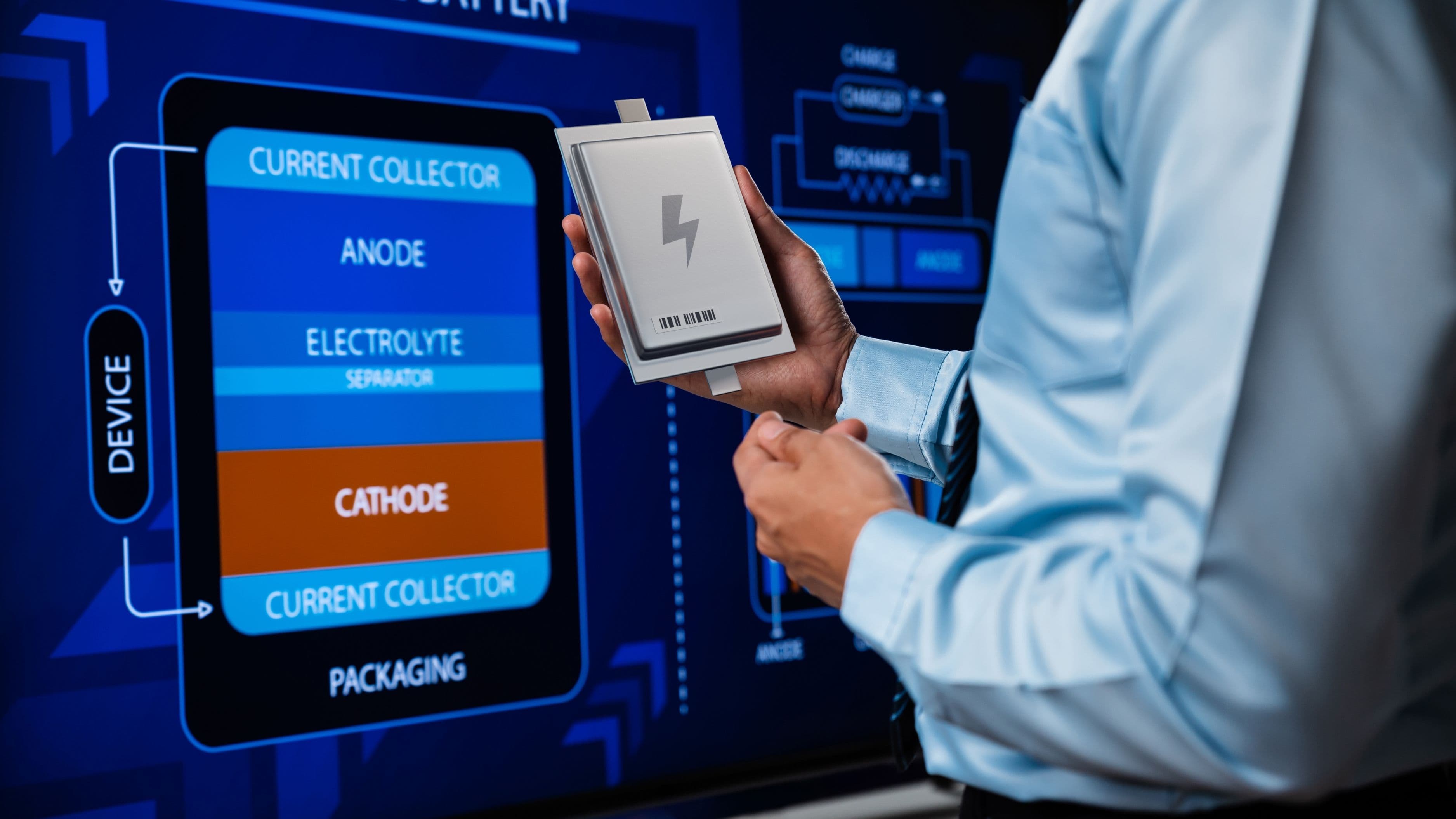
Why Solid-State Batteries Are the Next Big Tech Battleground
Every major EV maker, half the consumer electronics industry, and a growing list of well-funded startups are racing toward the same goal right now: a battery that charges faster, lasts longer, and doesn't carry the fire risk of the lithium-ion cells currently powering nearly everything with a rechargeable battery. That technology is called solid-state, and the competition to commercialize it first has become one of the most closely watched battles in tech.
Explore other categories
Same editorial standard, different decisions.

AI Coding Tools
Agent comparisons, MCP setups, local models, and the workflows that actually ship.
Browse AI Coding Tools
Artificial Intelligence
Browse Artificial Intelligence
Error Fixes
Exact root causes and permanent fixes for the bugs that stop your ship.
Browse Error Fixes
Internet Culture
Browse Internet Culture
Privacy & Security
Browse Privacy & Security
Tools & Career
Developer tooling, security patterns, and career moves that compound.
Browse Tools & Career