Internet Culture

Are We Really Getting Smarter About Where We Spend Our Money?
If your spending habits were a Netflix series, would it be a thoughtful documentary or a reality show train wreck? Most of us like to think we're the financial equivalent of Marie Kondo—making deliberate choices that spark joy in our bank accounts. But the truth is, even in our hyper-connected, information-rich world, we're still making some pretty questionable money moves. The real question isn't whether we have access to better financial tools and information (spoiler: we absolutely do), but whether we're actually using them to become genuinely smarter spenders.

Is Fomo Actually Changing How We Plan Our Lives?
Did you know that 69% of millennials experience FOMO regularly, and it's fundamentally rewiring how an entire generation approaches major life decisions? What once seemed like a harmless social media phenomenon has quietly evolved into a powerful force reshaping everything from career choices to relationship timelines.

Is Personal Identity Really Just a Collection of Brand Choices?
Your morning routine tells a story before you say a word. The Apple logo glowing on your laptop, Nike swooshes on your feet, that carefully curated Spotify playlist humming in your AirPods. Each choice whispers something about who you are—or who you think you should be. But when did brands become the building blocks of our identity, and what does this mean for authentic self-expression in our hyper-connected world?
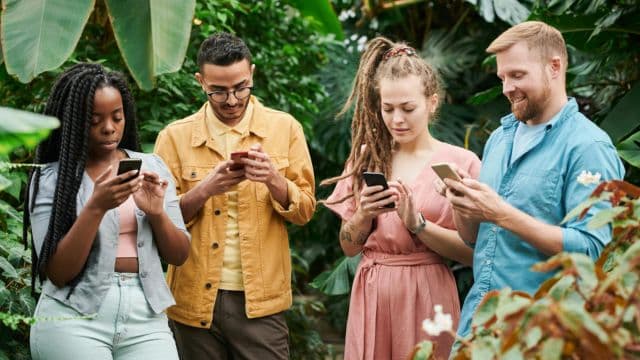
Is Technology Really Making Us More Connected or Just More Distracted?
Did you know that despite having instant access to 4.7 billion people worldwide through our devices, reports of loneliness among young adults have reached record highs? This paradox sits at the heart of our digital age—we're simultaneously more networked and more isolated than any generation before us. The question isn't whether technology connects us; it's whether those connections actually matter.

What's Really Behind the Rise of the Ultimate Deal-Hunter?
Did you know that 73% of Americans now use at least three different apps just to compare prices before making a purchase? Welcome to the age of the ultimate deal-hunter, where finding the best price has evolved from clipping Sunday coupons to wielding sophisticated digital arsenals that would make Wall Street traders jealous.
How the Comment Section Became a Cultural Battleground
Scroll past almost any viral post and you'll find a second story happening underneath it. The video is about a recipe, but the replies are about politics, class, parenting, and whether the creator deserves to exist. Somewhere along the way, the comment section stopped being a footnote and became the main event.
Why the Hottest New Social Platform Is Always Disappointing by Year Two
You remember the week everyone joined. Your group chat was full of invite codes, your feed felt weirdly friendly, and for a few glorious days the app seemed like the internet you'd been promised back when you were fifteen. Then, somewhere around the second birthday, you open it out of habit, scroll for forty seconds, and close it feeling vaguely let down.

How AI Is Starting to Flood the Internet with Hollow Content
You've probably noticed it without being able to name it right away. A blog post that answers your question but somehow feels empty. A product review that reads smoothly but tells you nothing you couldn't have guessed. A YouTube video with a human-sounding voice narrating oddly generic advice over stock footage. That feeling has a name now, and it's becoming one of the defining tensions of the current internet: AI-generated content is scaling faster than anyone's ability to filter it, and a meaningful share of it is hollow by design.
How Niche Content Is Winning the Attention War Against Mass Media
There was a time when getting noticed online meant appealing to the widest possible audience. Broad topics, safe takes, mass appeal, that was the playbook. Today, some of the most engaged, loyal audiences online belong to creators covering hyper-specific topics, competitive birdwatching, vintage synthesizer repair, obscure historical footnotes, and they're often outperforming much larger, broader media outlets in the metrics that actually matter.
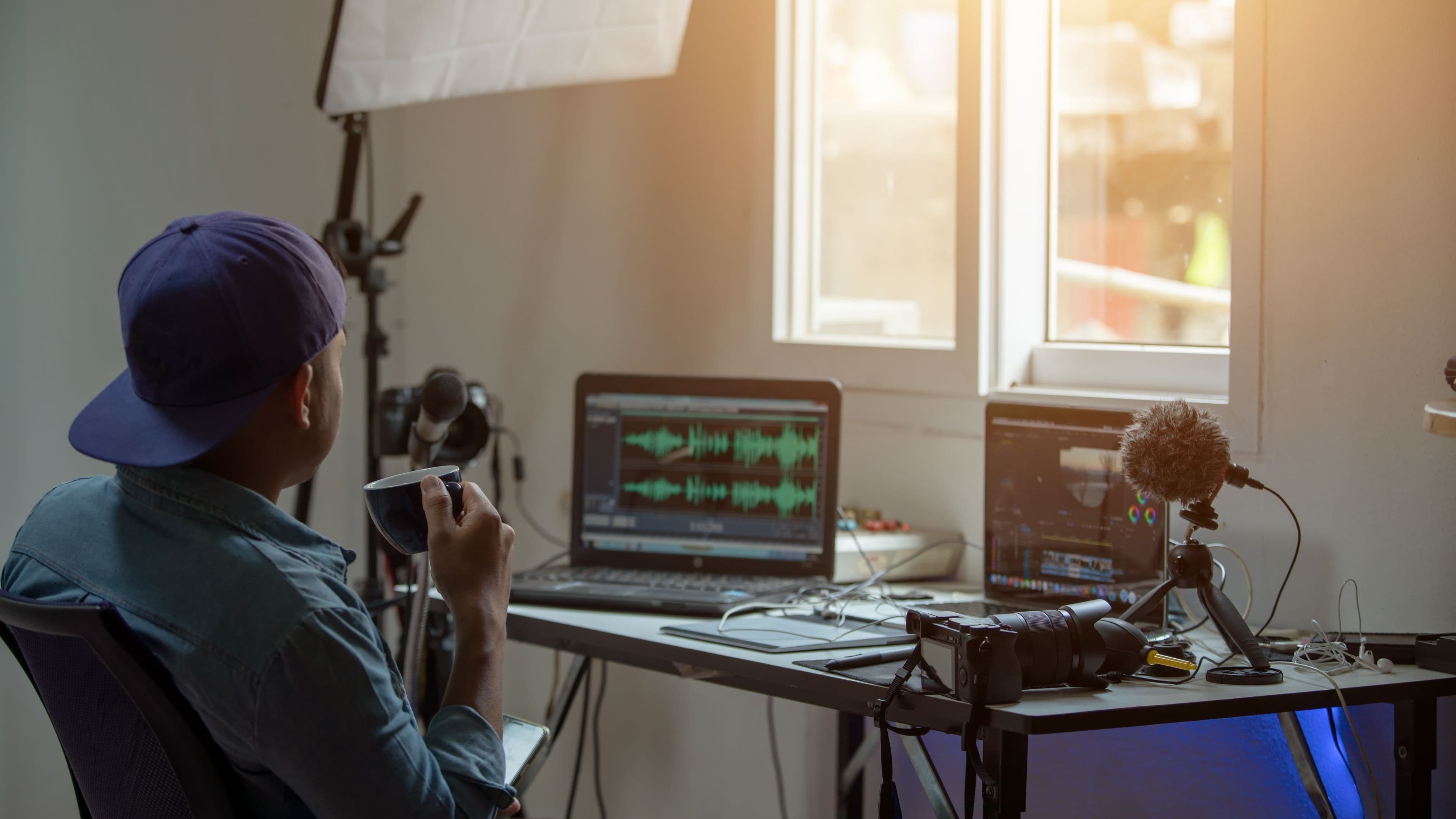
How the Rise of the Faceless Creator Changed Online Fame
For most of the last decade, online fame followed a predictable formula: show your face, build a personal brand, and let your identity become part of the product. That formula is quietly breaking down. Some of the biggest accounts on YouTube, TikTok, and Instagram now belong to creators whose faces you've never seen, and whose real names most followers couldn't tell you. Understanding why this shift happened says a lot about how platforms, algorithms, and audience expectations have evolved.
Is Reddit Still the Front Page of the Internet?
Reddit once wore its tagline – "the front page of the internet" – with genuine credibility. In the mid-2010s, if something was happening online, it was probably on Reddit first. Breaking news, viral threads, niche communities, longform public confessions, product boycotts, and meme formats that would go on to dominate the rest of the web all radiated outward from the platform. It was messy, sometimes toxic, often brilliant, and undeniably central to how the internet talked to itself.

The Rise of AI Personas and What It Means for Digital Trust
You've probably talked to one without realizing it. A customer support chat that felt a little too fluent, a social media account with a consistent "personality" that posts daily, a virtual influencer with millions of followers who has never actually existed in physical form. AI personas, synthetic identities built to interact with people as if they were a specific character or individual, have quietly become part of the everyday internet, and they're reshaping what "trust" even means online.

What Is Digital Minimalism and Is It Actually Achievable?
Every few months, someone in your social circle announces they're deleting their apps, going offline for a week, or doing a "digital detox." Sometimes they come back transformed. More often, they're back to doomscrolling by Thursday. The concept sounds appealing – less noise, more presence, a phone that doesn't feel like a second nervous system – but the execution tends to fall apart pretty fast.

What Is Doom Scrolling and How Do You Actually Stop It?
It's 12:40 AM. You opened your phone to check one notification 45 minutes ago, and now you're nine layers deep into bad news, angry threads, and videos of disasters in places you couldn't find on a map. You feel worse than when you started. You keep scrolling anyway.

What Is Livestream Commerce and Why Is It Exploding in Asia?
Imagine watching a live video where a host is trying on clothes, answering questions in real time, and offering a flash discount that disappears in ten minutes if you don't buy right now. That's livestream commerce, and in countries like China, it's not a niche trend anymore, it's a massive slice of how people shop online. Understanding why it's taken off there, and whether it's coming for the rest of the world, tells you a lot about where online retail is heading.
What Is Platform Decay and Why Does Every Social Network Seem to Decline?
If you've been online long enough, you've felt it without necessarily having a name for it. The platform you loved starts to feel different. The feed fills with strangers. Ads multiply. Recommended content crowds out the people you actually followed. The thing that made it good – the community, the serendipity, the sense that you were somewhere real – quietly erodes until one day you realize you're still logging in out of habit, not because you actually want to be there.
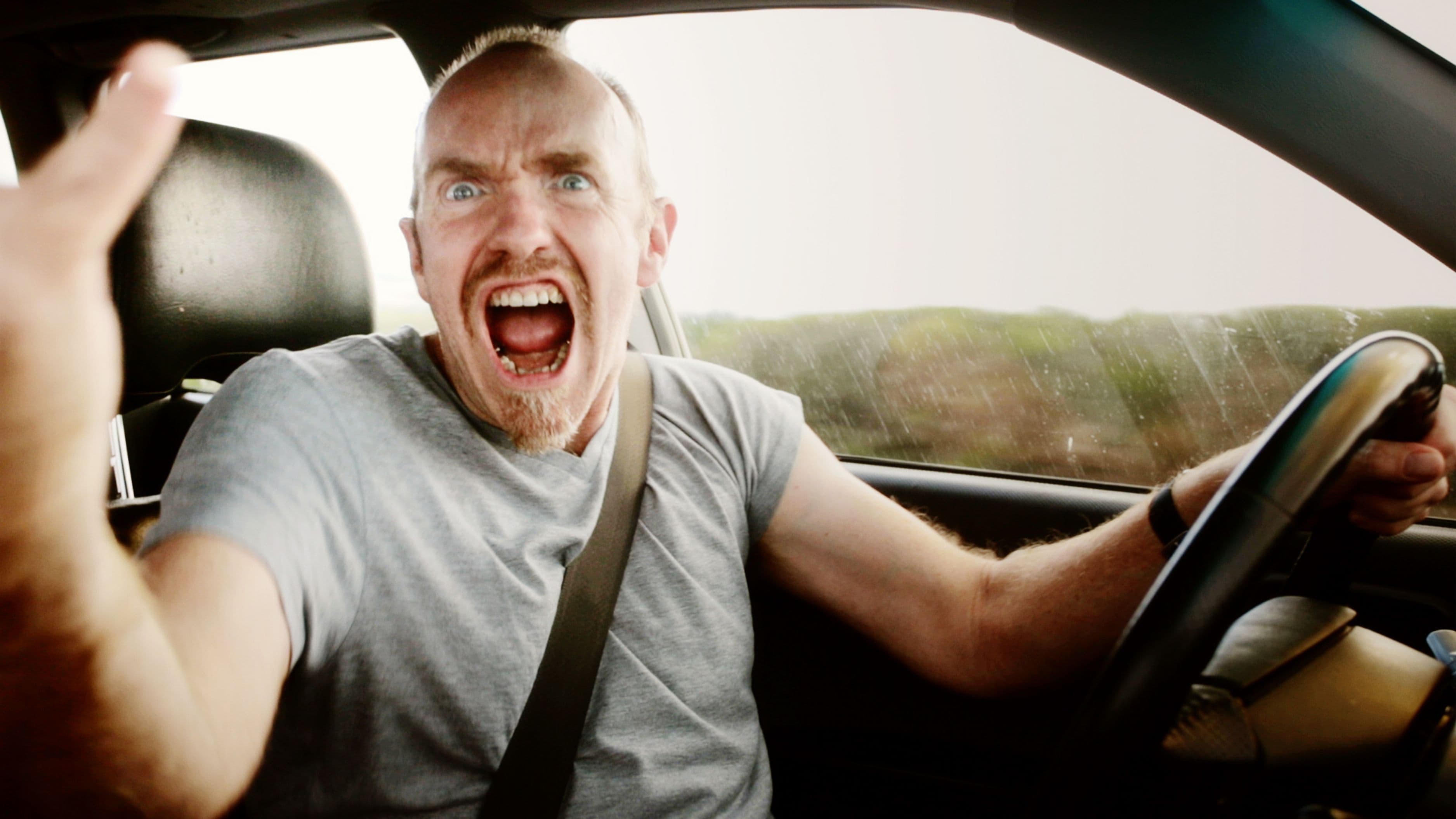
What Is Rage-Bait Content and Why Do Platforms Keep Promoting It?
You've scrolled past it a hundred times without necessarily naming it: a video with a wildly overconfident opinion, a caption engineered to make you type an angry reply, a post that seems almost designed to be wrong. That's rage-bait, and it's become one of the most quietly dominant content strategies across social media, not because platforms are secretly rooting for everyone to be upset, but because outrage happens to be extremely good for engagement metrics.

What Is a Parasocial Relationship and Why Do We Form Them with Strangers Online?
You know that feeling when a YouTuber you watch every week announces they're taking a break, and you feel genuinely bummed out? Or when a podcaster you've listened to for years says something that disappoints you and it stings in a way that's hard to explain to someone who doesn't listen to them? That's a parasocial relationship – and it's more normal, more widespread, and more psychologically interesting than most people realise.

What Is the Attention Economy and How Did It Rewire Our Habits?
You open your phone to check one thing and come up for air twenty minutes later, unsure of what you just looked at. You sit down to read something and reach for your phone before you've finished the first paragraph. You watch a video, then another, then another, and the original reason you opened the app has completely evaporated. None of that is an accident. It's the attention economy at work – and once you understand what it is, you start seeing it everywhere.
What Is the Chronological Feed and Why Are Users Demanding It Back?
There's a specific kind of frustration that comes from opening an app expecting to see your friend's post from ten minutes ago, only to find it buried under content from three days ago that the algorithm decided you needed to see instead. That frustration has a name attached to what people actually want back: the chronological feed. Understanding why it disappeared, and why the demand for it keeps resurfacing, explains a lot about how these platforms actually make their money.

What Is the Dark Forest Theory of the Internet?
If you've spent time online in the last few years, you may have noticed something quietly shifting. Conversations that used to happen in public – on Twitter threads, Facebook groups, open forums – are migrating somewhere harder to find. Private Discord servers. Niche Substacks. Group chats. Invite-only communities. People aren't leaving the internet. They're retreating deeper into it, away from the searchable, indexable, algorithm-governed surface web.
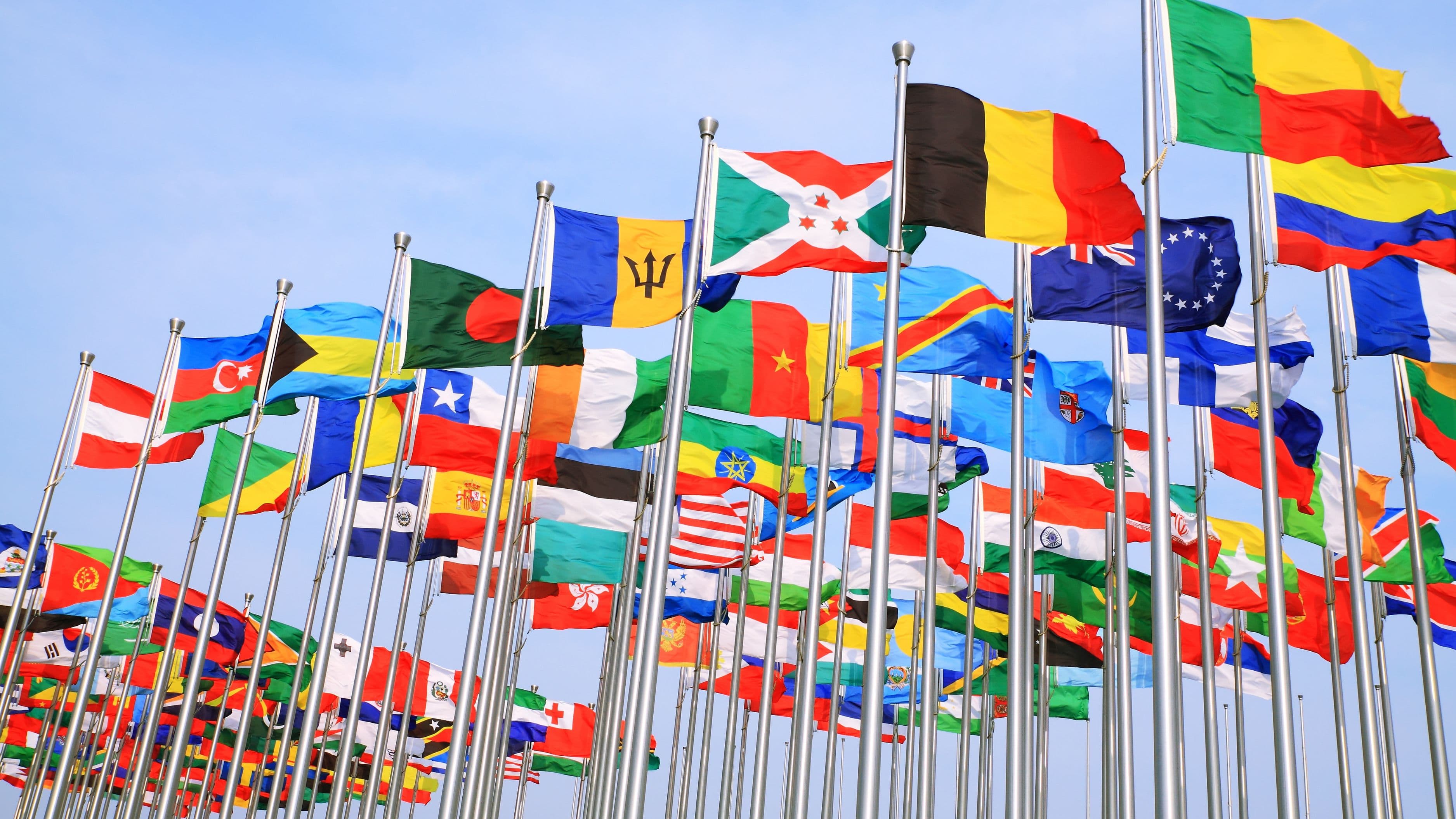
What Is the Digital Divide and Why Does It Still Exist in Rich Countries?
When people think about the digital divide, they usually picture it as a developing-world problem – rural villages without internet access, regions where smartphones are a luxury. That framing isn't wrong, but it's incomplete. The digital divide exists inside wealthy countries too, and in ways that are quietly shaping who gets access to economic opportunity, healthcare, education, and civic participation. In the United States, the UK, Germany, and Australia, millions of people are effectively cut off from systems that have moved online and never looked back.

What Makes Something Go Viral and Is There Actually a Formula?
Every few weeks, something completely unexpected takes over the internet. A photo of a dress that half the world sees as blue and black and the other half sees as white and gold. A 17-second video of a guy eating corn on a drill. A sound clip from a children's cartoon that somehow becomes the soundtrack to a thousand unrelated videos. None of these feel predictable. None of them were engineered by a marketing team with a viral strategy deck. They just happened – and then they were everywhere.

Why Are Anonymous Accounts Often More Influential Than Verified Ones?
Scroll through any platform long enough and you'll notice something that doesn't quite match the old rules of the internet: some of the most influential accounts out there have no real name, no face, and no verification badge attached. Meanwhile, plenty of verified public figures with millions of followers post into relative silence. That's not a fluke. It's a shift in how trust and influence actually work online now.

Why Are Creators Leaving Youtube for Other Platforms?
YouTube built the creator economy. For over a decade, it was the only serious answer to the question of where you go if you want to make a living from online video. Then something shifted. Not all at once – more like a slow leak that became impossible to ignore. Creators who built their audiences on YouTube are increasingly treating it as just one platform among many, or in some cases, walking away from it almost entirely.

Why Are Gen Z Rejecting Social Media While Still Using It Constantly?
Gen Z is the first generation that grew up entirely inside social media – and they're also the generation most vocally done with it. They post about wanting to quit. They make content about how exhausting content creation is. They share reels about screen time being out of control, then open Instagram again thirty seconds later. It sounds contradictory. It's actually one of the more coherent things happening in digital culture right now.

Why Are Internet Celebrities Burning Out Faster Than Ever?
Scroll through any platform right now and you'll notice something that wasn't nearly as common five years ago: creators announcing breaks, stepping back "for their mental health," or quietly disappearing after years of consistent uploads. This isn't a coincidence or a handful of isolated cases. The structure of internet fame itself has shifted in ways that make burnout not just possible, but almost built into the job.

Why Are People Nostalgic for the Early Internet?
There's a particular kind of longing that hits people who were online in the late 1990s or early 2000s. It shows up when someone finds an old screenshot of their AIM buddy list, or stumbles across a GeoCities archive, or hears the dial-up connection sound and feels something they can't quite name. It's nostalgia, sure – but it's also something more specific than that. It's mourning a version of the internet that felt fundamentally different from the one we have now.
Why Discord Quietly Became the Internet's New Town Square
Somewhere in the last few years, without a big rebrand or a viral marketing push, Discord stopped being just a place to chat while gaming and turned into something much bigger. It's now where communities form around book clubs, crypto projects, university classes, fan bases, small businesses, and friend groups that never touch a game controller. It happened quietly, but it happened almost everywhere.
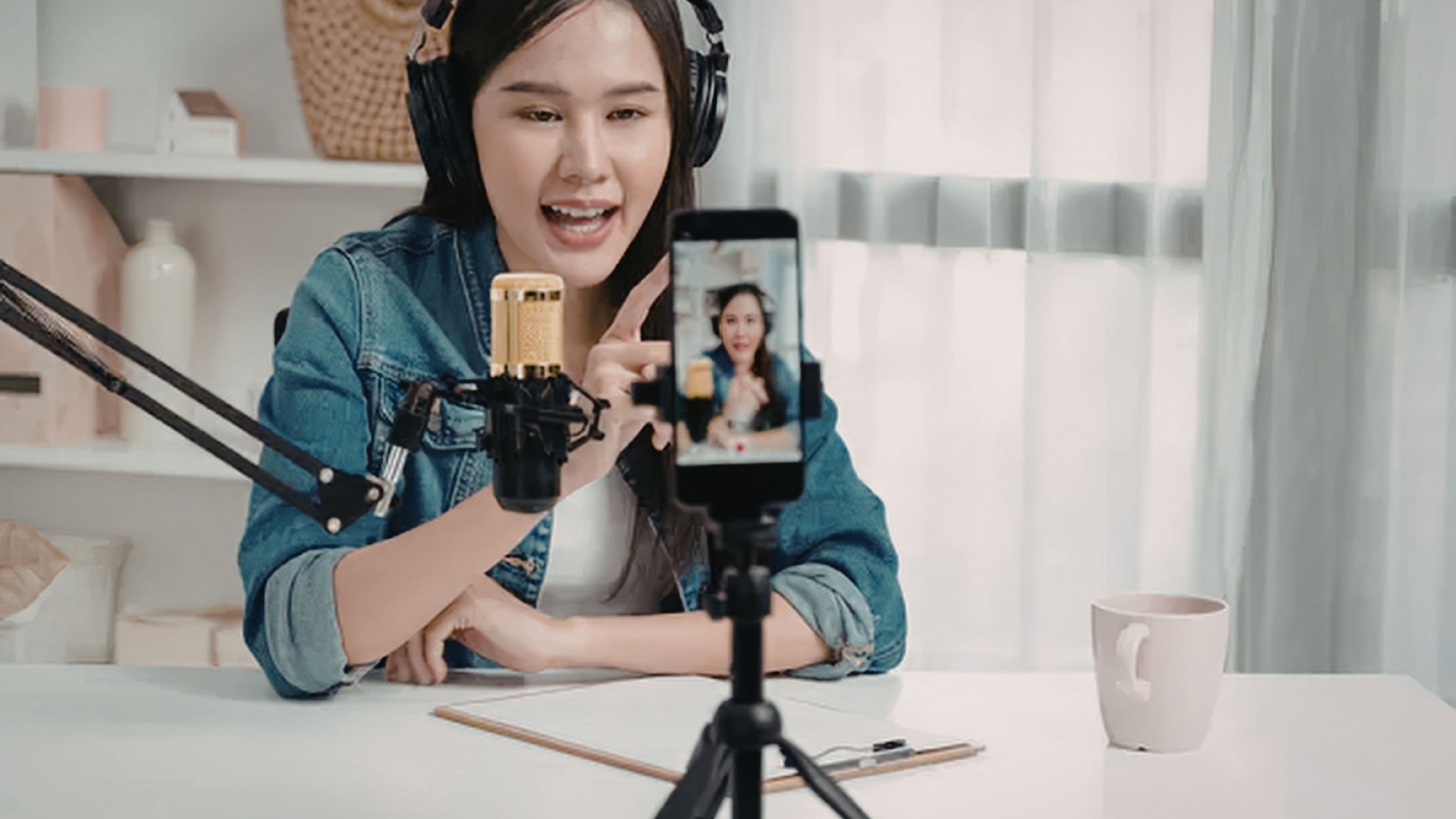
Why Do Internet Trends Die So Much Faster Than They Used To?
Remember when "What Does the Fox Say?" was inescapable for what felt like an entire season? Or when the Ice Bucket Challenge ran for weeks before the internet collectively moved on? Those felt like long trends at the time. By today's standards, they were practically ancient civilizations. In 2024, a sound can dominate TikTok on Monday and feel dated by Thursday. An audio clip that defined a whole month in 2021 is now something you'd only post ironically. The cycle has compressed so dramatically that "trend fatigue" has become its own cultural shorthand – and it's not your imagination.

Why Do Memes Travel Faster Than News Online?
A major news story breaks and takes hours to reach most people. The same event spawns a meme, and within twenty minutes it's already been remixed six times and is trending on three platforms simultaneously. If you've ever noticed that you saw the joke before you saw the headline, you're not imagining it. Memes genuinely spread faster than news, and the reasons why reveal a lot about how the internet actually moves information – and what that means for all of us.
Why Is Linkedin Becoming the Weirdest Social Network Online?
If your LinkedIn feed lately feels less like a professional network and more like a fever dream of humble-brags, AI-generated inspiration posts, and stories that read suspiciously like they never happened, you're not imagining it. What started as a place to post your resume and connect with recruiters has quietly morphed into one of the strangest corners of the internet, and there's a reason it happened.

Why Is Long-Form Content Making a Comeback in a Short-Form World?
Here's a stat that shouldn't make sense: in the same era when TikTok trained everyone to swipe past anything longer than eight seconds, three-hour podcasts became mainstream entertainment, YouTube video essays routinely run longer than feature films, and people pay monthly subscriptions to read 4,000-word newsletters. The attention span obituary got published a little early.
Why Is Substack Growing While Traditional Media Keeps Shrinking?
Newspapers are laying off journalists. Magazine brands that survived a century are shutting down or going fully digital with skeleton crews. Cable news viewership keeps sliding. And yet, in the middle of all that, a simple newsletter platform is adding millions of paid subscribers and turning individual writers into six-figure earners. That contrast is worth examining closely – because it's not a coincidence, and it's not just a media trend. It says something real about how trust, attention, and money are moving on the internet right now.
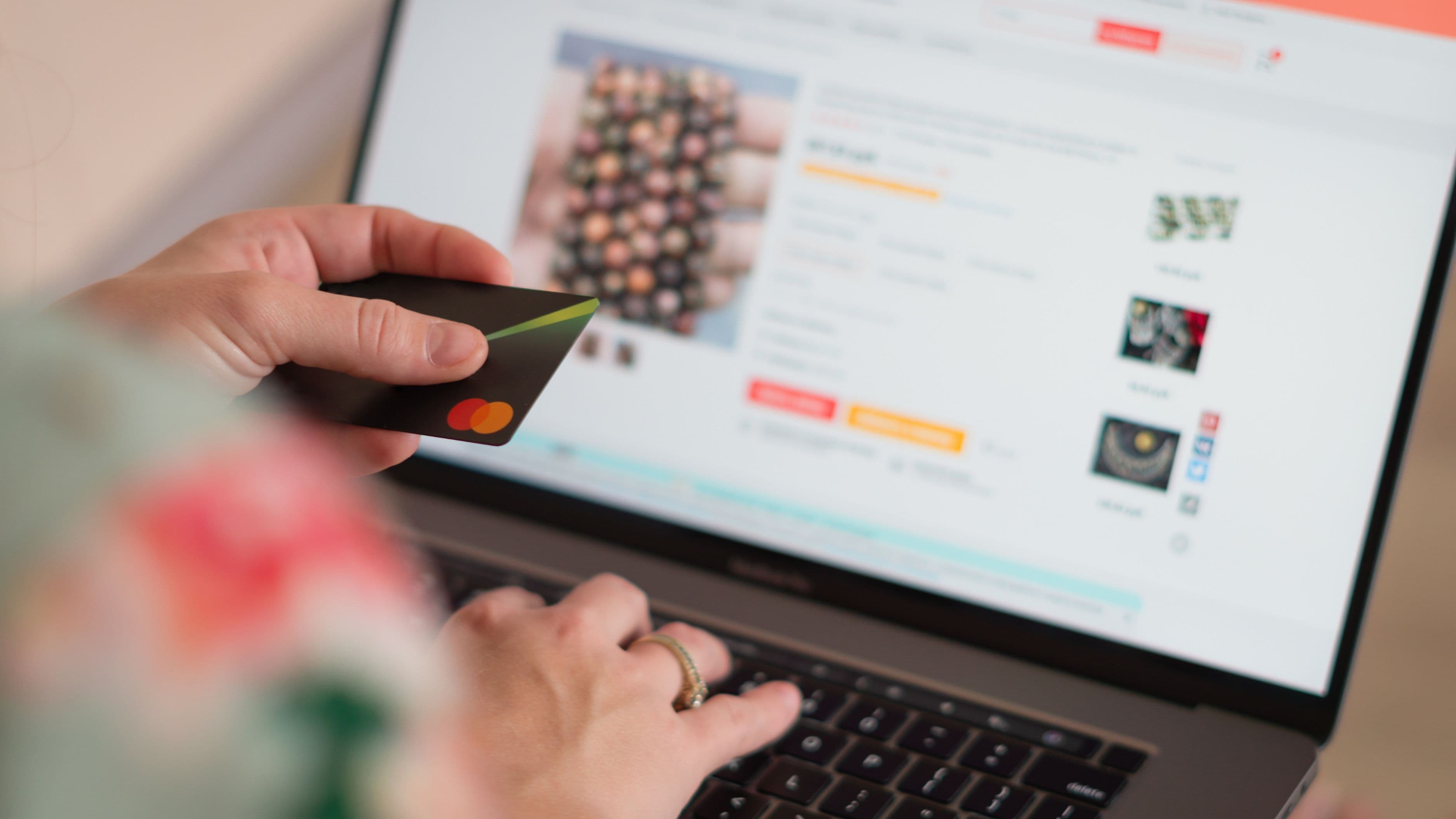
Why Is Tiktok Shop Changing What E-Commerce Looks Like?
A few years ago, buying something you saw in a short video meant screenshotting it, googling the product name, and hoping you landed on the right listing somewhere on Amazon. Now you can watch a fifteen-second video, tap once, and have the item in a cart before the clip even finishes looping. That shift is exactly what TikTok Shop has been building toward, and it's quietly rewriting a lot of assumptions about how people discover and buy things online.
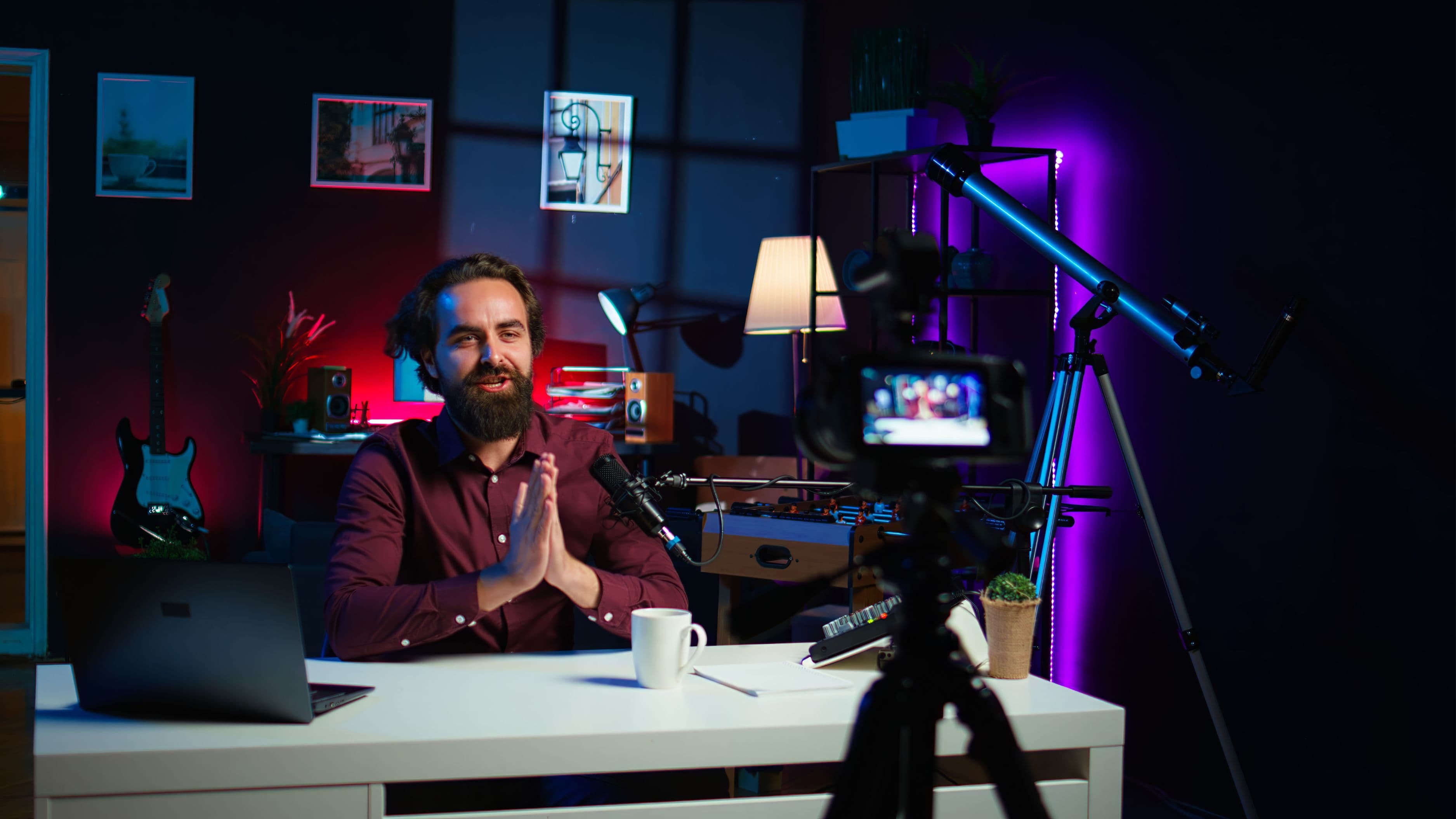
Why Is Twitch Struggling to Hold Onto Its Biggest Creators?
If you've followed streaming for more than a year or two, you've probably noticed a pattern: a huge Twitch name announces a "new chapter," and a few weeks later they're streaming somewhere else entirely. It's not just one or two isolated departures anymore – it's become a recurring headline, and it says something bigger about where the platform stands.
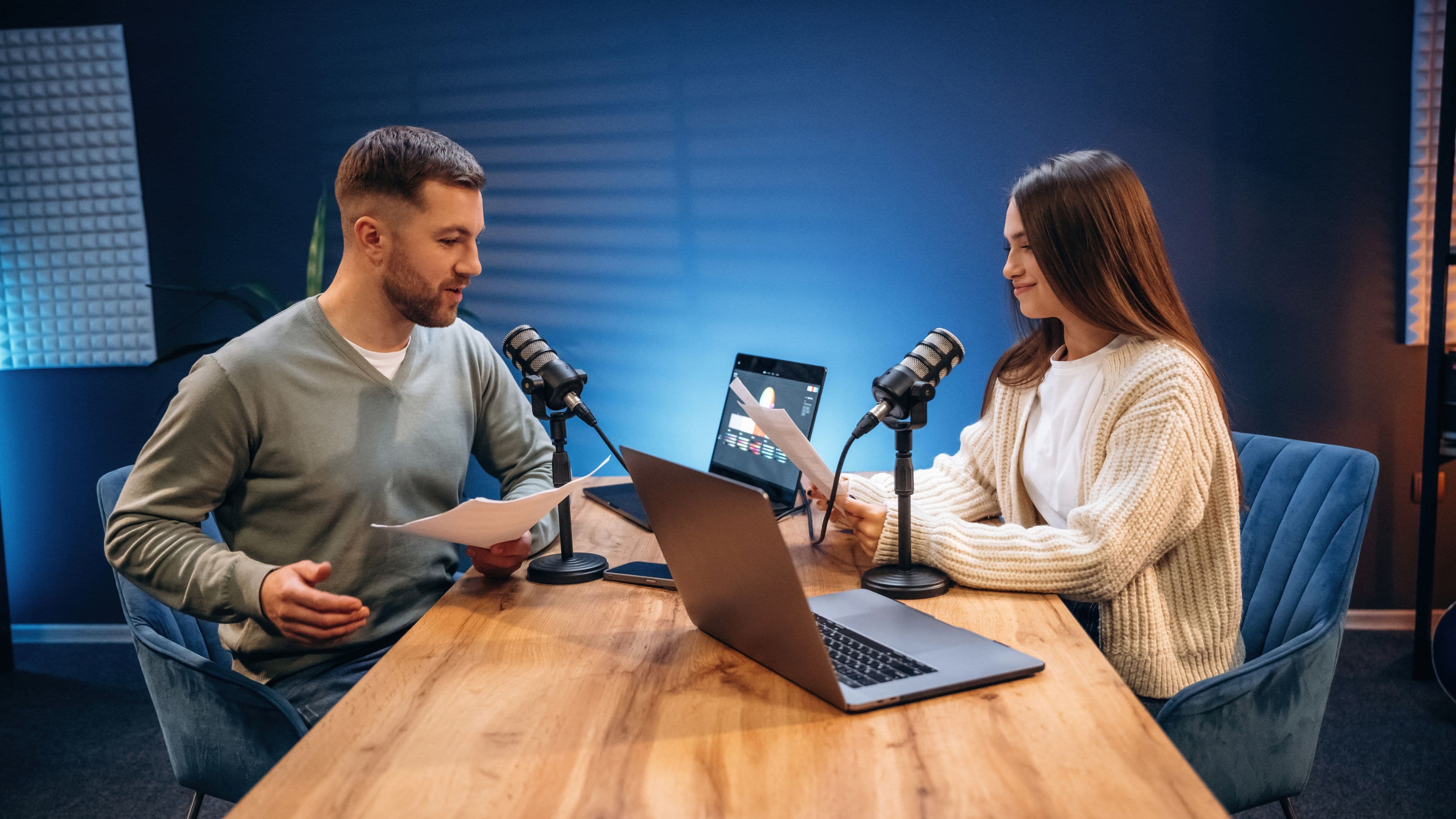
Why Podcast Culture Is Splitting Into Two Very Different Worlds
Podcasts used to feel like a single, unified medium, a niche corner of the internet where a handful of shows dominated the charts and everyone was roughly listening to the same handful of conversations. That era is over. Podcast culture has quietly split into two distinct ecosystems that increasingly don't overlap, and understanding that divide explains a lot about where the medium is actually headed.
Why Short-Form Video Is Struggling with a Quality Problem
Short-form video won the attention war. TikTok, Reels, and YouTube Shorts now account for a massive share of daily content consumption, and the format has reshaped how platforms design their entire user experience. But there's a growing tension underneath that success: as the format has scaled, a lot of creators, researchers, and even platform executives have started openly acknowledging that the average quality of short-form content is declining, even as total volume and watch time keep climbing.
Why the Algorithm Is Replacing the Homepage
Think about the last time you actually typed a website's URL into your browser and landed on its homepage. For a lot of people, that habit has quietly disappeared. Instead, content finds you, through a feed, a recommendation, a "for you" page, curated by an algorithm that knows your habits better than any editor ever could.
Explore other categories
Same editorial standard, different decisions.

AI Coding Tools
Agent comparisons, MCP setups, local models, and the workflows that actually ship.
Browse AI Coding Tools
Artificial Intelligence
Browse Artificial Intelligence
Error Fixes
Exact root causes and permanent fixes for the bugs that stop your ship.
Browse Error Fixes
Privacy & Security
Browse Privacy & Security
Tech & Innovation
Browse Tech & Innovation
Tools & Career
Developer tooling, security patterns, and career moves that compound.
Browse Tools & Career