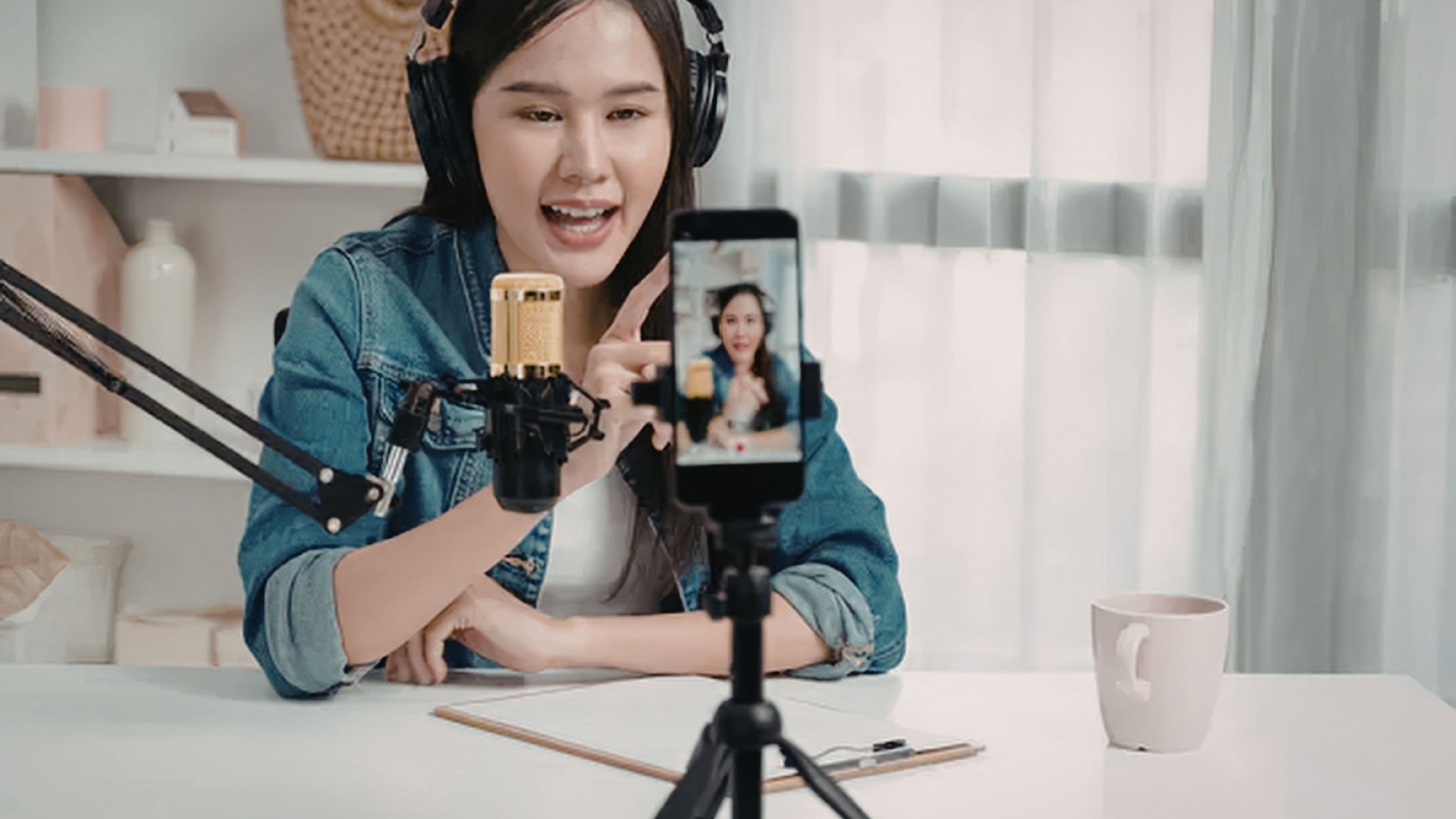

This isn't just restlessness or chasing trends. There are structural, financial, and psychological reasons why the platform that invented the modern creator career is no longer the automatic first choice – and understanding them tells you something important about where the internet is heading.
What's Actually Happening
The migration isn't uniform, and it's worth being precise about what's actually going on. Most major creators aren't deleting their YouTube channels. What's happening instead is a gradual reweighting – more energy going to Substack, Patreon, Twitch, TikTok, or podcast platforms, and less to YouTube as the primary creative and business home. Some creators are explicitly announcing the shift; others are just quietly posting less and building more aggressively elsewhere.
A smaller but notable number have made clean breaks. Tech commentator Linus Sebastian of Linus Tech Tips temporarily pulled LTT's content from YouTube in 2023 as part of a broader dispute over platform policies, a move that would have been almost unthinkable five years earlier. MrBeast – YouTube's most-subscribed individual creator – has been public about his concerns over the platform's revenue model and its sustainability for creators at scale. When the biggest names on a platform start voicing frustration, it usually reflects something a lot of smaller creators have been feeling for longer.
The Money Problem
YouTube's Partner Program has been around since 2007, and for a long time, it was the dominant way creators monetised their work. Ad revenue sharing at a roughly 55/45 split (creators getting 55%) sounds reasonable on paper. In practice, the amount of money generated per thousand views has become increasingly volatile and, for many niches, disappointing.
CPM – cost per mille, the amount advertisers pay per thousand ad impressions – fluctuates significantly based on content category, viewer demographics, and the broader advertising market. News, finance, and tech content commands higher CPMs. Gaming, comedy, and general entertainment often doesn't. A gaming channel with 500,000 subscribers might earn a fraction of what a personal finance channel with the same audience makes, through no fault of its own. And when the ad market contracts – as it did sharply in 2022 and into 2023 – YouTube ad revenue can drop 30–40% almost overnight with zero notice to the creators who depend on it.
The contrast with platforms like Patreon and Substack is stark. On those platforms, revenue comes directly from audience subscriptions rather than advertiser demand. A creator with 10,000 paying subscribers at $5/month earns $50,000 monthly regardless of what's happening in the programmatic advertising market. That predictability is worth an enormous amount, and more creators are recognising it.
The Algorithm Problem
YouTube's recommendation algorithm is simultaneously the most powerful audience-building tool ever created and one of the most frustrating forces any creator has to work around. It can take a channel from obscurity to millions of views in weeks. It can also quietly stop recommending a channel's content with no explanation, causing view counts to collapse with no apparent fix.
The opacity is the real issue. YouTube has never fully explained how its algorithm makes decisions, and the factors that drive distribution – watch time, click-through rate, engagement signals, posting consistency – interact in ways that aren't fully transparent or predictable. Creators have spent years optimising their content for the algorithm's apparent preferences, often at the cost of making the content they actually want to make. The feedback loop this creates isn't healthy: you get creators chasing thumbnail formulas, manipulating titles for clicks, and structuring videos around algorithmic signals rather than genuine creative decisions.
On platforms like Twitch, Discord communities, or email newsletters, there's no algorithmic middleman. A creator's relationship with their audience is direct. If you send an email to your Substack subscribers, all of them get it. On YouTube, posting a video to your million subscribers might result in 50,000 views if the algorithm decides not to push it. The difference in control is meaningful.
The Policy and Demonetisation Problem
YouTube's content policies are enforced at scale, which means they are enforced imperfectly. Creators working in politically sensitive topics, health and wellness, gaming (particularly games with violence), comedy, and dozens of other categories have experienced demonetisation – having ads removed from their videos, and therefore losing revenue – on content that doesn't obviously violate any stated policy.
The appeals process is slow, the explanations are vague, and the outcomes are inconsistent. A creator can build years of work around a content format only to find that a policy change – sometimes with minimal notice – fundamentally alters the economics of their channel. LGBTQ+ creators documented widespread demonetisation of content that simply included relevant terminology. Political commentators across the spectrum have had videos age-restricted or removed without clear rationale. The consistent thread isn't ideology – it's the experience of having no reliable recourse when the platform acts against you.
This creates a precarious relationship between creators and the platform that owns their distribution. When your income depends on an algorithm and a policy enforcement system you don't control and can't effectively appeal, that's a fragile business model. Moving to platforms with clearer policies, or building direct audience relationships that don't depend on any single platform's goodwill, becomes not just appealing but rational.
Where Creators Are Actually Going
Different creator types are gravitating toward different alternatives, and the destination depends on what kind of relationship with an audience they're trying to build.
Substack and newsletters have become the go-to for creators whose value is in ideas, writing, and conversation. Journalists, podcasters, and long-form video essayists have found that a paying subscriber who reads a newsletter has a fundamentally different level of engagement than a passive YouTube viewer. The economics are also simply better: Substack takes 10% of subscription revenue, compared to YouTube's 45% of ad revenue, and the creator owns the email list – something that doesn't exist on YouTube at all.
Patreon and membership platforms offer a similar dynamic for video and audio creators. Building a membership tier with exclusive content, behind-the-scenes access, or direct creator interaction creates a revenue stream that survives algorithm changes because it doesn't depend on the algorithm at all. Many creators now treat YouTube as a top-of-funnel tool – a place to build initial awareness – while moving deeper audience relationships to Patreon.
Twitch and live streaming appeal to creators for whom real-time audience interaction is the point. The connection between a live streamer and their community is qualitatively different from the passive consumption of pre-recorded video, and Twitch's subscription and donation mechanics create income streams that flow directly from audience enthusiasm rather than advertising.
Podcasting – particularly through platforms like Spotify, Apple Podcasts, and independent RSS distribution – gives creators a format that isn't dominated by any single platform's algorithm. A podcast audience is built through genuine word of mouth and search, and while it grows more slowly than a YouTube channel, it tends to be more loyal and more monetisable on a per-listener basis.
TikTok is a more complicated case. Creators have flocked to it for the organic reach its algorithm still provides – reach that YouTube once offered in its early years but has largely calcified. The concern is that TikTok replicates many of the same dependency problems as YouTube, with the added complication of ongoing regulatory uncertainty in the US and UK.
Why It Matters Beyond Creators
This shift isn't just a creator industry story. It reflects a broader change in how the internet's value is distributed – and who it serves.
For most of YouTube's history, the platform held extraordinary leverage. It owned the distribution, controlled the monetisation, set the rules, and kept the audience data. Creators who built million-subscriber channels had enormous reach and relatively little power. The move toward direct audience relationships – owned email lists, paid memberships, platform-agnostic distribution – is a structural shift toward creator leverage that the big platforms are scrambling to respond to.
YouTube has been reacting. The launch of YouTube Memberships, Super Thanks, channel subscriptions, and the expanded YouTube Partner Programme (now available at lower subscriber thresholds) are all direct responses to the competitive pressure from Patreon and Substack. YouTube Premium's revenue sharing with creators is another attempt to build a more sustainable creator relationship. Whether these moves are enough to retain creator loyalty long-term is genuinely uncertain.
The deeper question is whether the attention economy model – building platforms that aggregate audience attention and sell it to advertisers – is approaching its limits as a way of compensating the people who create the content that generates that attention. A growing number of creators are reaching the conclusion that it is, and building their businesses accordingly.
The Future Outlook
The most likely outcome isn't the death of YouTube – it remains the world's second-largest search engine and a genuinely essential part of the internet – but a continued erosion of its position as the default creative home for serious video creators. The platform will likely continue to dominate mass-market, algorithmically-driven video consumption, while an increasing share of creator ambition and monetisation moves to direct audience models.
The creators who figure out how to use YouTube as a discovery mechanism while building their real business on platforms they control more directly are already ahead of the shift. It's a more complex operation than just posting to YouTube and watching the ad revenue accumulate, but it's also substantially more resilient. The single-platform creator is becoming a less viable model, and the creators who've recognised that earliest are the ones least surprised by every algorithm update or policy change that comes next.
FAQ
Are creators actually making more money by leaving YouTube? It varies significantly. A creator with a loyal niche audience can earn more through Patreon or Substack at 50,000 followers than through YouTube ad revenue at 500,000 subscribers. Scale and niche matter enormously, and the direct-to-audience model rewards depth of engagement over breadth of reach.
Is YouTube doing anything to keep creators? Yes – YouTube has expanded monetisation options, lowered the threshold for Partner Programme eligibility, and introduced tools like Super Thanks and channel memberships. These moves are explicitly designed to compete with Patreon and Substack, though many creators feel they're too late and not generous enough.
What platforms are actually growing creator populations right now? Substack, Patreon, and independent podcasting are growing steadily for longer-form and subscription-based creators. Twitch continues to grow for live content. TikTok remains a dominant force for short-form, particularly for new creator discovery, despite ongoing regulatory questions.
Does moving platforms mean losing your audience? Not necessarily. Creators with genuinely engaged audiences find that a meaningful percentage will follow them to new platforms, particularly if the move is communicated clearly. The challenge is that passive YouTube viewers – who watch content served to them by the algorithm – are much harder to migrate than active community members.
Is TikTok a real long-term alternative to YouTube? TikTok offers better organic reach for new and growing creators, but it shares many of YouTube's structural problems – algorithmic dependency, advertiser-driven monetisation, and uncertain content policies. It's a useful part of a multi-platform strategy, but its regulatory situation in the US and other markets adds a layer of risk that makes it unreliable as a single platform bet.
📚 Sources
The Verge – Linus Tech Tips pulls videos from YouTube: https://www.theverge.com/2023/8/17/23835706/linus-tech-tips-youtube-videos-removed
Bloomberg – MrBeast on YouTube Revenue Sustainability: https://www.bloomberg.com/news/articles/2023-08-28/mrbeast-revenue-youtube
Pew Research – The Creator Economy and Platform Dependency: https://www.pewresearch.org/internet/2022/04/28/online-creators-and-their-revenue-streams/
Digiday – YouTube CPM Rates and Ad Market Volatility: https://digiday.com/media/youtube-creators-revenue-struggles/
Substack – About Substack Pricing: https://substack.com/going-paid
The Guardian – LGBTQ+ Creators and YouTube Demonetisation: https://www.theguardian.com/technology/2019/jun/05/youtube-lgbtq-demonetisation-ads-pulled
Creator Economy Report – Patreon Creator Revenue Data: https://creatoreconomy.so/p/patreon-creator-economy-report
YouTube Official Blog – Partner Programme Expansion: https://blog.youtube/news-and-events/youtube-partner-program-expands/