
Privacy & Security
Staying Safe Online: How Cyber Security Protects You
Did you know that a cybercrime occurs every 39 seconds, yet most people think it won't happen to them? In our hyper-connected world, where we shop, work, and socialize through screens, cyber security isn't just tech jargon—it's your digital lifeline. Think of it as the invisible bodyguard protecting everything from your morning coffee purchase to your most intimate messages.
What Can You Do with Data Recovery Software?
Last Tuesday morning, I watched five years of family photos vanish with a single click. My external hard drive, humming peacefully on my desk for months, suddenly emitted a grinding sound that made my stomach drop. The device that held thousands of memories—birthday parties, vacations, my daughter's first steps—was dying right before my eyes. As panic set in, I realized I was about to learn firsthand what data recovery software could actually do.
Are Password Managers Really More Secure Than What You're Doing Now?
Most people already know their password habits aren't great. They reuse variations of the same password across a dozen accounts, keep a notes app full of logins, or rely on the browser's built-in "save password" prompt and hope for the best. The advice to "use a password manager" has been floating around for years – but a lot of people hesitate, either because it feels like overkill or because the idea of storing all their passwords in one place sounds like it creates exactly the kind of single point of failure you'd want to avoid.
Can Incognito Mode Actually Protect Your Privacy Online?
Here's a stat that should raise an eyebrow: when researchers at the University of Chicago surveyed users about private browsing, a majority believed incognito mode hid their activity from the websites they visited – and many thought it protected them from their employer, their internet provider, or even Google itself. None of that is true.

Can Your Car Be Hacked and What Data Is It Collecting About You?
Modern cars are effectively rolling computers, packed with dozens of interconnected electronic systems, internet connectivity, and increasingly sophisticated data collection capabilities. This creates two related but distinct concerns worth understanding separately: whether your car can actually be hacked in a meaningful way, and what data it's already collecting and sharing about you as part of normal, intended operation.
How Governments Are Quietly Expanding Digital Surveillance
You've probably noticed the headlines about facial recognition at airports or new data-sharing agreements between agencies, but the bigger story is happening in smaller, less visible increments. Governments around the world are steadily expanding their digital surveillance capabilities, often through tools and partnerships that don't make front-page news but add up to a significant shift in how much visibility the state has into everyday life.

How Social Engineering Attacks Are Becoming Frighteningly Convincing
A few years ago, you could usually spot a scam email by the broken grammar and the sense that something felt "off." That safety net is disappearing fast. Social engineering – the practice of manipulating people rather than hacking systems – has gotten dramatically more convincing, and understanding why matters more than ever.
How the EU Digital Markets Act Is Reshaping Privacy Defaults
You've probably noticed some of your apps and devices behaving a little differently over the past couple of years – new choice screens, different default settings, unfamiliar options buried in menus that weren't there before. A lot of that shift traces back to a single piece of European legislation that's quietly reshaping how major tech platforms handle your data, whether you live in the EU or not.
Is Facial Recognition in Public Spaces Legal in Your Country?
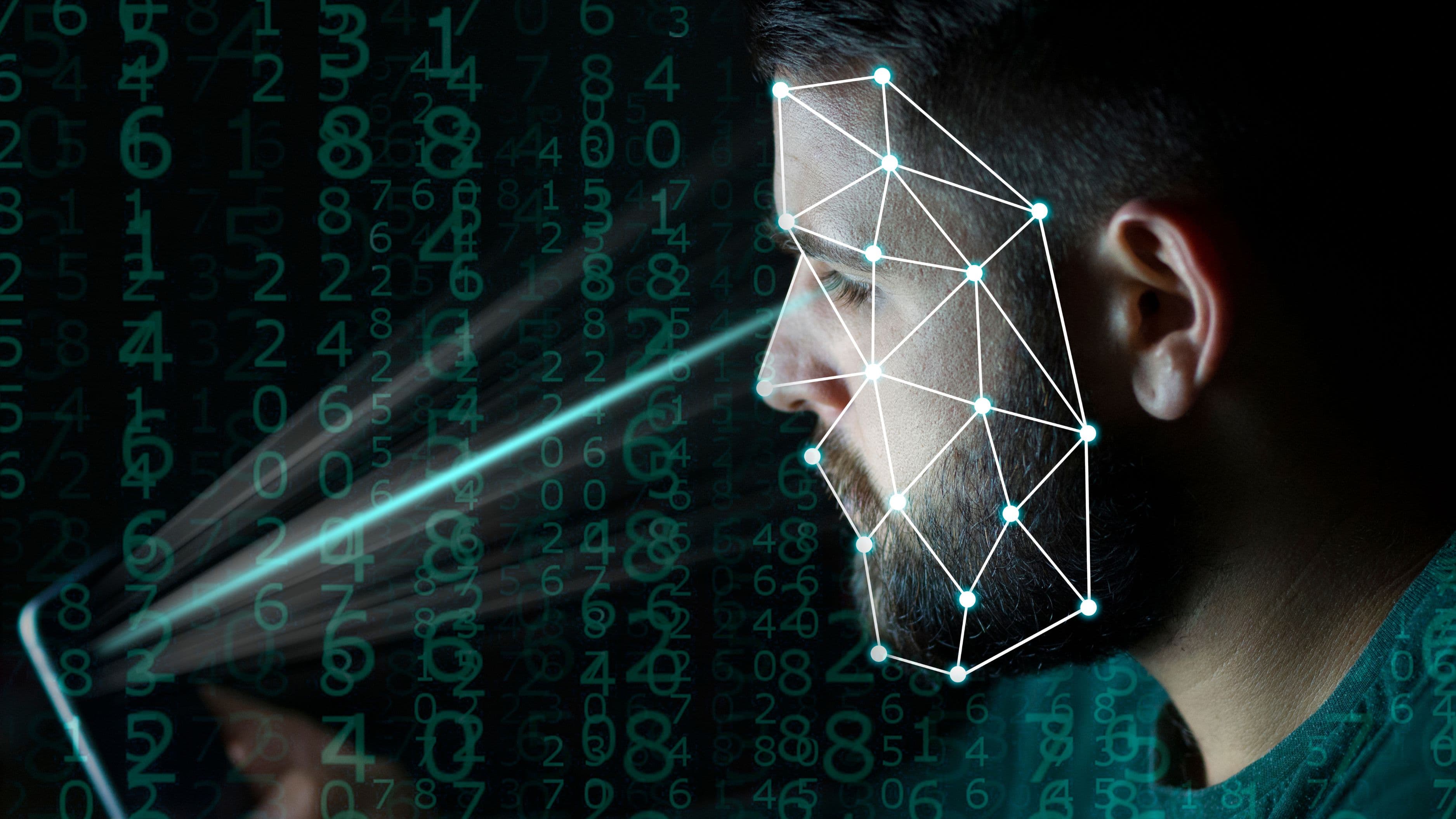
Facial recognition technology has moved from science fiction to street-level reality faster than most governments have managed to regulate it. Cameras that can identify individuals from a crowd, cross-reference databases in real time, and flag people for law enforcement are already deployed in cities across the world — and the legal picture around them is fragmented, contested, and in many places still being written.
Is It Safe to Use Public Wi-Fi with a VPN?
Coffee shop Wi-Fi, airport hotspots, hotel networks – they're everywhere, and they're also the classic example of "risky" internet behavior that every cybersecurity article warns you about. A VPN gets recommended constantly as the fix, but it's worth understanding exactly what a VPN does and doesn't protect against before assuming it makes public Wi-Fi completely risk-free.
The Real Cost of a Data Breach Beyond the Headlines
When a company announces a data breach, the headline usually focuses on one number: how many accounts or records were exposed. That number matters, but it tells you almost nothing about what actually happens afterward, either for the company or for the people whose information got out. The real cost of a breach unfolds over months and years, in ways that rarely make it back into the news cycle.
What Does a VPN Actually Hide and What Does It Not?
VPNs have been marketed so aggressively over the last decade that a lot of people have developed a slightly unrealistic picture of what they actually do. The pitch — "your IP is hidden, your data is encrypted, you're invisible online" — isn't entirely wrong. But it's not the whole picture either, and the gaps matter more than most VPN ads would have you believe.

What Is Browser Fingerprinting and Can You Stop It?
You clear your cookies. You use incognito mode. You maybe even have a VPN running. And yet, somehow, certain websites still seem to recognize you. That's not a coincidence – it's browser fingerprinting at work, and it's one of the more quietly pervasive tracking methods on the web right now.
What Is Differential Privacy and How Do Big Tech Companies Use It?
Every time you see a phrase like "your data helps improve our products," there's usually a quiet technical decision behind it about how much of your actual, individual information ever gets touched in the process. Differential privacy is one of the main tools making that possible, and it's become one of the more important, least-understood pieces of how large tech companies handle data at scale.

What Is Doxxing and How Can You Protect Yourself From It?
You don't have to be famous to get doxxed. You just have to annoy the wrong person online – or sometimes, simply exist in a space where someone decides to make you a target. Doxxing has moved from a niche hacker tactic to a mainstream threat, and the digital footprint most people leave without thinking about it makes it easier than ever to pull off.
What Is End-To-End Encryption and Who Controls the Keys?
Every time you send a message on WhatsApp, make a video call on FaceTime, or store files in certain cloud services, you're probably using end-to-end encryption without thinking about it. That phrase gets thrown around a lot in tech conversations – usually as a reassurance that your data is "safe" – but what does it actually mean? And more importantly, who's in control?

What Is Signal and Why Do Security Experts Trust It?
Signal comes up constantly whenever security researchers, journalists, or privacy advocates discuss which messaging app to actually trust, and unlike a lot of security recommendations that come down to personal preference, Signal's reputation is backed by something more concrete: fully open-source, independently audited encryption protocol design, combined with a nonprofit structure that removes some of the profit-driven incentives that create privacy conflicts at other messaging companies.

What Is Sim Swapping and Why Is It So Effective Against Most People?
You've probably got two-factor authentication set up on your email, your bank, maybe your crypto wallet if you have one. It feels like a solid layer of protection – until you realize that layer often depends entirely on one thing: your phone number. SIM swapping is the attack that exploits exactly that assumption, and it's a big reason security experts have spent the last few years pushing people away from SMS-based verification.
What Is Spear Phishing and Why Is It More Dangerous Than Regular Phishing?
You've probably heard "don't click suspicious links" so many times it's become background noise. And for run-of-the-mill phishing, that advice actually works pretty well – most of those emails are obvious enough that a decent spam filter and a second of skepticism handles them. Spear phishing is a different animal entirely. It's the kind of attack that fools security professionals, bypasses corporate defenses, and succeeds precisely because the person receiving it has no reason to be suspicious.

What Is a Man-In-The-Middle Attack and When Is Your Connection at Risk?
You've probably connected to free airport or coffee shop Wi-Fi without a second thought. Most of the time, that's fine. But that exact moment, an unsecured network, a rushed login, a little too much trust in "Free Public WiFi" as a network name, is the setup for one of the oldest and most quietly effective tricks in cybersecurity: the man-in-the-middle attack.
What Is a Passkey and Is It Finally Time to Ditch Passwords?
Passwords are exhausting. You know the drill – create something complex, don't reuse it, store it somewhere, forget where you stored it, reset it, repeat forever. The system is broken and most people quietly know it. Passkeys are being positioned as the fix, and for once, the tech industry might actually be onto something.
What Is a Supply Chain Attack and Why Are They So Hard to Detect?
Imagine a burglar who doesn't pick your lock. Instead, they get a job at the factory that makes your locks, and quietly install a flaw in every unit that ships. You'd buy the lock, install it yourself, trust it completely – and never know the weakness was built in before it ever reached your door.
What Is the Right to Be Forgotten and Can You Actually Use It?
If you've ever wanted an old embarrassing article, an outdated data broker listing, or an irrelevant search result about you to simply disappear from the internet, you've probably run into the phrase "right to be forgotten." It sounds like a sweeping legal power, but the reality is narrower, more regional, and more procedural than the phrase suggests. Here's what it actually covers, where it applies, and what realistically happens when you try to use it.
Why Do Data Breaches Keep Happening at the Same Companies?
You've probably noticed the pattern by now. A major company announces a data breach. Millions of accounts are compromised. They issue an apology, offer a year of free credit monitoring, promise to "take security seriously going forward," and then – sometimes months, sometimes years later – it happens again. Same company, same basic failure, different headline.
Why Does the Us Government Keep Trying to Ban End-To-End Encryption?
If you've followed tech policy news for more than a few years, you've probably noticed a pattern. Every so often, a new bill, proposal, or law enforcement statement resurfaces the same basic fight: should companies be required to build a way for the government to access encrypted messages? It's happened enough times, under different administrations and different bill names, that it can start to feel like a recurring headline rather than a one-time debate.
Why Is Metadata Often More Revealing Than the Content It Describes?
There's a phrase that surfaced during the NSA surveillance debates of the early 2010s that has stuck around because it's genuinely unsettling: "We kill people based on metadata." It was attributed to former NSA and CIA director Michael Hayden, speaking about drone targeting programs. The point wasn't hyperbole. It was an acknowledgment that metadata – the data about data, the layer of information that describes when, where, how, and with whom you communicate – can be more operationally useful than the content of the communications themselves.
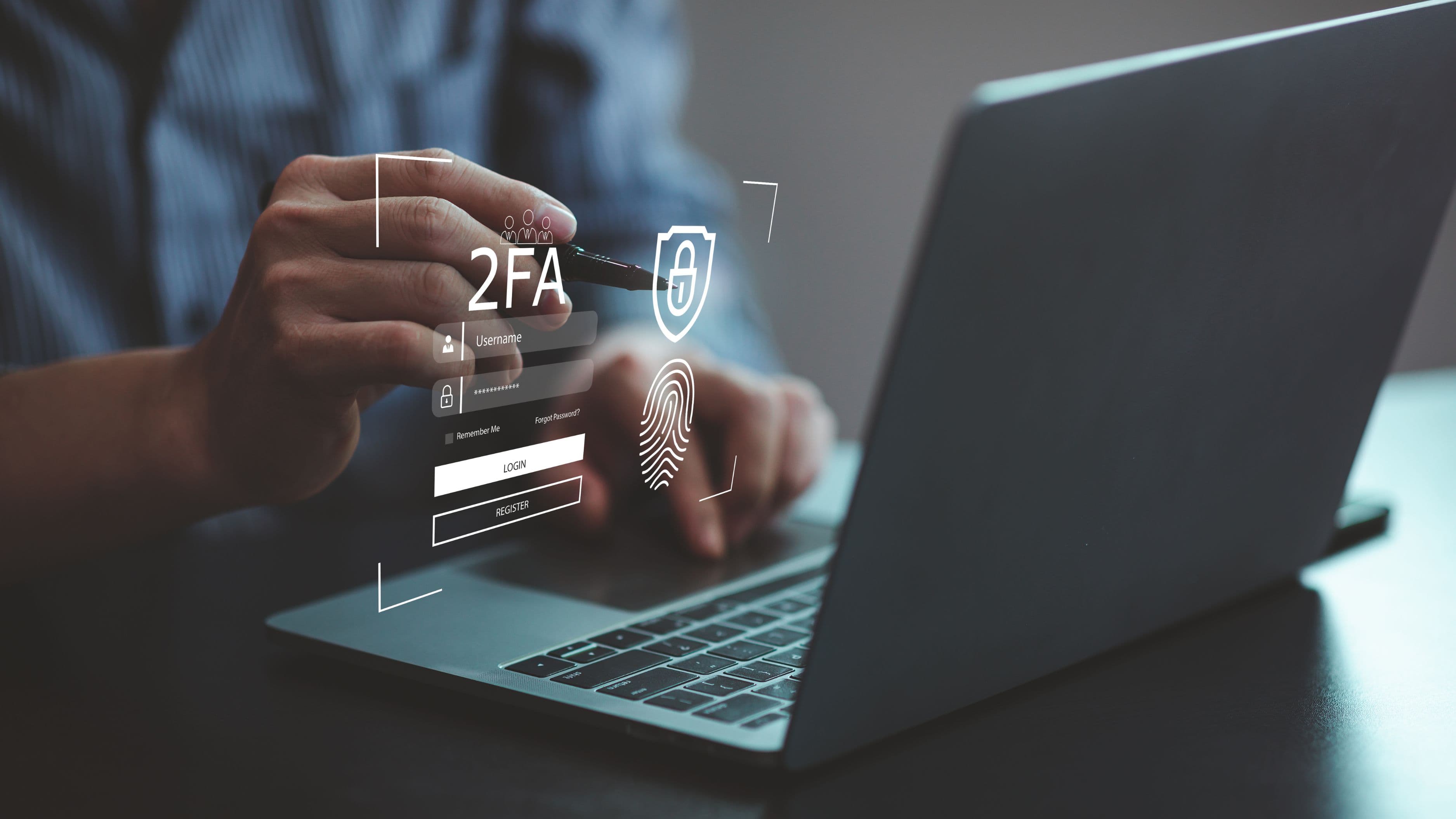
Why Is Two-Factor Authentication Not Enough Anymore?
For years, two-factor authentication was the security advice that actually stuck. Enable it everywhere. Use it on your email, your bank, your social accounts. It's one of the most repeated pieces of digital security advice out there – and it was genuinely good advice. The problem is that the threat landscape has quietly moved faster than the advice has.

Why Is Your Smart Home a Potential Security Vulnerability?
Your smart home is impressively convenient – and quietly one of the most exposed networks in your life. The same setup that lets you dim the lights from your phone or check who's at the door while you're at work also opens up a surprising number of ways for things to go wrong. Not in a Hollywood hacking sense, but in the grounded, unglamorous way that most real security problems actually unfold.
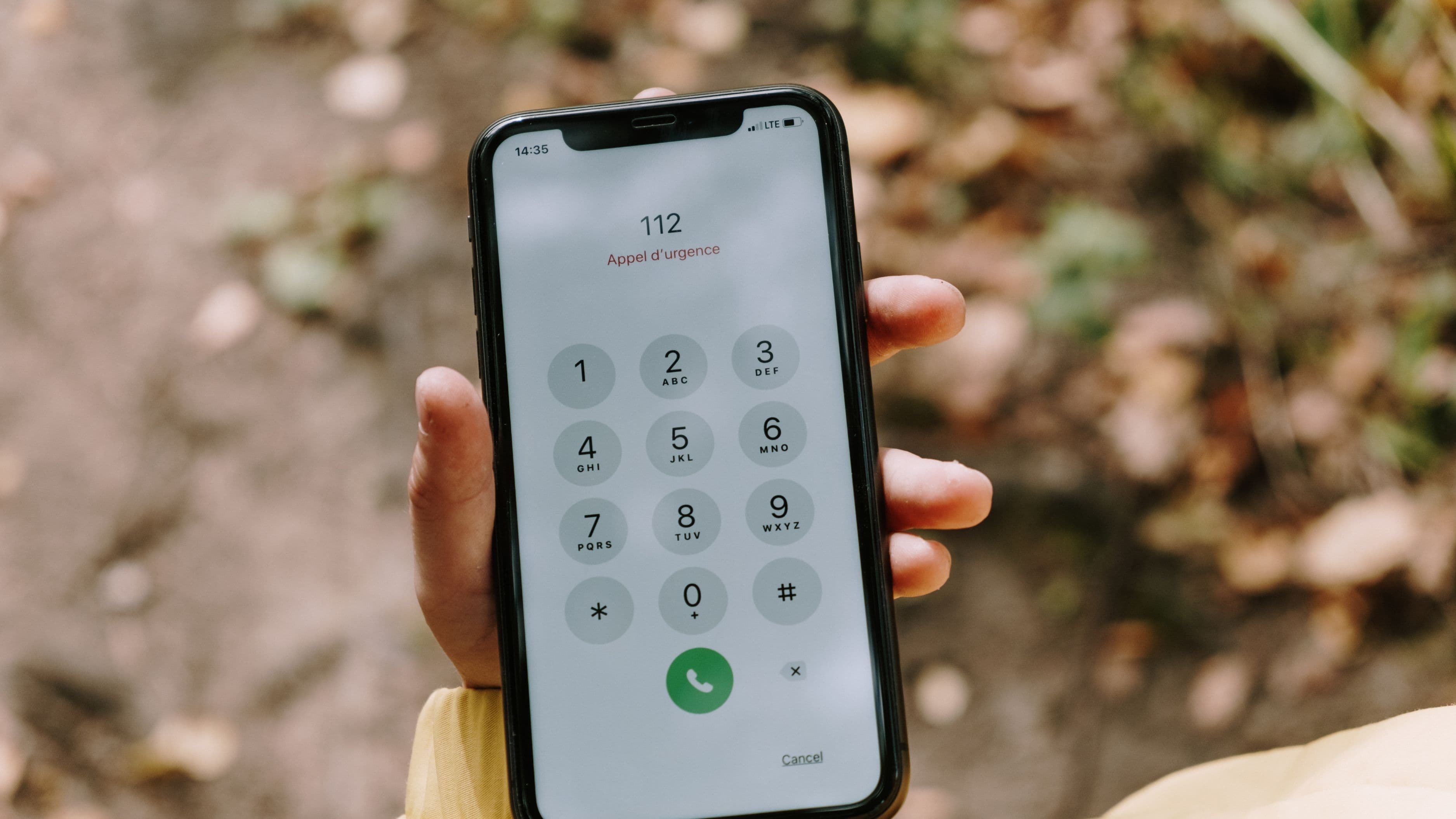
Why Your Phone Number Is Now Your Biggest Security Liability
For years, your phone number felt like the safe, boring piece of your identity – something you gave out freely on forms, at checkout counters, and in apps without a second thought. That casualness hasn't aged well. Your phone number has quietly become one of the most exploitable pieces of personal data you own, and understanding why matters more now than it did even a few years ago.
Why the Biggest Security Threat to Most People Is Their Inbox
You've got antivirus software installed. Maybe even a VPN running in the background. But the single biggest entry point for most cyberattacks isn't a sophisticated hack – it's sitting quietly in your inbox, waiting for you to click something you shouldn't.
Explore other categories
Same editorial standard, different decisions.

AI Coding Tools
Agent comparisons, MCP setups, local models, and the workflows that actually ship.
Browse AI Coding Tools
Artificial Intelligence
Browse Artificial Intelligence
Error Fixes
Exact root causes and permanent fixes for the bugs that stop your ship.
Browse Error Fixes
Internet Culture
Browse Internet Culture
Tech & Innovation
Browse Tech & Innovation
Tools & Career
Developer tooling, security patterns, and career moves that compound.
Browse Tools & Career