
Understanding how this expansion actually happens, and why it matters, doesn't require a background in law or cybersecurity. It just requires looking at a few of the mechanisms doing the quiet work.
Why This Expansion Rarely Looks Dramatic
Large-scale, obviously invasive surveillance programs tend to draw public backlash and legal challenges. What's grown far more common instead is a patchwork of smaller tools and agreements that each seem reasonable in isolation but combine into something much larger than any single piece suggests.
A license plate reader here, a data-sharing agreement there, a new facial recognition contract with a city transit system – none of these individually feels like "mass surveillance," but the aggregate effect is a level of tracking that would have required enormous resources just two decades ago.
Commercial Data Purchasing
One of the most significant, and least discussed, shifts is how governments increasingly buy data from private companies instead of collecting it directly. Location data harvested from mobile apps, browsing histories, and purchase records are often available for purchase from data brokers, and government agencies have used this as a way to access information that would otherwise require a warrant to obtain directly.
This matters because many legal protections around government surveillance were written with direct collection in mind, not a system where the government simply purchases data that private companies gathered through app permissions most users never carefully read.
Facial Recognition in Public Infrastructure
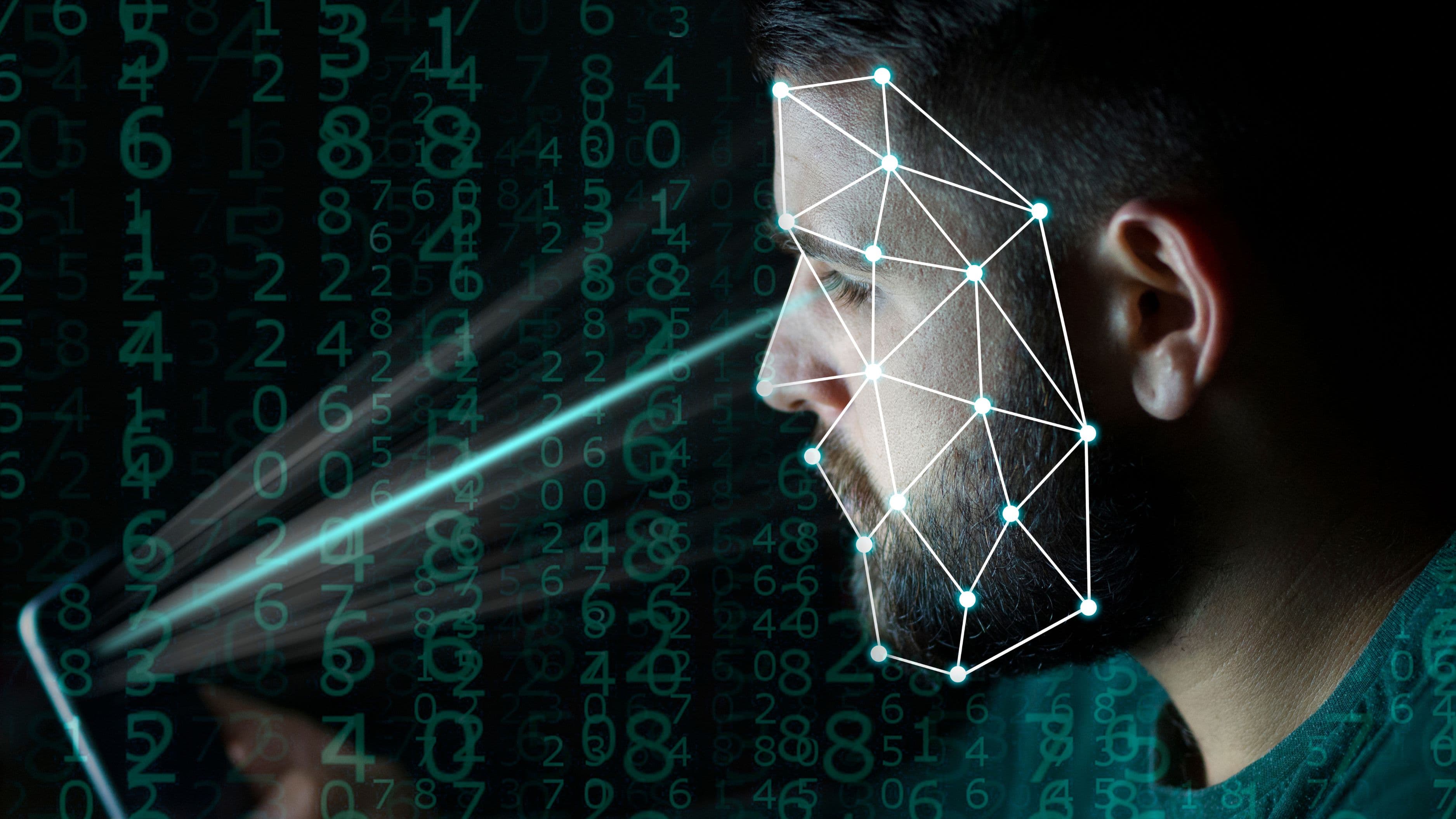
Facial recognition technology has moved well beyond airport security lines. It's increasingly embedded in public transit systems, retail partnerships with law enforcement, and city-wide camera networks, often rolled out through vendor contracts rather than public legislative debate.
The accuracy of these systems has improved substantially, but so has the scope of what they're used for, expanding from identifying specific suspects to broader, ongoing monitoring of public spaces. Several independent audits have found notable accuracy disparities across different demographic groups, which adds another layer of concern beyond privacy alone.
Expanding Data-Sharing Agreements Between Agencies
Individual agencies often have relatively narrow, well-defined authority to collect specific types of data. What's expanded significantly is the web of agreements that allow different agencies, and sometimes different levels of government, to share and combine that data.
A piece of information collected for one narrow purpose, like a toll transponder record or a public benefits application, can end up accessible to a much wider range of agencies through these sharing arrangements. This kind of aggregation can reveal far more about a person's life than any single data point would on its own.
Internet Service Provider and Telecom Cooperation
Legal frameworks in many countries require telecom and internet providers to retain certain user data and make it available to government agencies under specific legal processes. Over time, the scope of what's retained, and how quickly agencies can access it, has generally expanded rather than contracted, often through amendments that receive far less public attention than the original laws.
This is a particularly quiet form of expansion because the infrastructure is already in place. Adjustments to retention periods or access thresholds can shift significantly without requiring new hardware or a visible new program.
Why It Matters Even If You "Have Nothing to Hide"
The common response to surveillance expansion is that it only matters to people doing something wrong. This framing misses a few important realities. Widespread data collection creates a large pool of information that can be misused, breached, or repurposed well beyond its original intent, and history shows that surveillance infrastructure built for one purpose is frequently expanded to cover others once it exists.
There's also a documented psychological effect where awareness of surveillance changes behavior, even among people who aren't doing anything wrong, a phenomenon researchers refer to as a "chilling effect" on speech and association. This has real implications for things like political organizing, journalism, and even everyday willingness to search for information on sensitive topics.
What Oversight Actually Looks Like (and Its Limits)
Most surveillance programs technically have oversight mechanisms, whether through courts, legislative committees, or internal agency review. In practice, this oversight is often limited by classification restrictions, technical complexity that outpaces lawmakers' expertise, and the sheer volume of programs that a small number of overseers are expected to review.
Independent watchdog organizations, investigative journalists, and academic researchers have historically played an outsized role in surfacing the details of these programs, often well after they've been operating for years.
Practical Steps for Reducing Your Digital Footprint
While no individual action eliminates exposure to these larger systemic trends, a few practical steps can meaningfully reduce how much data about you is available for collection or purchase in the first place:
Review and limit app permissions, particularly location access for apps that don't need it to function
Use browsers and search engines with stronger privacy defaults
Opt out of data broker listings where opt-out mechanisms exist
Use encrypted messaging apps for sensitive communications
Regularly review privacy settings on social media and connected devices
What to Avoid
Avoid conflating every use of technology by law enforcement with unwarranted surveillance. Targeted, warrant-based investigation of specific individuals with probable cause is a different category from mass, ongoing collection of data on the general public, and treating them the same makes it harder to have a precise conversation about where the real concerns lie.
It's also worth being skeptical of alarmist claims that aren't backed by documented evidence. This is a real and well-documented trend, but exaggerating specific claims undermines the credibility of the broader, legitimate concern.
Why It Matters
This shift matters because the legal and social frameworks most people assume are protecting their privacy were largely built for a world of physical records and limited data sharing. The tools and agreements described here have expanded much faster than the laws designed to regulate them, and that gap is where most of the quiet expansion has happened.
FAQ
Is this happening only in certain countries? No. Variations of these trends, commercial data purchasing, facial recognition expansion, and inter-agency data sharing, have been documented across many democracies, not just authoritarian states, though the specific legal protections and oversight vary significantly by country.
Can I find out what data the government has collected about me? In some countries, freedom of information requests can reveal certain records, though this process is often slow and incomplete. Data broker opt-out requests can also reveal what commercial data exists, though this doesn't cover data collected through direct legal processes.
Is encryption actually effective against this kind of surveillance? Strong end-to-end encryption significantly raises the difficulty and cost of intercepting message content, though it doesn't necessarily prevent metadata collection (who you communicated with and when), which can still reveal significant information on its own.
📚 Sources
Electronic Frontier Foundation – Street-Level Surveillance – https://www.eff.org/issues/street-level-surveillance
Brennan Center for Justice – Government Surveillance – https://www.brennancenter.org/issues/protect-liberty/government-surveillance