
The Immediate Costs Companies Actually Face
The first wave of costs after a breach is fairly predictable: forensic investigation to figure out what happened, legal fees, notification costs to inform affected users, and often a temporary spike in customer support demand. For larger companies, this alone can run into the millions, even before any lawsuits or regulatory fines enter the picture.
Cybersecurity insurance has become more common, but many policies have specific exclusions and caps that leave companies covering a substantial portion of these costs directly. Premiums for this type of insurance have also risen significantly as breaches have become more frequent, which is its own quiet cost that gets absorbed into a company's operating budget long-term.
The Slower, Larger Cost: Lost Trust
The financial cost that takes longest to materialize, and is hardest to put a precise number on, is customer attrition. Studies on breach aftermath consistently show that a meaningful percentage of affected customers reduce their engagement with a brand or leave entirely, particularly when the breach involved financial or highly sensitive personal information.
This effect tends to compound with how the company handled the breach itself. A slow, unclear, or defensive response to a breach tends to drive away significantly more customers than a fast, transparent one, even when the technical severity of the breach itself is similar.
Regulatory Fines Are Increasingly Significant
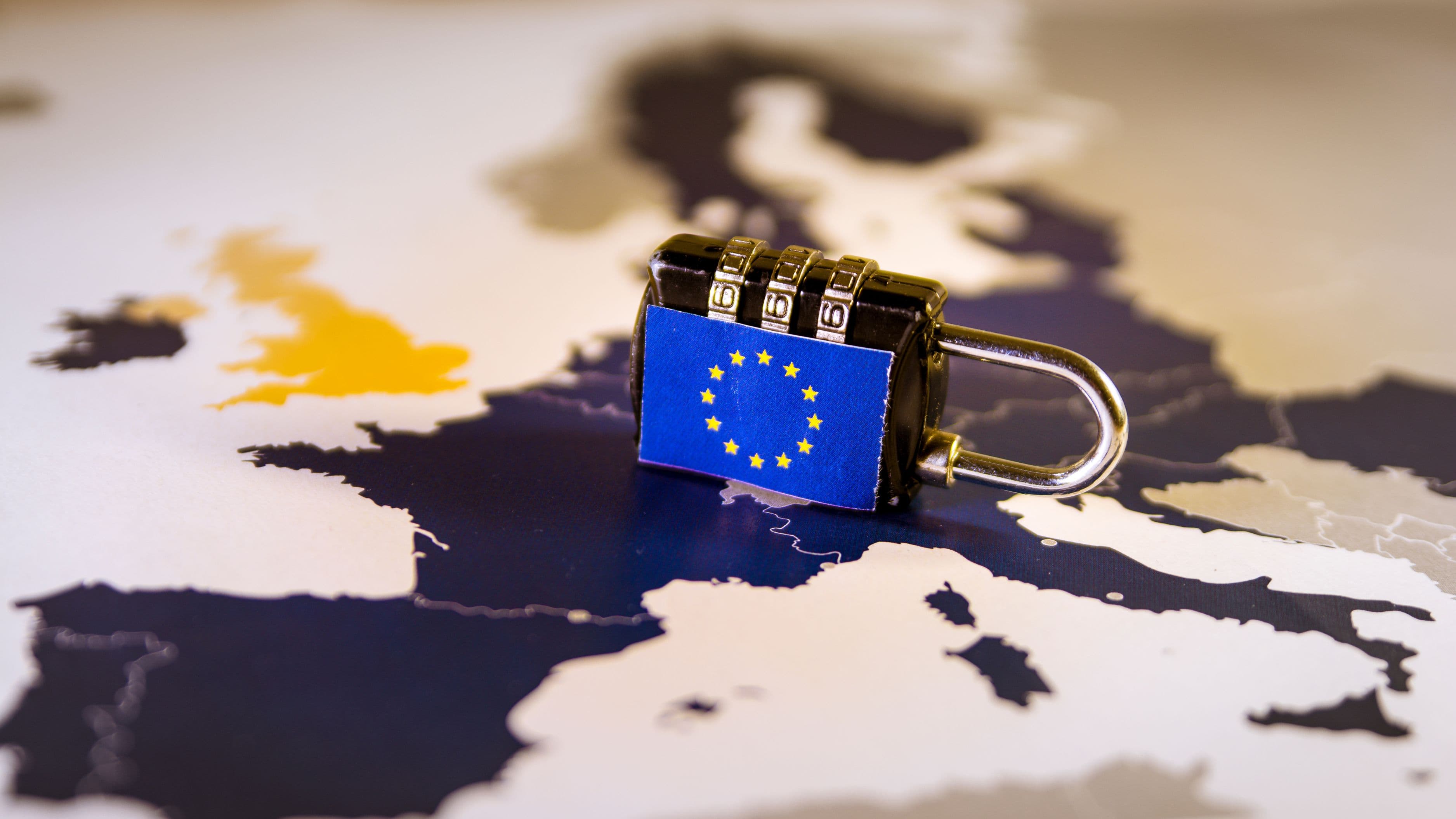
Data protection regulations like the EU's GDPR and various US state privacy laws have introduced real financial consequences for companies that fail to adequately protect user data or delay notification beyond required timelines. Fines have reached into the hundreds of millions of dollars for major breaches involving regulated data types, and the trend across most jurisdictions has been toward stricter enforcement rather than more lenient treatment.
This shifts the calculation for companies significantly. A breach is no longer just a reputational and operational problem, it's increasingly a direct legal and financial liability with consequences that scale based on how well (or poorly) the company can demonstrate it took reasonable precautions beforehand.
What Happens to the People Whose Data Was Exposed
For individuals, the visible cost is often a wave of phishing attempts and spam in the weeks after a breach is disclosed. The less visible cost is what happens to that data over the following months and years, since exposed information doesn't expire. It gets aggregated with data from other breaches, sold on various markets, and used to build increasingly detailed profiles that can enable more convincing scams down the line.
Identity theft resulting from a breach can take months to fully resolve, often requiring disputes with credit bureaus, banks, and other institutions. Even when financial losses are eventually reversed, the time and stress involved is a real cost that rarely gets captured in official breach statistics.
Credential Reuse Turns One Breach Into Many
A significant portion of breach damage comes from a very human habit: reusing the same password across multiple accounts. When credentials from one breach are exposed, attackers routinely test them against other unrelated services, a technique known as credential stuffing. This means a breach at one relatively low-stakes service, like an old forum account, can end up compromising a completely unrelated account, like an email or banking login, if the same password was used for both.
This is part of why breach costs tend to ripple outward well beyond the company that was originally breached, and why a breach that seems minor on its own can still carry meaningful risk depending on your personal password habits.
The Cost of Response Fatigue
An underdiscussed cost is what security researchers sometimes call "breach fatigue." As data breaches have become more frequent and more widely reported, many people have become desensitized to the notifications, either ignoring them or failing to take recommended steps like changing passwords or freezing credit.
This fatigue has a real cost, since the protective actions recommended after a breach only work if people actually follow through on them. A notification that goes unread or unacted upon effectively negates one of the few tools people have to limit their personal exposure after a breach occurs.
How Companies Are Adjusting (and Where They Fall Short)
In response to rising costs, many companies have increased investment in areas like encryption at rest, multi-factor authentication requirements, and more rigorous vendor security reviews, since third-party vendors are involved in a significant share of major breaches. Some have also adopted more proactive breach disclosure practices, partly driven by regulatory requirements and partly by the reputational math showing that transparency tends to reduce long-term customer attrition.
That said, security investment often still lags behind the pace at which new attack techniques develop, particularly for smaller companies without dedicated security teams. This gap is a significant reason breaches continue at a high rate, even as awareness of their costs has increased.
What to Avoid
Avoid assuming that a company's silence after a breach means it's being handled responsibly. Regulatory notification timelines exist precisely because companies have historically delayed disclosure, sometimes for months, while the risk to affected users continued unaddressed. It's also worth being cautious of framing breach costs purely in dollar figures, since doing so tends to obscure the real, ongoing burden placed on individuals whose information was exposed, which doesn't always show up cleanly in a company's earnings report.
Why It Matters
Understanding the full scope of breach costs, not just the headline number of records exposed, gives a more accurate picture of why data security investment matters and why regulatory pressure on companies has increased. It also underscores a practical point for individuals: the actions recommended after a breach, like updating passwords and enabling multi-factor authentication, aren't just formality. They address a cost that tends to compound quietly over time if ignored.
FAQ
How long does it typically take a company to detect a breach? Industry reports have historically put average detection times at several months, though this has generally improved somewhat as monitoring tools have advanced. Detection speed still varies enormously between organizations.
Is it worth paying for identity theft protection services after a breach? These services can help monitor for misuse of your information, though they don't prevent a breach from happening. Free alternatives, like credit freezes and regular credit report checks, cover much of the same protective ground at no cost.
Do small businesses face the same breach costs as large companies? Proportionally, small businesses are often hit harder, since they typically have fewer resources to absorb investigation costs, legal fees, and reputational damage, and some studies suggest a notable percentage of small businesses close within a year of a significant breach.
📚 Sources
IBM Security – Cost of a Data Breach Report – https://www.ibm.com/reports/data-breach
Federal Trade Commission – Data Breach Response Guidance – https://www.ftc.gov/business-guidance/resources/data-breach-response-guide-business