
The issue isn't that smart home technology is inherently bad. It's that it multiplies the number of connected devices on your network, and most of those devices weren't built with security as the primary concern. Understanding where the risk actually comes from – and what you can do about it – is what this piece is about.
The Core Problem: Every Device Is An Entry Point
A traditional home network used to involve a handful of things: a router, maybe a laptop, a phone or two. Each device you add to your network is another potential entry point for an attacker. Smart home technology has turned that handful into dozens. A typical connected home in 2025 might include a smart TV, a voice assistant, a thermostat, smart light bulbs, a doorbell camera, a smart lock, a robot vacuum, a connected washing machine, and a streaming stick – each running its own firmware, connecting to its own cloud service, and sitting on your home network 24 hours a day.
Here's the problem that follows from that: your network is only as secure as its weakest device. You might keep your laptop fully patched and use strong passwords on your accounts, but if your smart plug is running firmware from 2020 with a known vulnerability and the manufacturer stopped pushing updates, that plug is a door that never got locked. Attackers don't target your most secure device – they look for the easiest way in, and in a house full of IoT gadgets, the easiest way in is often something you forgot was even connected.
What Attackers Actually Do With Smart Home Access
It's worth being clear about what real-world exploitation of smart home devices looks like, because it's more varied – and in some ways more mundane – than people expect.
Network pivoting is one of the more serious risks. If an attacker compromises a low-security device on your network (say, a smart bulb with weak authentication), they can use that foothold to probe other devices on the same network – including your laptop, NAS drive, or anything else sharing the same connection. From a compromised device on your local network, attacking your other devices is far easier than doing so from the open internet.
Botnets are perhaps the most common real-world outcome. Researchers at security firms have documented cases where thousands of smart cameras, routers, and IoT devices are silently enrolled into botnets – networks of compromised machines used to launch distributed denial-of-service attacks, send spam, or mine cryptocurrency. The owner has no idea. The device appears to work normally. It's just also doing something else in the background.
Data harvesting and privacy intrusions are a separate category of concern. Many smart home devices collect more information than their primary function requires. A smart TV may track viewing habits and send them to ad platforms. A robot vacuum with mapping capabilities has a detailed floor plan of your home sitting on a company's servers. A voice assistant, if poorly secured, can potentially be accessed remotely. In 2023, Ring – Amazon's doorbell camera brand – paid $5.8 million in refunds after the FTC found employees had accessed customers' private videos without authorization. The problem isn't always a hacker from outside; sometimes it's the company itself.
Physical security is also at stake in a way that feels more tangible. If your smart lock or alarm system can be compromised remotely, the consequences cross the line from digital to physical. Researchers have demonstrated vulnerabilities in popular smart lock brands that allowed authentication to be bypassed with relatively simple tools. Most of these get patched – but that depends on manufacturers issuing updates and users installing them.
Why IoT Devices Are Structurally Weak
There are a few reasons smart home devices end up being the weak link, and they're mostly structural rather than accidental.
Cost pressure leads to security shortcuts. Many IoT manufacturers compete aggressively on price. Security infrastructure – secure boot processes, encrypted firmware updates, regular patch cycles – costs money to build and maintain. When the margin on a smart plug is a few dollars, that investment is hard to justify. The result is devices shipped with basic security at best, and sometimes with hardcoded default credentials, open Telnet ports, or unencrypted communications by default.
Short product lifespans with long deployment lives. A phone manufacturer supports a flagship device for three to five years. But a smart thermostat you buy today might be used for a decade or more. When manufacturers discontinue support for older products – which happens faster in the consumer electronics space than most people realise – those devices stop receiving security updates but keep sitting on your network, accumulating unpatched vulnerabilities over time.
Fragmented standards and no single accountability body. Unlike the software running on your phone or laptop, IoT devices don't have a unified update and security standard. Different manufacturers use different chipsets, operating systems, and cloud backends. There's no equivalent of Google's or Apple's centralised security patch infrastructure. The Matter standard – a newer cross-platform smart home protocol backed by Apple, Google, Amazon, and Samsung – is trying to address some of this, but adoption is still partial and it doesn't retroactively fix older devices already in homes.
The Router Is Also Part Of The Equation
Most smart home security conversations focus on the devices, but the router is where everything converges and it deserves its own attention. Your router is the gateway between every device in your home and the internet. If it's running outdated firmware, uses default admin credentials, or has remote management enabled unnecessarily, it becomes a single point of failure for your entire network.
Many home routers – including some popular models from well-known brands – have been found to contain serious vulnerabilities that went unpatched for months or were never patched at all because the hardware was past its support window. A compromised router gives an attacker a privileged position to intercept traffic, redirect DNS queries, or access any device behind it. Keeping your router's firmware updated and changing its default admin password are two of the highest-leverage things you can do for your overall home network security.
What You Can Actually Do About It
This is the part where the tone usually becomes alarmist or, at the opposite extreme, dismissively simple. The honest answer is somewhere in between – there are practical things you can do that make a real difference without requiring you to become a security engineer.
Segment your network. Most modern routers support creating a separate guest network or IoT VLAN. Putting your smart home devices on a different network segment from your laptops and phones means a compromised smart bulb can't easily reach your work computer. This is probably the single most impactful thing you can do, and most router interfaces make it reasonably straightforward.
Change default credentials immediately. Many smart devices ship with default admin usernames and passwords that are the same across every unit – and often publicly listed. Change them the moment you set a device up. This blocks the most basic form of attack.
Keep firmware updated. Enable automatic firmware updates where available. For devices that require manual updates, set a calendar reminder to check every few months. When a manufacturer announces end-of-life for a product, take that seriously – an unsupported device on your network is a liability.
Audit what's actually connected. Log into your router's admin interface and look at the device list. You may be surprised what's there. If you see devices you don't recognise or old gadgets you no longer use, disconnect them. Fewer devices means a smaller attack surface.
Buy from manufacturers with a track record of security updates. This is harder to verify at the point of purchase, but checking whether a brand has a public security disclosure policy and a history of releasing patches is a reasonable signal. Premium brands aren't automatically more secure, but manufacturers without any public security infrastructure are a warning sign.
Where This Is Heading
Regulation is starting to catch up with the problem. The EU's Cyber Resilience Act, which passed in 2024, places security requirements on connected device manufacturers selling into European markets – including mandatory vulnerability disclosure and update support commitments. The UK introduced similar requirements under its Product Security and Telecommunications Infrastructure Act in 2024. In the US, the FCC has begun establishing a Cyber Trust Mark labeling scheme for IoT devices that meet defined security baselines.
None of this fixes the problem overnight. Millions of older devices with no path to compliance are already in homes, and regulatory enforcement takes time. But the direction is clear: the industry is being pushed – slowly – toward treating security as a baseline requirement rather than an optional feature.
For now, the practical reality is that smart home security is something each user largely has to manage themselves. That's frustrating, but it's the current state of things. A few deliberate choices – network segmentation, default credential changes, regular firmware updates, and some thought about what you're actually connecting – go a long way toward making your smart home a lot harder to exploit.
FAQ
Is it possible to have a smart home that's genuinely secure? Reasonably secure, yes – perfectly secure, no. The goal is to reduce your attack surface and make your setup meaningfully harder to exploit, not to eliminate all theoretical risk. The steps in this article make a real difference in practice.
Should I be worried about my smart TV specifically? Smart TVs are worth paying attention to. They tend to receive fewer security updates than phones, often collect viewing data, and in some cases have been found running outdated Android versions with known vulnerabilities. Keeping the firmware updated and reviewing privacy settings in the TV's menu is a good starting point.
Are voice assistants like Alexa or Google Home a security risk? The primary concern with voice assistants is data privacy rather than network intrusion – these devices send audio data to cloud servers for processing. The security risk is more about what the company does with that data and how well their servers are protected. Using a mute button when not actively using the device is a simple way to reduce exposure.
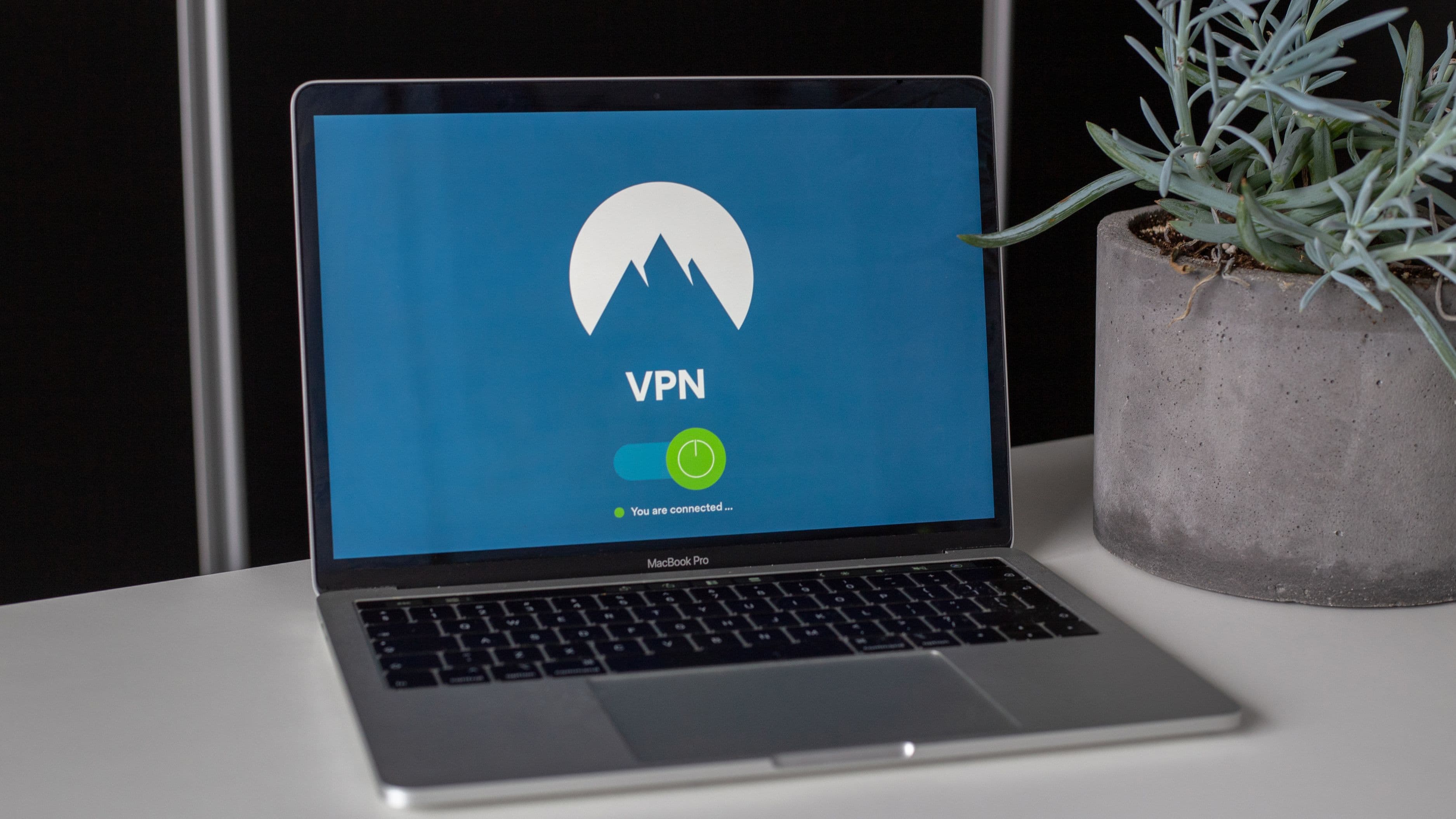
Does a VPN help with smart home security? A VPN on your router can encrypt traffic between your home network and the internet, which helps with some privacy concerns. It doesn't, however, protect you from attacks that originate within your local network – which is where most smart home vulnerabilities actually play out.
What's the Matter protocol and does it help? Matter is a new smart home standard designed to improve interoperability and includes security requirements like certificate-based authentication. It's a step in the right direction, but it only applies to newer devices built to support it and doesn't help with the large installed base of older IoT hardware already in homes.
📚 Sources
CISA – Security guidance for home network users and IoT devices: https://www.cisa.gov/news-events/news/securing-network-infrastructure-devices
FTC – FTC action against Amazon Ring: https://www.ftc.gov/news-events/news/press-releases/2023/05/ftc-says-ring-employees-illegally-surveilled-customers-failed-stop-hackers-taking-control-users
NIST – Foundational cybersecurity activities for IoT device manufacturers: https://csrc.nist.gov/publications/detail/nistir/8259/final
European Commission – Cyber Resilience Act overview: https://digital-strategy.ec.europa.eu/en/policies/cyber-resilience-act
DCMS UK – Product Security and Telecommunications Infrastructure Act: https://www.gov.uk/government/collections/the-product-security-and-telecommunications-infrastructure-psti-act-2022
Mirai botnet analysis – Cloudflare Learning Center: https://www.cloudflare.com/learning/ddos/glossary/mirai-botnet/