What's Happening
Despite years of investment in firewalls, antivirus software, and endpoint security, email remains the most common starting point for successful cyberattacks. It's not because email itself is uniquely vulnerable from a technical standpoint – it's because email is the easiest way to reach a person directly and convince them to do something that bypasses all that other security entirely, like clicking a malicious link or entering credentials into a fake page.
Why It Matters
This matters because a lot of people assume the biggest threats come from sophisticated hacking – someone breaking through firewalls or exploiting complex software vulnerabilities. In reality, most successful breaches start with something far simpler: a well-crafted email that convinces someone to hand over access voluntarily. Understanding this shifts where your attention and effort should actually go.
Why Email Is Such an Effective Attack Vector
It Reaches You Directly
Unlike a website vulnerability that requires you to visit a specific page, email lands directly in front of you, often disguised as something routine – an invoice, a password reset request, a shipping notification. This directness means attackers don't need to wait for you to stumble onto something; they can initiate contact whenever they choose.
It Exploits Routine and Habit
Most people process dozens of emails a day, many of which genuinely require quick action – confirming an order, resetting a password, responding to a colleague. This routine creates exactly the conditions attackers rely on: a moment of low scrutiny where a malicious email blends into a stream of legitimate ones.
It's Cheap and Scalable for Attackers
Sending thousands of phishing emails costs attackers almost nothing compared to more technical attack methods, and even a very low success rate – a fraction of a percent – can yield meaningful results when the outreach is massive. This economic reality is a big part of why phishing remains so persistent despite widespread awareness campaigns.
Fake Login Pages Are Increasingly Convincing
Once someone clicks a malicious link, they're often taken to a page designed to look identical to a legitimate login screen for their bank, email provider, or workplace software. Entering credentials there hands them directly to the attacker, all without any traditional "hacking" taking place at all.
Real-World Impact
Business email compromise, where attackers gain access to or spoof a company email account to request fraudulent payments, has resulted in significant financial losses for organizations of all sizes. On a personal level, compromised email accounts are often used as a gateway to reset passwords for banking, social media, and other accounts, since email is frequently the recovery method tied to nearly everything else in someone's digital life.
What Actually Reduces This Risk
Enable Two-Factor Authentication Everywhere You Can
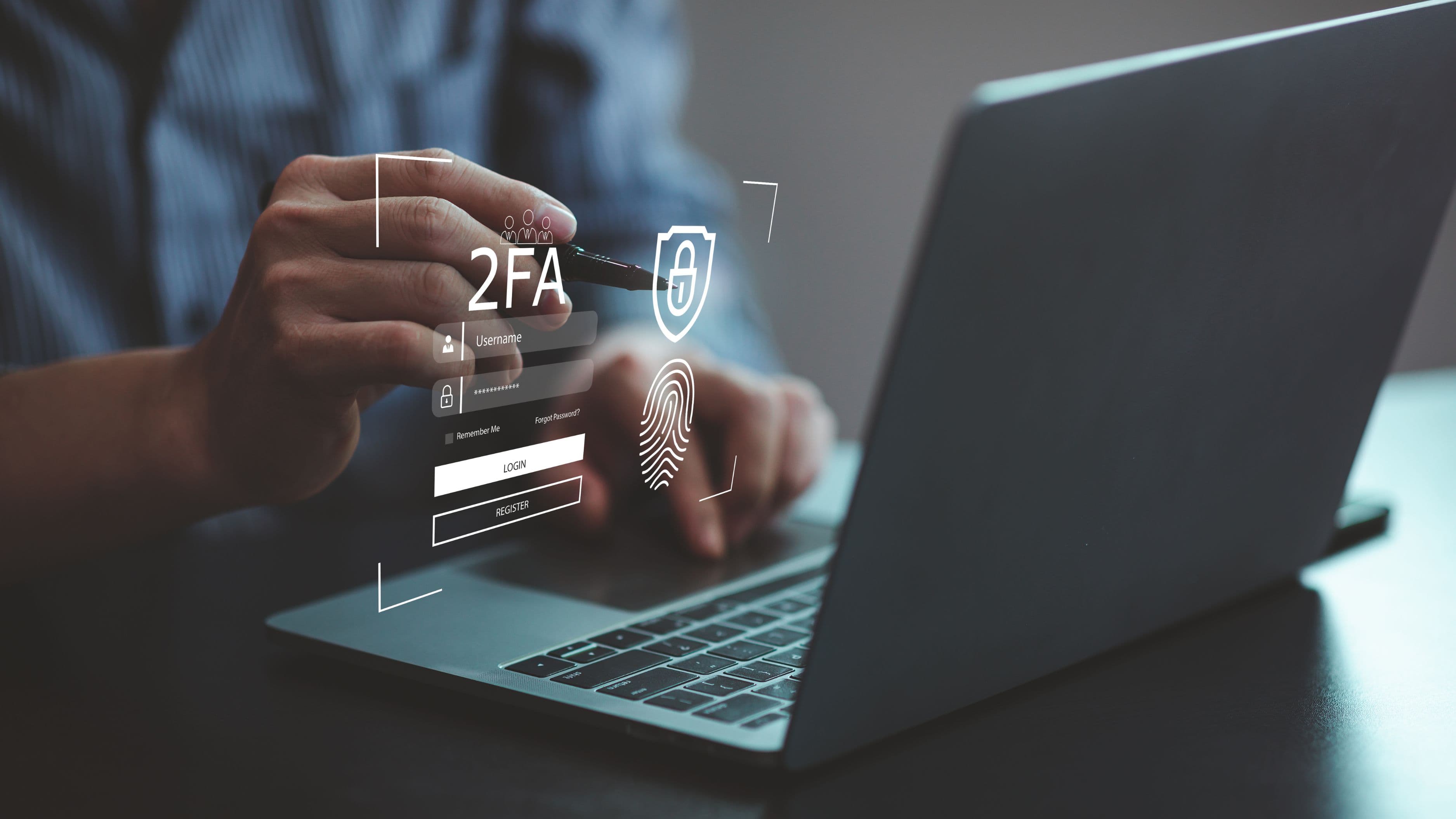
Even if a phishing attempt successfully captures your password, two-factor authentication adds a second barrier that stops most attackers from gaining access, since they'd also need your phone or authentication app. This single step meaningfully reduces the impact of a successful phishing attempt.
Slow Down Before Clicking Anything Urgent
Emails demanding immediate action – "your account will be suspended," "verify now or lose access" – are designed to short-circuit careful thinking. Building a habit of pausing before clicking anything that creates urgency closes off one of phishing's most reliable tactics.
Check the Actual Sender Address, Not Just the Display Name
Display names can be spoofed easily, but the actual email address behind them often reveals mismatches, like a message claiming to be from your bank but sent from an unrelated domain. Taking the extra few seconds to check this detail catches a meaningful portion of phishing attempts.
Go Directly to Websites Instead of Clicking Email Links
Instead of clicking a link in an email claiming to be from your bank or a service you use, open a new browser tab and navigate to the site directly. This simple habit eliminates the risk of landing on a convincing fake login page entirely.
Use a Password Manager
Password managers won't autofill credentials on a fake login page because they recognize the actual domain, which means they can act as an unexpected but effective early warning system if a page doesn't behave as expected.
Future Outlook
As phishing techniques continue to incorporate more sophisticated personalization and AI-generated content, the gap between fake and legitimate emails will likely keep narrowing. This makes structural defenses – two-factor authentication, password managers, and habits like navigating directly to websites – increasingly important compared to relying on spotting something that "looks off," since that visual distinction is becoming less reliable over time.
FAQ
Is email really more dangerous than other attack methods like malware or hacking? For most individuals and even many businesses, yes – email remains the most common entry point precisely because it targets human decision-making rather than requiring attackers to find and exploit a technical vulnerability.
Does having antivirus software make phishing emails less risky? Antivirus software can catch some malicious attachments, but it generally can't stop you from voluntarily entering your credentials into a convincing fake login page, which is why behavioral habits matter just as much as software protection.
What should I do if I think I clicked a phishing link? Change your password immediately from a separate, trusted device, enable two-factor authentication if it isn't already active, and monitor the affected account closely for any unusual activity.
📚 Sources
Verizon Data Breach Investigations Report – https://www.verizon.com/business/resources/reports/dbir/
Cybersecurity and Infrastructure Security Agency (CISA) – Phishing Guidance – https://www.cisa.gov/topics/cyber-threats-and-advisories/types-of-attacks/phishing