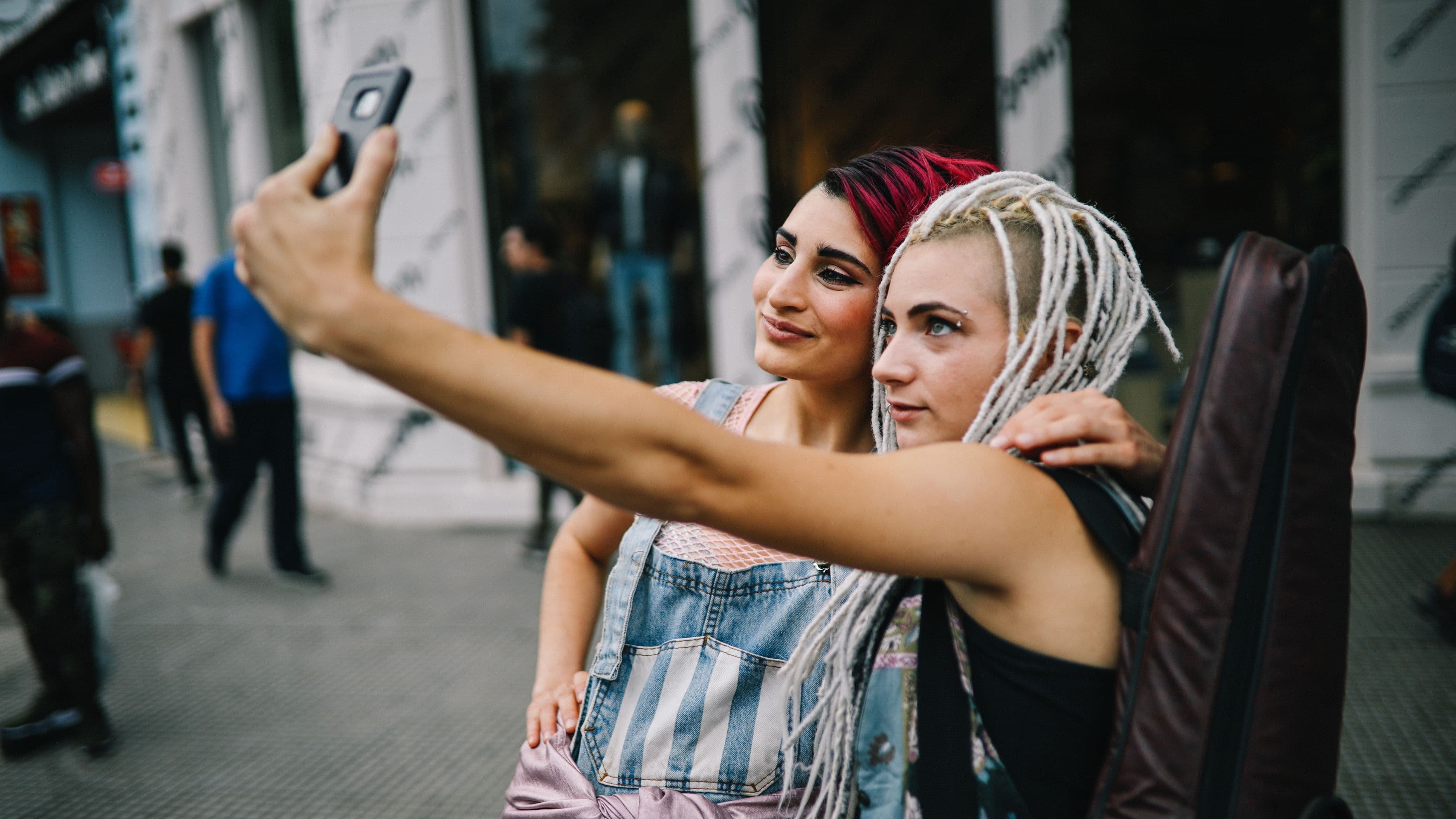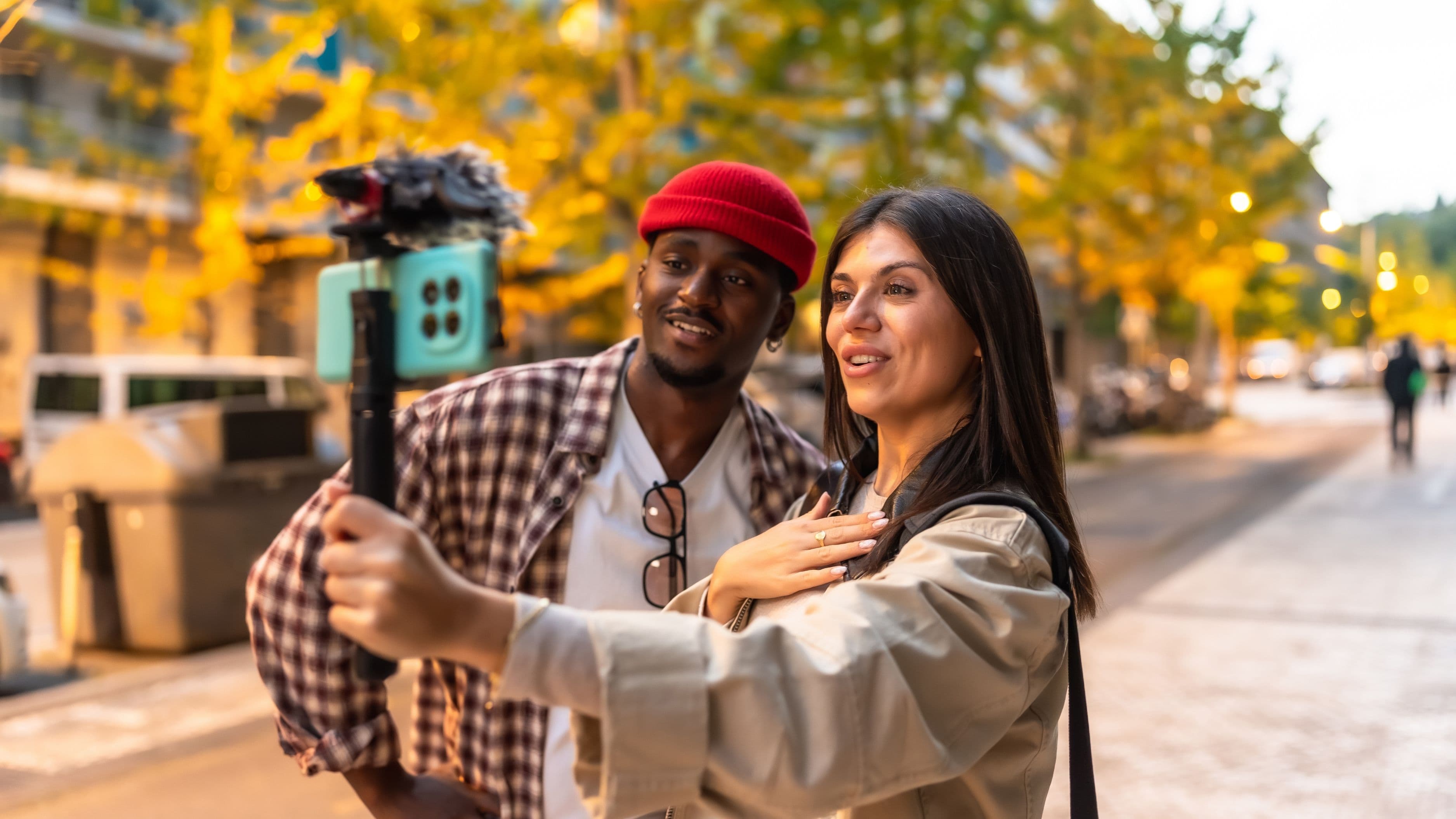
This isn't hypocrisy. It's something more interesting – a generation that understands exactly how these platforms work, resents what they do, and still can't walk away cleanly. Understanding why tells you a lot about where social media goes next, and what it means for everyone who uses it.
What "Rejecting" Actually Looks Like
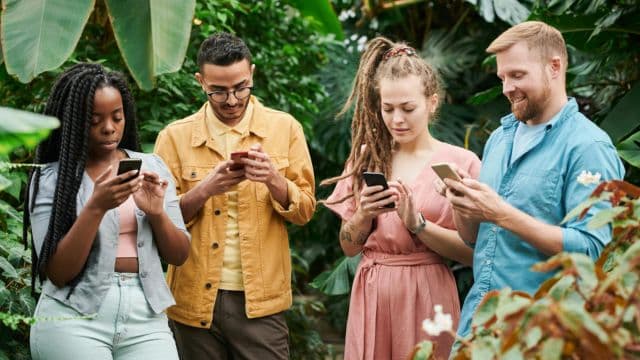
To be clear, Gen Z isn't logging off in large numbers. Screen time data consistently shows this generation spending four to seven hours a day on their phones, with social platforms accounting for a significant chunk of that. Usage is up across most platforms, not down.
The rejection is more cultural and attitudinal than behavioral. It shows up in a few specific ways: vocal criticism of algorithm-driven content, growing distrust of influencer culture, mass migration away from older platforms like Facebook and Twitter/X toward newer or more niche alternatives, and a widespread aesthetic preference for "authentic" content over polished, performative posts. TikTok's lo-fi trend, Instagram's BeReal-influenced photo dumps, and the explosion of "unfiltered" content formats are all part of this. The rejection isn't "I'm leaving" – it's "I don't want to perform for you anymore, but I'm staying."
The Paradox Isn't New – It's Just More Visible Now
Every generation has had a complicated relationship with mass media. Boomers who criticized television still watched hours of it daily. Millennials complained about Facebook while posting on it obsessively. What's different with Gen Z isn't the contradiction itself – it's that they're the first generation to have the vocabulary and the platforms to narrate their own ambivalence in real time.
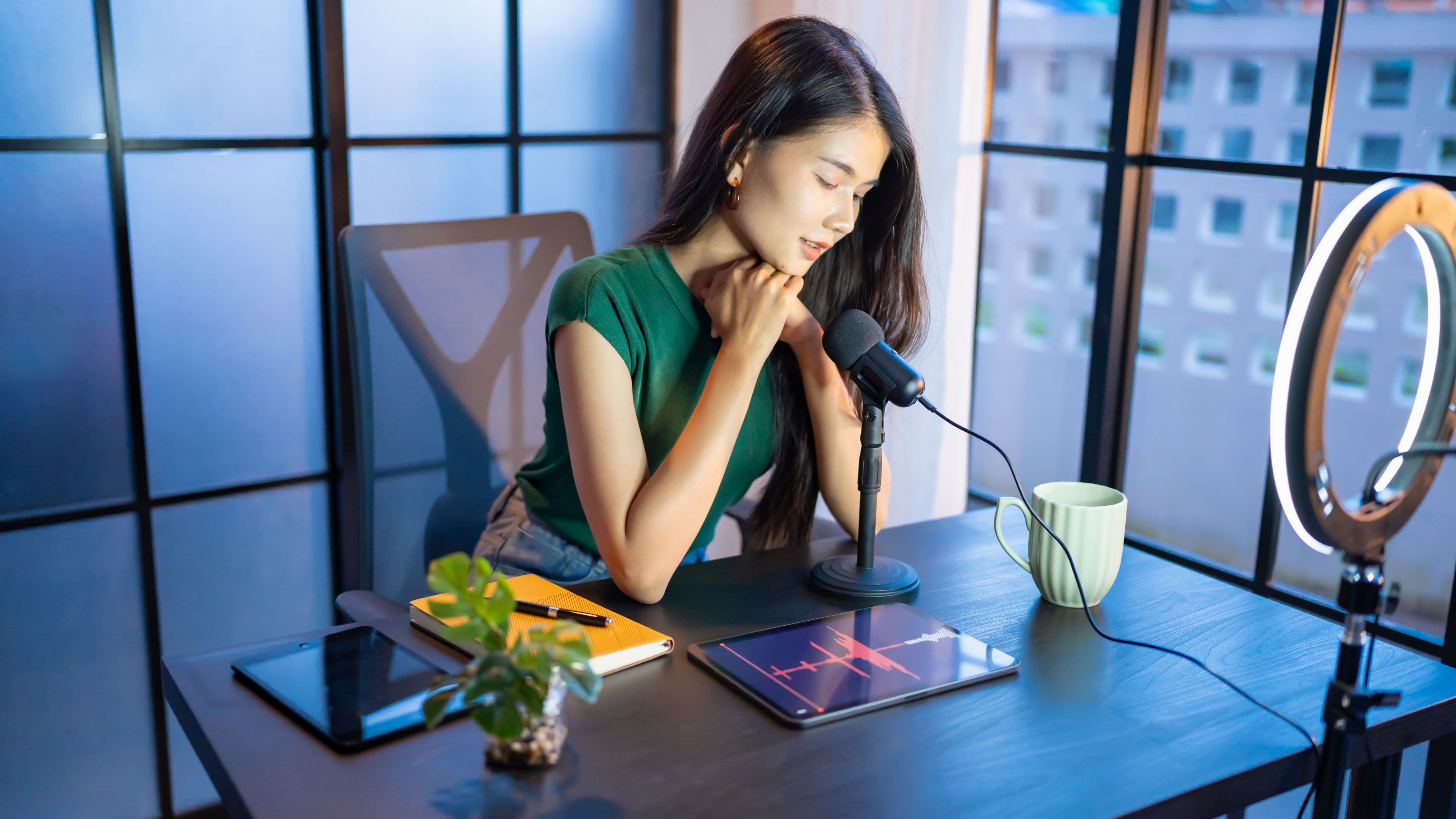
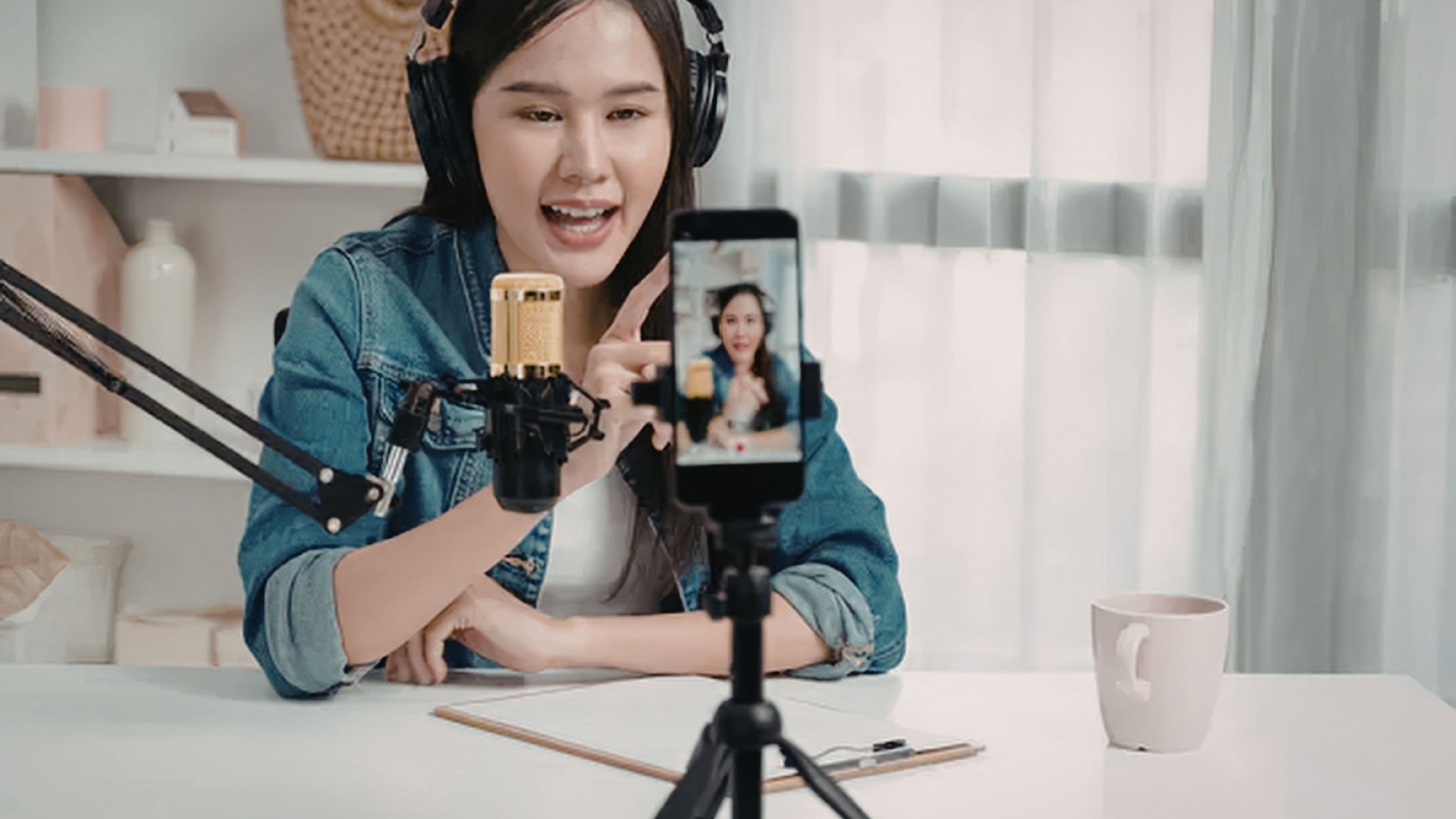
When a 21-year-old makes a TikTok about how TikTok is destroying her attention span and it gets three million views, that's not irony slipping past her – that's the point. She knows exactly what she's doing. The content is the critique. This meta-awareness is a genuinely new thing, and it shapes how social platforms are being used in ways that weren't possible before.
Why They Can't (and Don't Fully Want to) Leave
The honest answer here involves a few overlapping forces that are worth unpacking separately.
Social infrastructure is built into these platforms
For Gen Z, social media isn't an add-on to social life – it often is social life. Group chats happen on Instagram. Event invitations go through BeReal and Discord. Keeping up with what's happening in a friend group frequently requires being on the same platforms as that friend group. Leaving isn't just leaving an app; it's partially opting out of a communication layer that runs through your relationships. That's a very different calculation from older generations who built their social connections offline first.
The dopamine loop is precisely engineered
This isn't a conspiracy theory – it's documented product design. Variable reward schedules, infinite scroll, notification systems calibrated to interrupt at the right moment, like counts that function as social validation signals – these are all intentional features built to maximize time-on-app. Gen Z is uniquely aware of this. They've grown up watching documentaries like The Social Dilemma, reading about attention economics in school, and being exposed to more public conversation about algorithmic manipulation than any previous generation. But awareness of a trap doesn't automatically make you immune to it. Knowing that slot machines are designed to be addictive doesn't make casinos less crowded.
FOMO has a professional dimension now
For a growing number of young people, social media isn't just social – it's economic. The creator economy has normalized the idea that a platform presence is a form of professional leverage. Even people who have no interest in becoming full-time influencers may maintain accounts because visibility matters for job opportunities, freelance work, brand building, or simply being taken seriously in creative or entrepreneurial spaces. Walking away entirely has real costs that weren't there a decade ago.
The Platforms They're Actually Moving To
One of the clearest signals of Gen Z's ambivalence is the pattern of platform migration. They haven't abandoned social media – they've abandoned specific versions of it.
Facebook is functionally dead for this generation as a social platform (it survives mostly as a marketplace and event tool for older demographics). Twitter/X has shed enormous amounts of Gen Z users since 2022, with many moving to Mastodon, Bluesky, or Threads, or simply stopping microblogging entirely. Instagram's influence has declined among younger cohorts, though it remains important. TikTok, Discord, BeReal, and more niche community platforms like Letterboxd, Goodreads, and genre-specific forums have gained significant ground.
The pattern is consistent: movement away from platforms that feel performative, public, and algorithmically hostile toward spaces that feel more intimate, interest-driven, and less optimized for viral reach. Discord servers organized around specific interests. Subreddits with tight community norms. Group chats. Private accounts. The direction of travel is toward smaller, lower-stakes, more intentional spaces – which is itself a form of social media use, just one that looks different from the broadcast model of the 2010s.
The "Aesthetic Authenticity" Trend Is Its Own Performance
One of the more interesting wrinkles in all of this is the "authenticity" movement within social media itself. Messy flat lays. Unedited selfies. Casual photo dumps. "Real life" content that deliberately rejects the hyper-curated aesthetic that dominated Instagram in the 2015–2020 era. Gen Z has largely driven this shift, and it's real in the sense that the aesthetic norms genuinely changed.
But it's also worth noting that performed authenticity is still a performance. A carefully selected set of "unfiltered" photos is still curated. A "this is my real life" TikTok still went through shoot, edit, caption, post. The impulse to reject inauthenticity has itself been absorbed into content formats and trends. That's not necessarily cynical – it's just how platform culture works. Norms shift, aesthetics evolve, but the underlying logic of content creation (make something, publish it, watch how people respond) doesn't disappear. It adapts.
What This Means for the Platforms Themselves
The social media companies are paying attention to all of this, and it's influencing product decisions in visible ways. Instagram has repeatedly walked back features that felt too algorithmic or too TikTok-ish in response to user backlash – including a public reversal on video-first feeds in 2022 after significant Gen Z pushback. TikTok has introduced screen time management tools and periodic "digital wellbeing" prompts, which is a fascinating acknowledgment from a platform whose entire business model depends on maximizing engagement.
There's also a longer-term strategic question for these platforms. Gen Z's distrust of advertising, influencer content, and algorithmic feeds is a structural problem for businesses built on exactly those things. If the generation that grew up native to these platforms is also the most skeptical of their core value proposition, that's not just a user experience problem – it's a business model problem that will need solving over the next decade.
The Bigger Picture
What you're really watching with Gen Z and social media is the first generation of users who are genuinely post-utopian about the internet. Millennials grew up with some version of the belief that the internet was fundamentally liberating – that social media would connect, democratize, and empower. Gen Z inherited the internet after the disillusionment set in. They never had that faith, so they can't lose it. What they have instead is a clearer-eyed, more transactional relationship with platforms: useful tools, worth using for specific purposes, not to be trusted with your identity or sense of self.
The constant use and simultaneous rejection makes complete sense from that vantage point. You use the tools that work. You stay suspicious of the ones that want something from you. And you make content about the whole mess, because that's also just what you do now.
FAQ
Is Gen Z actually using social media less than Millennials did? Not in terms of raw time – data shows Gen Z spending significant hours daily on social platforms. The difference is more attitudinal: higher distrust, more stated desire to reduce use, and stronger cultural norms around critiquing platform design and influence.
Which platforms are actually growing with Gen Z right now? TikTok remains dominant. Discord has grown significantly for community and gaming-adjacent use. BeReal had a moment and has leveled off. Niche platforms like Letterboxd, Goodreads, and interest-specific subreddits have strong Gen Z presence. Bluesky and Threads are gaining traction as Twitter/X alternatives.
Is the "digital detox" trend real or performative? Probably both, and the distinction matters less than it seems. Whether someone genuinely disconnects or just posts about disconnecting, the cultural norm being established is that constant availability is something to be managed rather than celebrated – and that norm does shape behavior over time.
Why do Gen Z users distrust influencer content specifically? A combination of factors: early exposure to influencer marketing as a transparent commercial format, high-profile instances of influencer fraud (fake followers, misleading promotions), FTC disclosures making sponsored content more visible, and a general cultural shift toward valuing peer recommendations over aspirational ones.
Does this shift affect how brands should think about reaching Gen Z? Yes, significantly. Highly produced brand content and traditional influencer deals perform worse with Gen Z audiences than community-driven approaches, creator partnerships that feel genuinely aligned, and content that doesn't feel like an ad. The bar for perceived authenticity is higher, and the tolerance for obvious performance is lower.
📚 Sources
Pew Research Center – Teens, Social Media and Technology 2023: https://www.pewresearch.org/internet/2023/12/11/teens-social-media-and-technology-2023/
Common Sense Media – The Common Sense Census: Media Use by Tweens and Teens 2021: https://www.commonsensemedia.org/research/the-common-sense-census-media-use-by-tweens-and-teens-2021
The Guardian – How Gen Z Fell Out of Love With Social Media: https://www.theguardian.com/technology/2023/jun/03/gen-z-social-media
Harvard Business Review – The Creator Economy: https://hbr.org/2020/04/the-creator-economy-needs-a-middle-class
The Verge – Instagram Reverses Course on Video-First Feed: https://www.theverge.com/2022/7/26/23279501/instagram-reverses-course-feed-recommendations-video-following-tab