Here's what's actually happening, why it matters, and where this trend seems to be heading next.
What TikTok Shop Actually Is
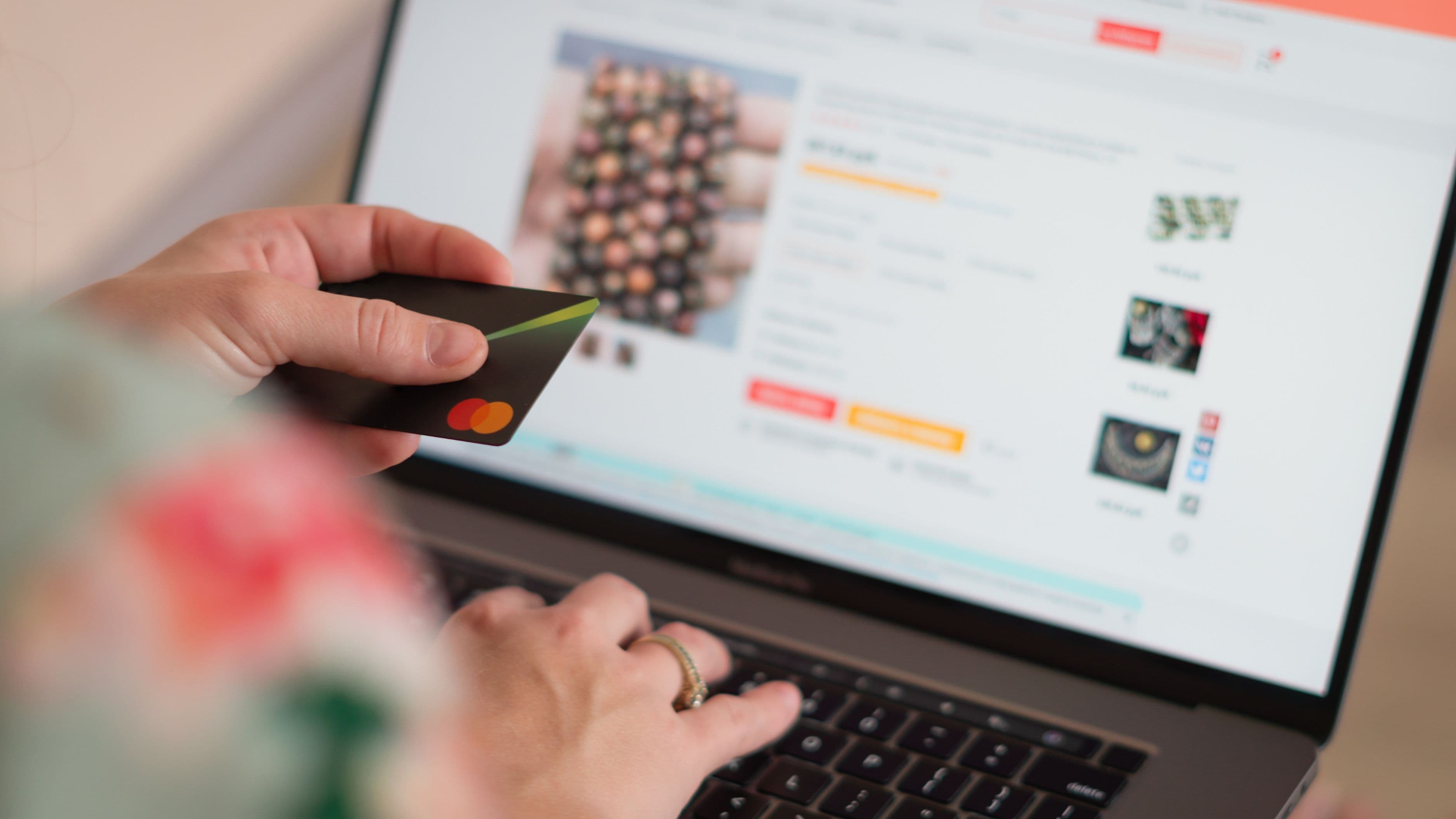
TikTok Shop is an integrated e-commerce feature built directly into the app, letting creators and brands sell products without sending anyone outside of TikTok itself. Instead of a video linking out to a separate store, the entire purchase – browsing, checkout, and payment – happens inside the same interface where you were just scrolling.
This might sound like a small technical detail, but it's actually the core of why it's had such an outsized impact. Every previous generation of social commerce (Instagram Shopping, Pinterest product pins, YouTube affiliate links) still required a jump to another site, and that jump is exactly where a huge percentage of potential buyers drop off. Removing that step changes the math on conversion rates significantly.
Why This Matters
It compresses the entire buying journey into seconds. Traditional e-commerce funnels are built around a sequence: awareness, research, comparison, decision, purchase. TikTok Shop collapses most of that into a single scroll-stop moment. A creator shows a product working in a relatable, entertaining context, and the "add to cart" moment happens before the viewer has even consciously decided to shop.
It shifts marketing spend toward creators, not just ads. Brands are increasingly funding creator partnerships and affiliate-style TikTok Shop arrangements instead of pouring budget purely into traditional paid ads. A single creator with a modestly sized but trusting audience can move meaningful volume of a product, sometimes outperforming much larger ad spends from bigger accounts.
It's forcing other platforms to respond. Instagram, YouTube, and even Amazon have been building out their own short-video-to-purchase features in response, recognizing that the "watch and immediately buy" behavior TikTok normalized isn't staying contained to one app.
It rewards specific, visual, demonstrable products. Items that show well in short video – beauty tools, kitchen gadgets, unusual fashion pieces, novelty items – tend to perform disproportionately well on the platform, while products that require more explanation or consideration don't translate as naturally to the format.
The Real-World Impact So Far
Retailers and independent sellers have reported viral TikTok Shop moments turning niche or previously unknown products into bestsellers almost overnight, sometimes selling out inventory within days of a video gaining traction. This "TikTok made me buy it" phenomenon has become significant enough that it shows up as a recognizable trend across retail industry reporting, not just anecdotal social media chatter.
It's also changed what kind of content actually sells. The polished, studio-lit product photography that dominated earlier e-commerce has given way to something rawer and more native to the platform – handheld video, natural lighting, a creator genuinely reacting to a product in real time. Overly polished, ad-like content tends to underperform compared to something that feels like a genuine recommendation from a friend.
Where It's Headed
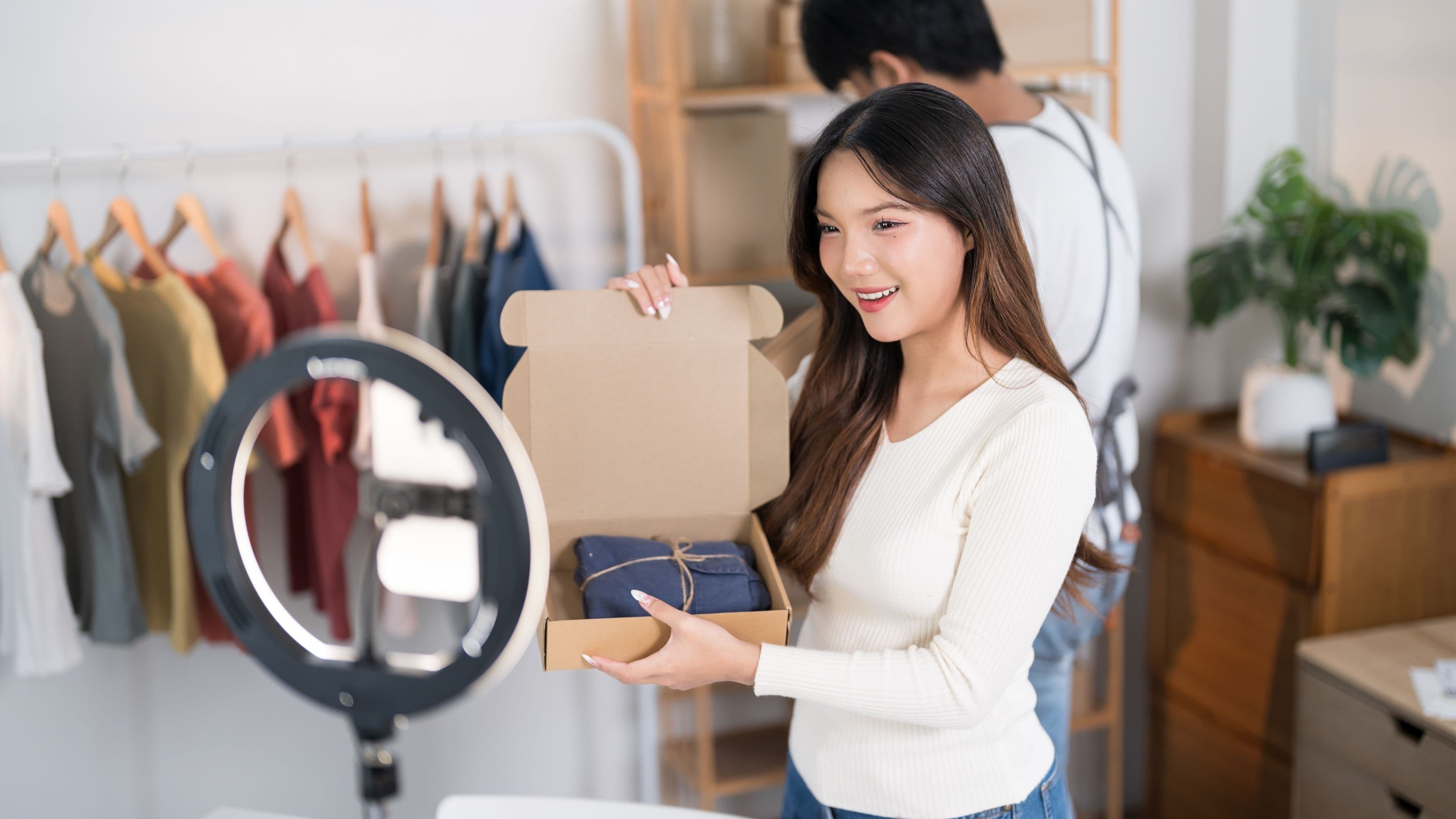
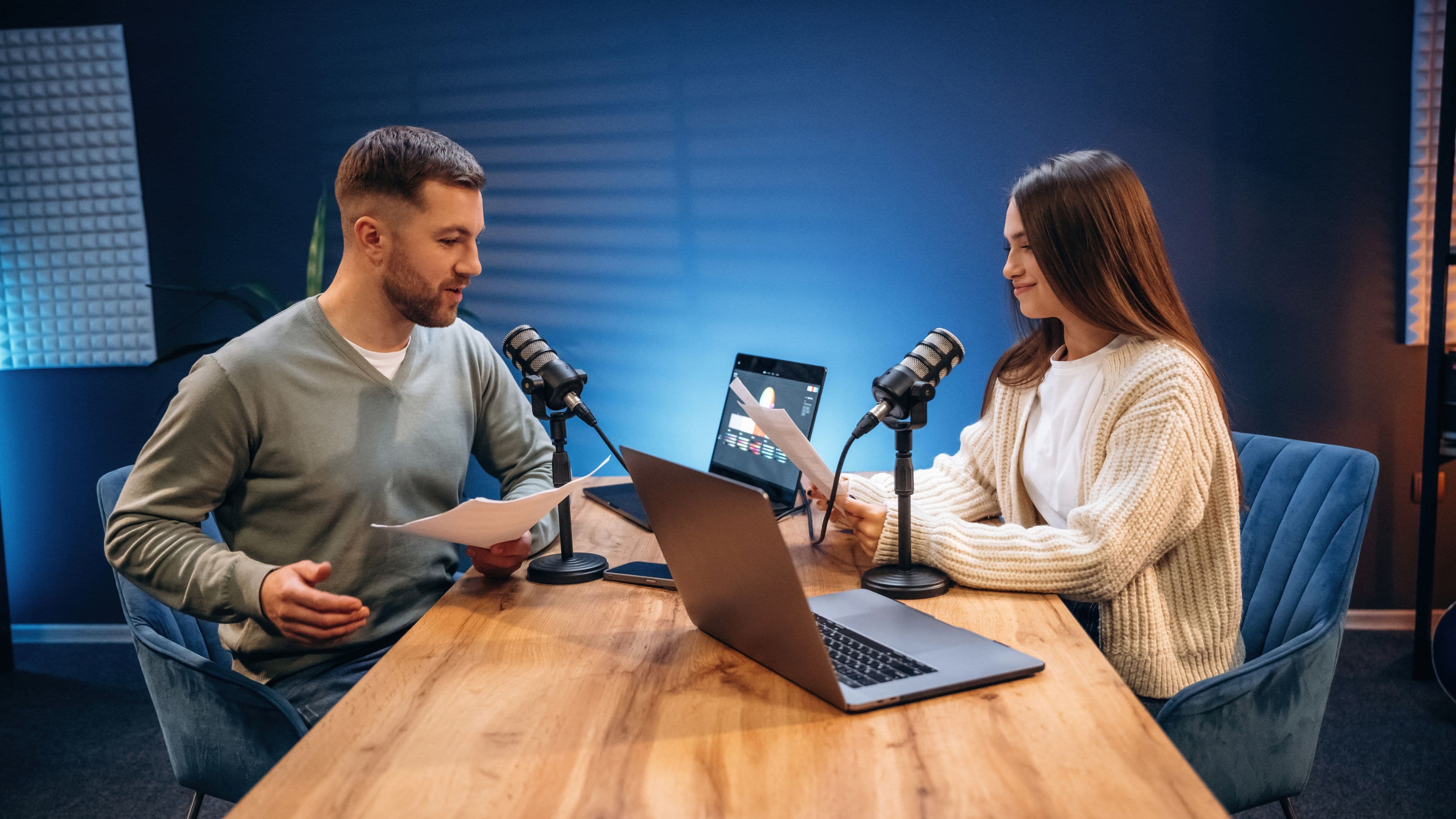
Live shopping is becoming an increasingly central part of the TikTok Shop model, with creators hosting live streams where viewers can purchase in real time while watching a product demonstration unfold. This format, already massive in markets like China through platforms like Douyin, appears to be following a similar growth path in Western markets, albeit at an earlier stage.
There's also a growing emphasis on smaller, niche creators rather than only mega-influencers. Micro and mid-tier creators with highly engaged, trust-based audiences are proving to be efficient sales channels, which is shifting how brands think about influencer marketing budgets more broadly – spreading spend across many smaller creators rather than concentrating it in a handful of big names.
What This Means for Everyday Shoppers and Sellers
For shoppers, it means impulse purchasing has become significantly frictionless, which is worth being mindful of if you've noticed your cart filling up faster than intended while scrolling. For small business owners and independent sellers, it represents a genuinely accessible new sales channel that doesn't require the ad budget of traditional e-commerce marketing, though it does require adapting to a very specific, fast-paced content style to succeed.
FAQ
Is TikTok Shop available everywhere? It launched first in select markets and has been expanding gradually, including a notable rollout in the U.S. Availability and specific features can vary by region.
Do I need a large following to sell successfully on TikTok Shop? Not necessarily. Plenty of smaller creators and accounts with modest followings have had individual videos go viral and drive significant sales, since the algorithm surfaces content based on engagement rather than follower count alone.
Is buying through TikTok Shop safe? Generally yes, as purchases go through TikTok's own payment and order system rather than an external site, though as with any marketplace, it's worth checking seller ratings and reviews before buying from unfamiliar sellers.
Bottom Line
TikTok Shop isn't just another sales channel bolted onto a social app. It represents a genuine shift in how the path from "seeing something" to "owning it" works, collapsing what used to be a multi-step journey into a near-instant decision. Whether that's ultimately good for consumers' wallets is a separate question, but as a force reshaping e-commerce, its influence is already visible across the wider industry.
📚 Sources
TikTok Shop – Official Business Overview. tiktok.com
eMarketer – Social Commerce Growth Trends. emarketer.com
Retail Dive – TikTok's Impact on Retail Sales. retaildive.com