
What's Actually Happening
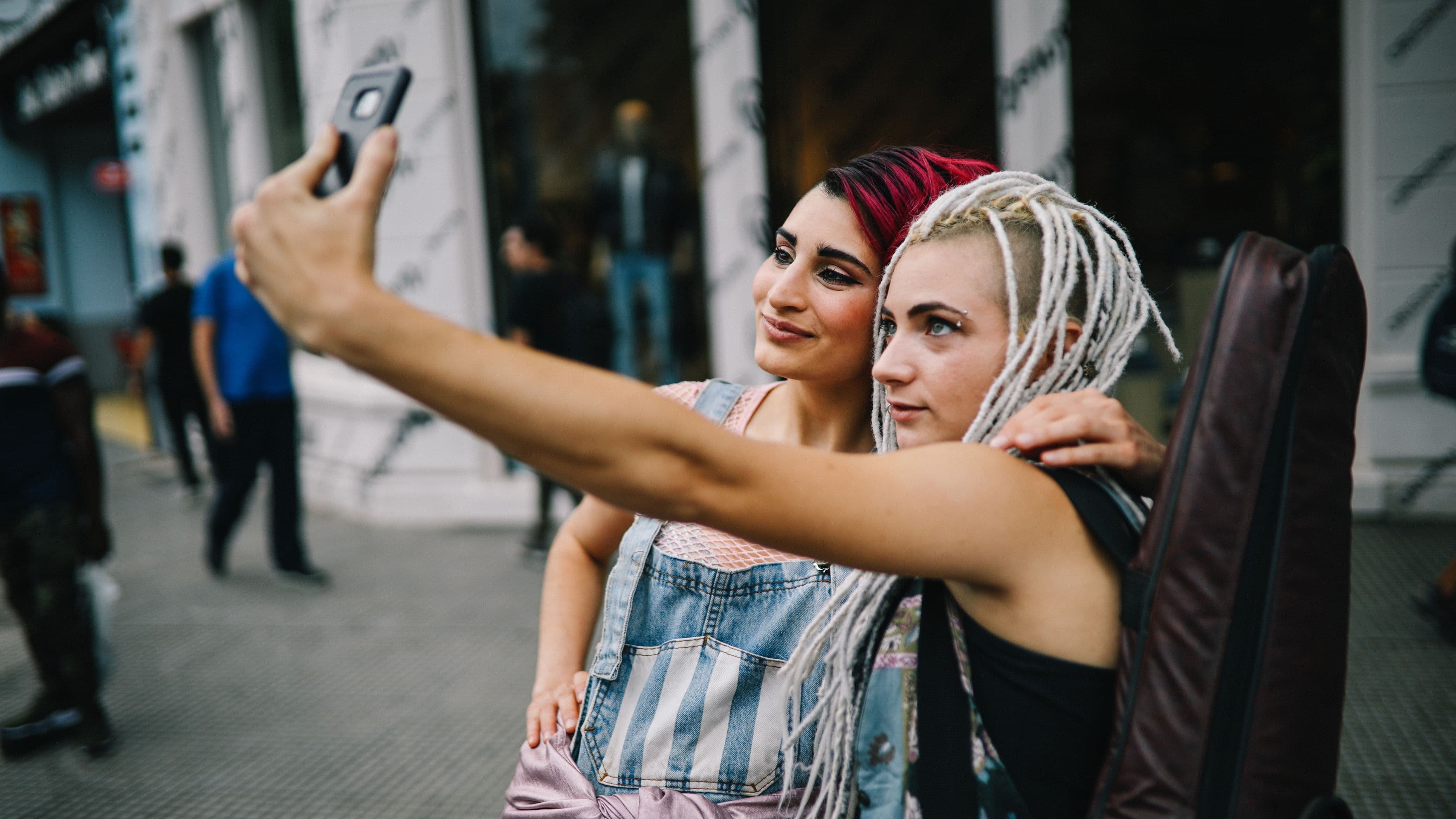
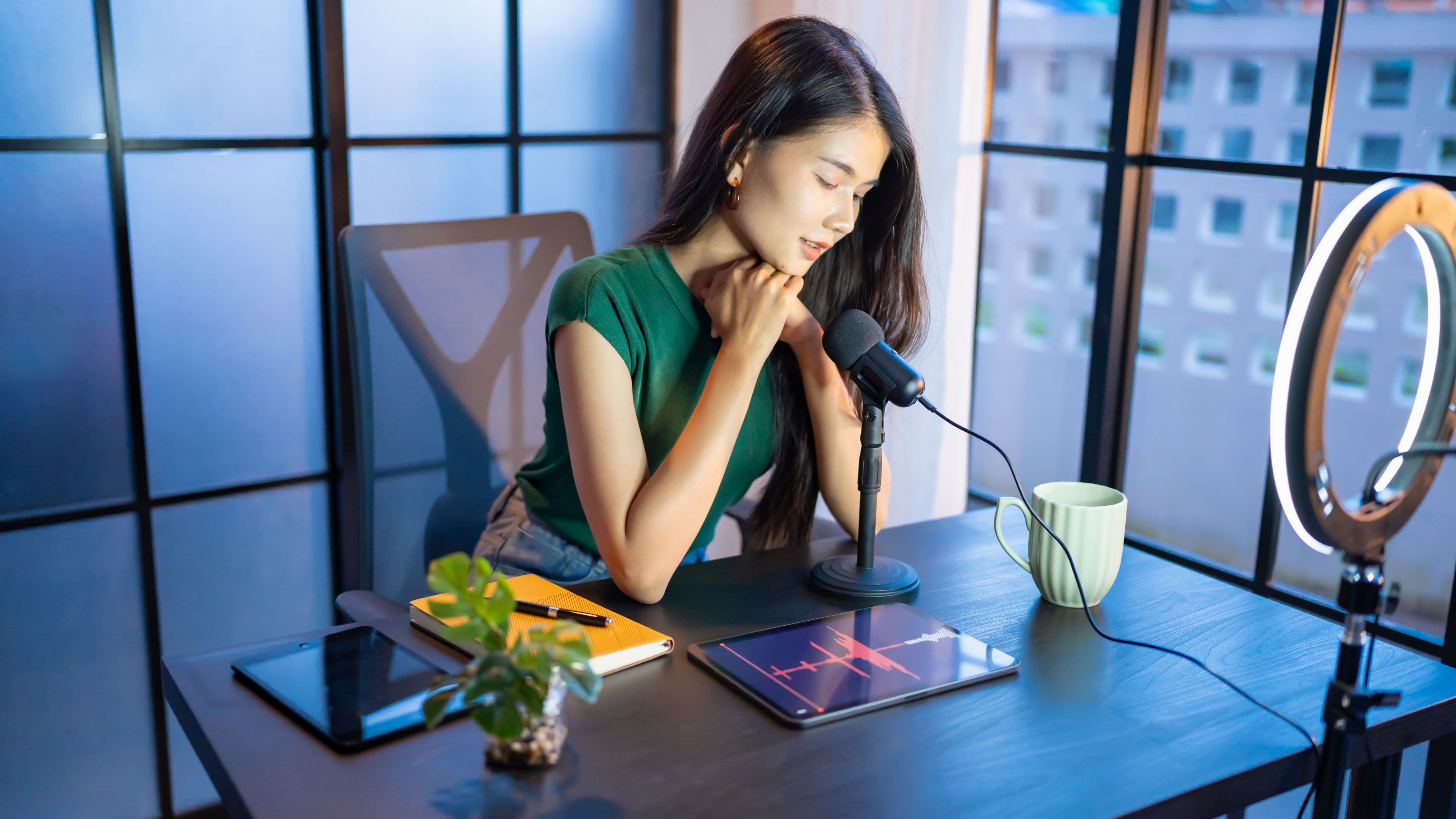
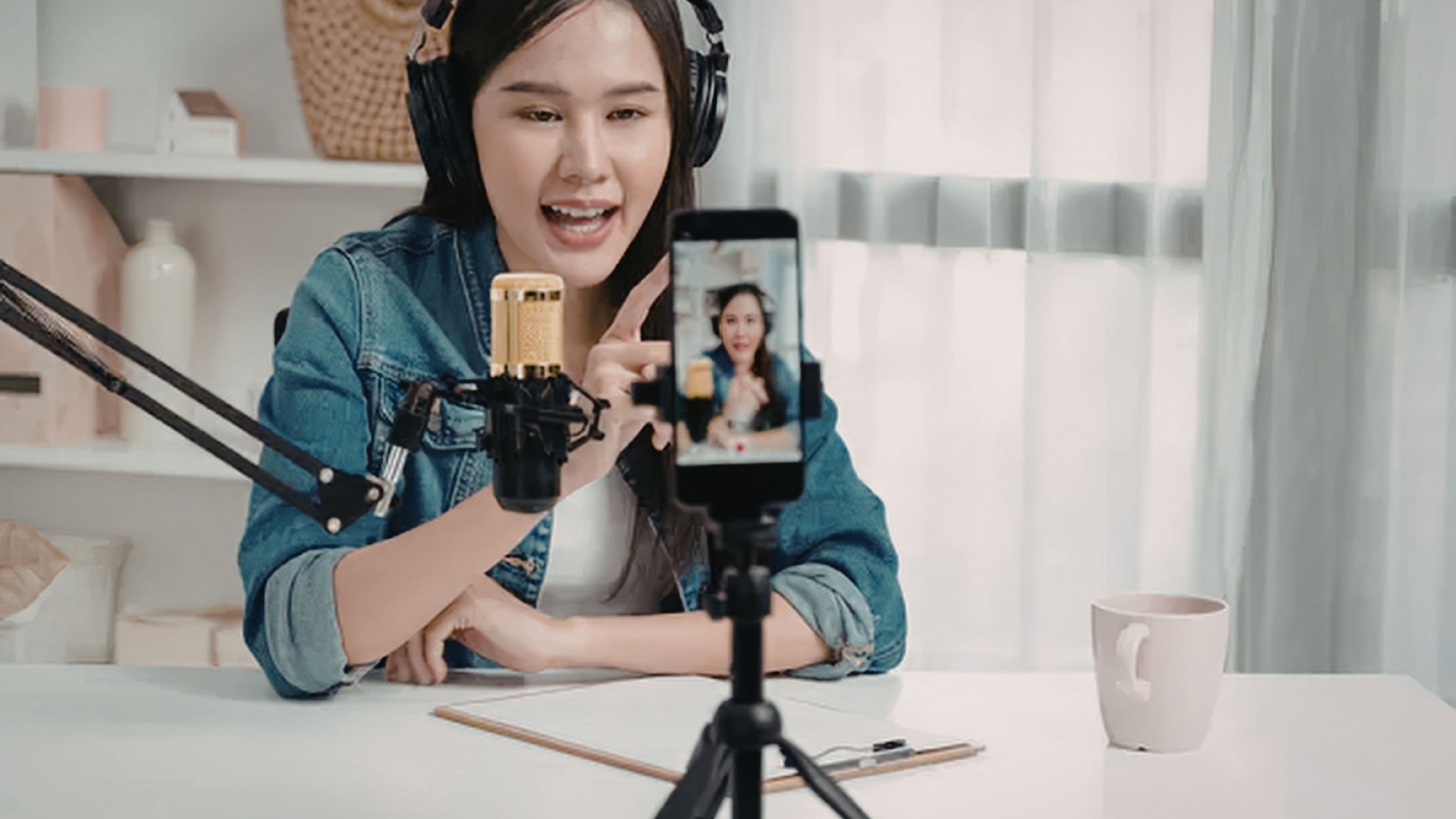
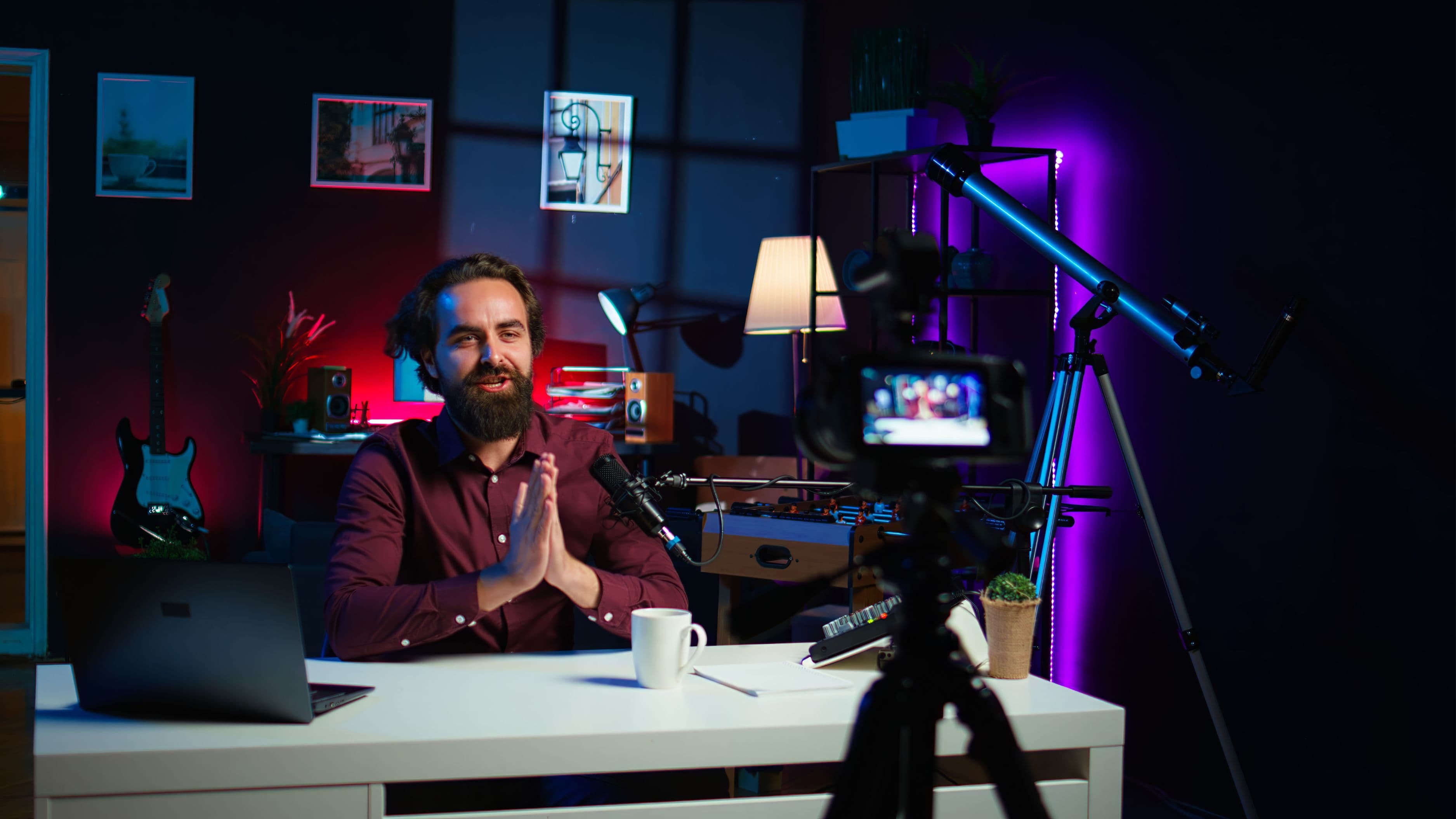
Creator burnout looks different from traditional workplace burnout because the job never fully turns off. A creator isn't just producing content; they're maintaining a parasocial relationship with potentially millions of people who expect consistent access, consistent output, and consistent emotional availability. There's no equivalent to clocking out, since the algorithm that determines whether your content gets seen rewards constant activity, and stepping away even briefly can mean a real, measurable drop in reach when you return.
This creates a specific kind of pressure that didn't exist for celebrities in previous media eras. A musician or actor from decades ago could disappear for months between projects without it threatening their career. A creator today who goes quiet for even two or three weeks often sees engagement drop noticeably, which means the platform itself is quietly punishing the exact kind of rest that prevents burnout in the first place.
Why It Matters: The Algorithm Problem
Modern content platforms reward frequency and consistency above almost everything else. The recommendation systems that decide who sees your content are built to favor accounts that post regularly, which means creators are essentially incentivized to treat their personal life, or the appearance of one, as constant raw material for content. This blurs the line between someone's actual life and their job in a way that few other professions experience so directly.
This matters beyond individual creators feeling tired. It shapes what kind of content actually succeeds on these platforms. Creators who are willing to overshare, post constantly, and treat every part of their life as potential content often outperform those trying to maintain healthier boundaries, which sets an implicit standard that newer creators feel pressure to match just to stay competitive.
The Financial Pressure Underneath It All
Unlike a salaried job, most creator income is directly tied to output and reach, whether through ad revenue, brand deals, or platform creator funds. A slowdown in posting doesn't just mean less visibility; it often means an immediate, tangible drop in income. This financial structure makes stepping back for genuine rest feel far riskier than it would in a traditional job with a fixed salary, even when a creator recognizes they're burned out.
Brand deals add another layer of pressure, since sponsors typically expect a certain posting cadence and audience size to justify their investment. A creator managing multiple ongoing sponsorship relationships often can't simply pause without financial consequences that ripple beyond just that month's income.
Real-World Impact: What Burnout Actually Looks Like
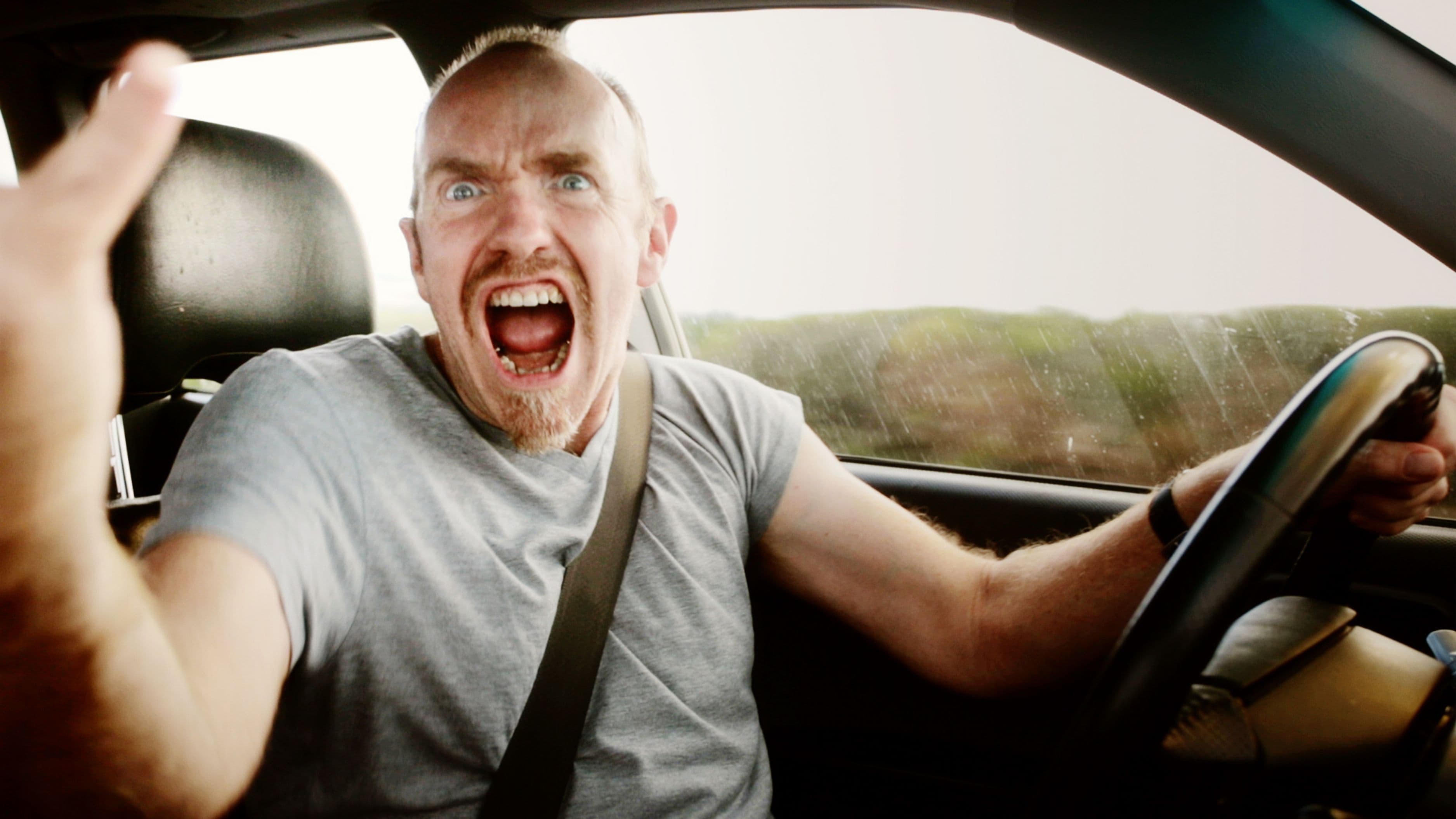
Creator burnout tends to show up gradually before it becomes obvious externally. Increasing anxiety around posting schedules, a growing sense of resentment toward content that used to feel enjoyable, and difficulty separating one's actual identity from an online persona are common early signs. By the time a creator publicly announces a break, they've often been managing these symptoms privately for months.
Several high-profile creators over the past few years have spoken openly about this exact pattern, describing the moment they realized their entire sense of self had become entangled with metrics, view counts, engagement rates, follower growth, that had nothing to do with their actual wellbeing or the quality of their work.
Future Outlook
Some platforms have begun experimenting with features that reduce the pressure for constant output, longer-form content that doesn't require daily posting, subscription models that don't depend as heavily on algorithmic reach. Whether these changes meaningfully shift the underlying incentive structure remains to be seen, since the core business model of most platforms still rewards engagement volume above almost everything else.
There's also a growing conversation among creators themselves about building more sustainable practices: batching content in advance, being transparent with audiences about breaks rather than disappearing suddenly, and diversifying income so no single platform's algorithm controls their financial stability entirely.
FAQ
Is creator burnout different from regular job burnout? The core symptoms, exhaustion, cynicism, reduced sense of accomplishment, are similar, but the always-on nature of platform algorithms and the blurred line between personal life and content make it structurally harder to recover from without a real income hit.
Why don't creators just take breaks more often if burnout is so common? Many do, but algorithmic reach often drops during breaks, creating a financial disincentive that traditional jobs with fixed salaries don't have. This makes rest a genuine risk rather than a straightforward decision.
Are platforms doing anything to address this? Some have introduced features aimed at reducing constant-posting pressure, but the underlying business model, which rewards engagement and frequency, hasn't fundamentally changed across most major platforms.
📚 Sources
Pew Research Center, "The State of Online Creators" – pewresearch.org
Harvard Business Review, "The Creator Economy and Burnout" – hbr.org