This isn't just a difference in topic or format, it's a fundamental split in how shows are produced, monetized, and consumed, and it's reshaping what "success" even looks like for a podcast creator.
The Two Worlds, Defined
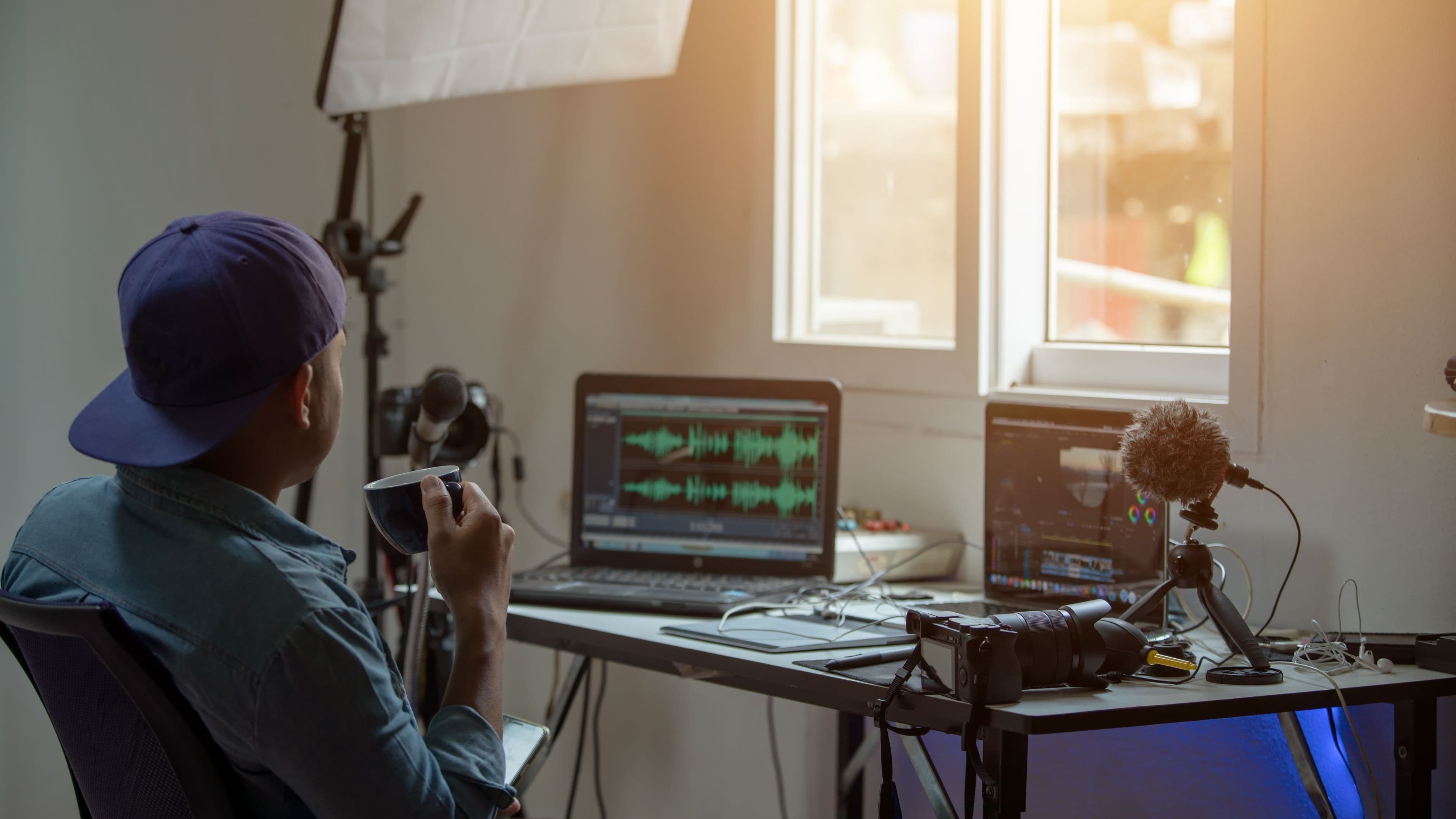
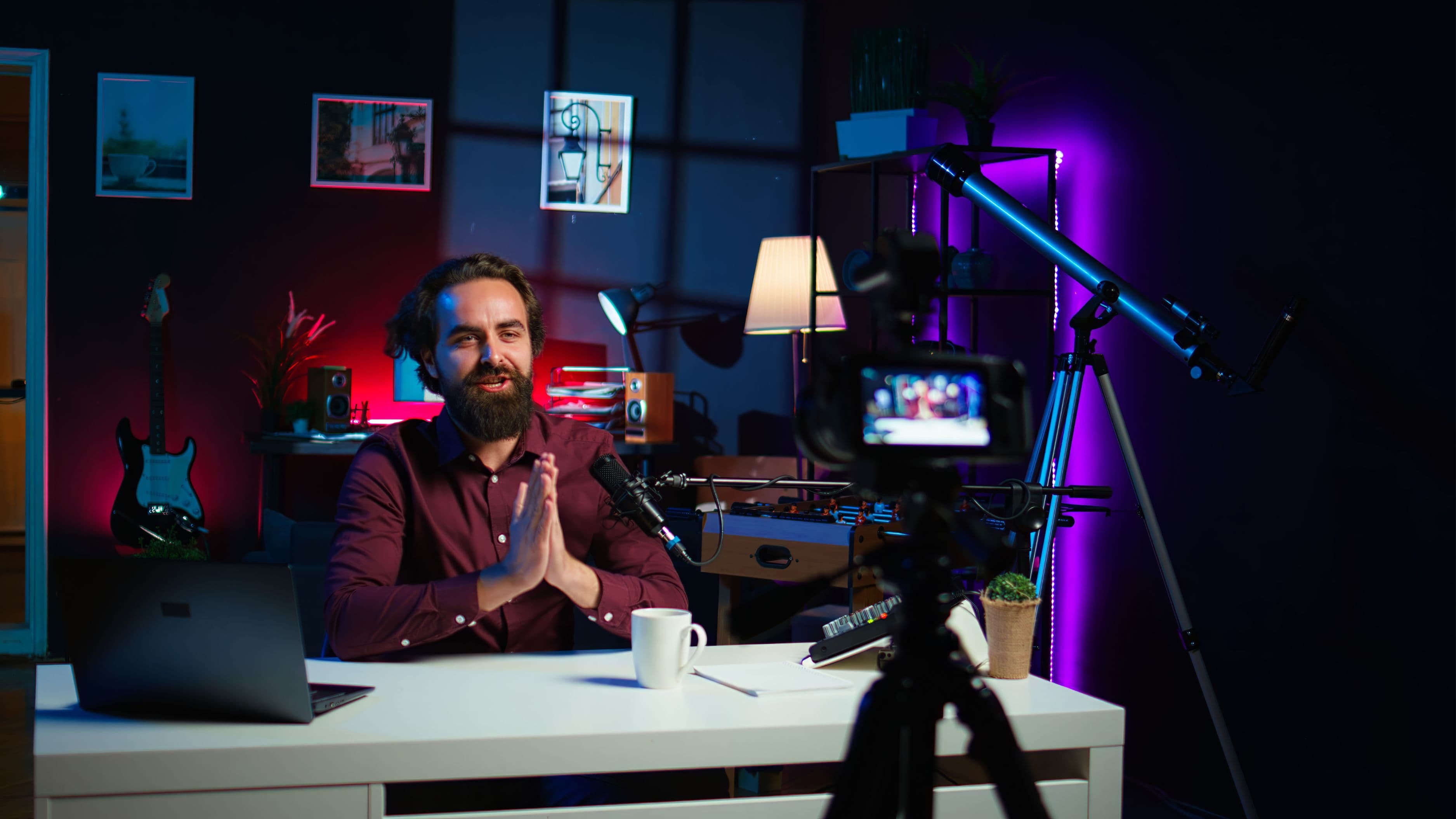
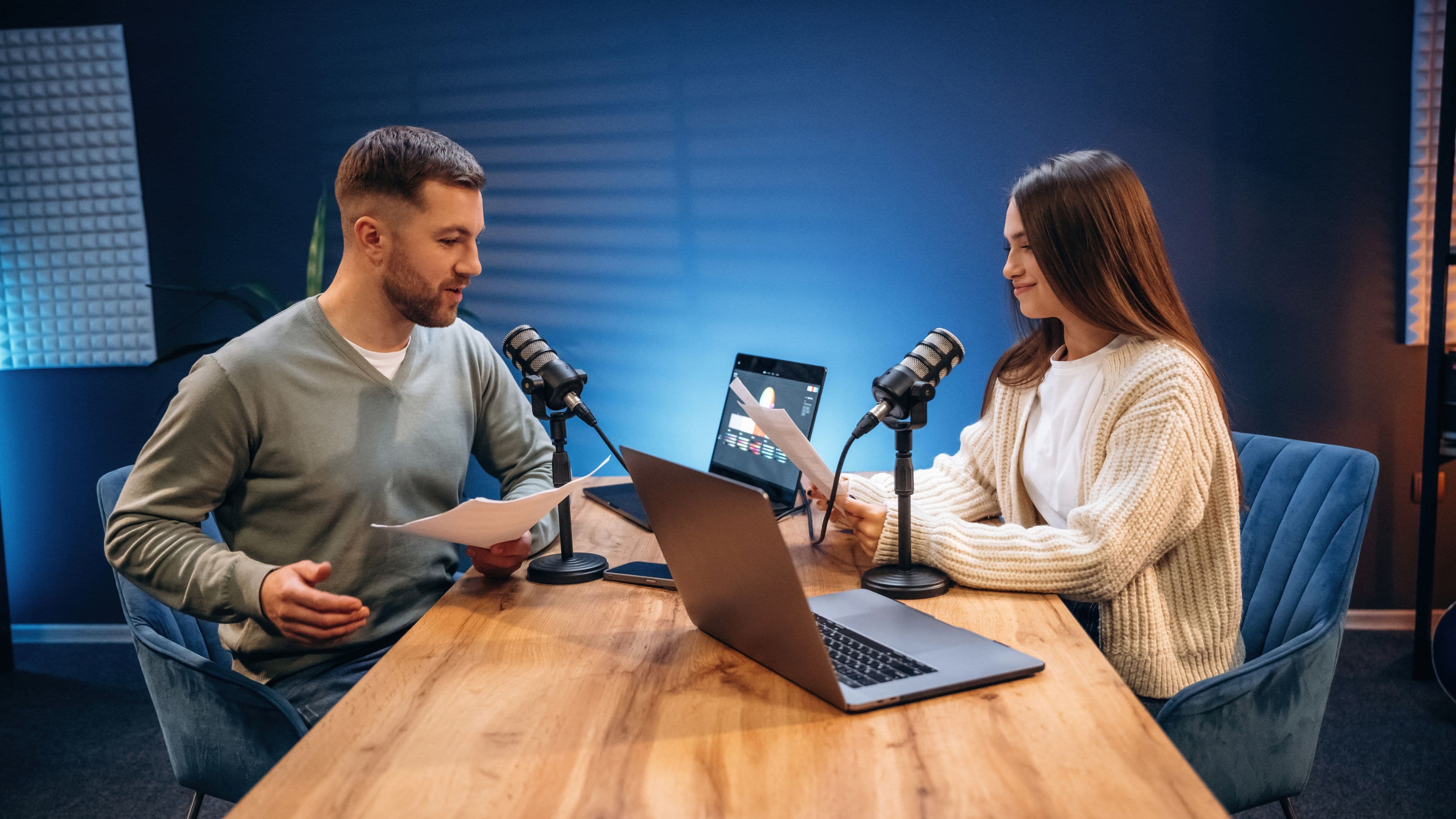
On one side sits the professionalized, video-first podcast world: long-form interview shows filmed in studio setups, clipped aggressively for short-form social platforms, and monetized through massive advertising deals, sponsorships, and platform-exclusive licensing agreements. These shows increasingly function more like television production companies than the scrappy, audio-only format podcasts started as.
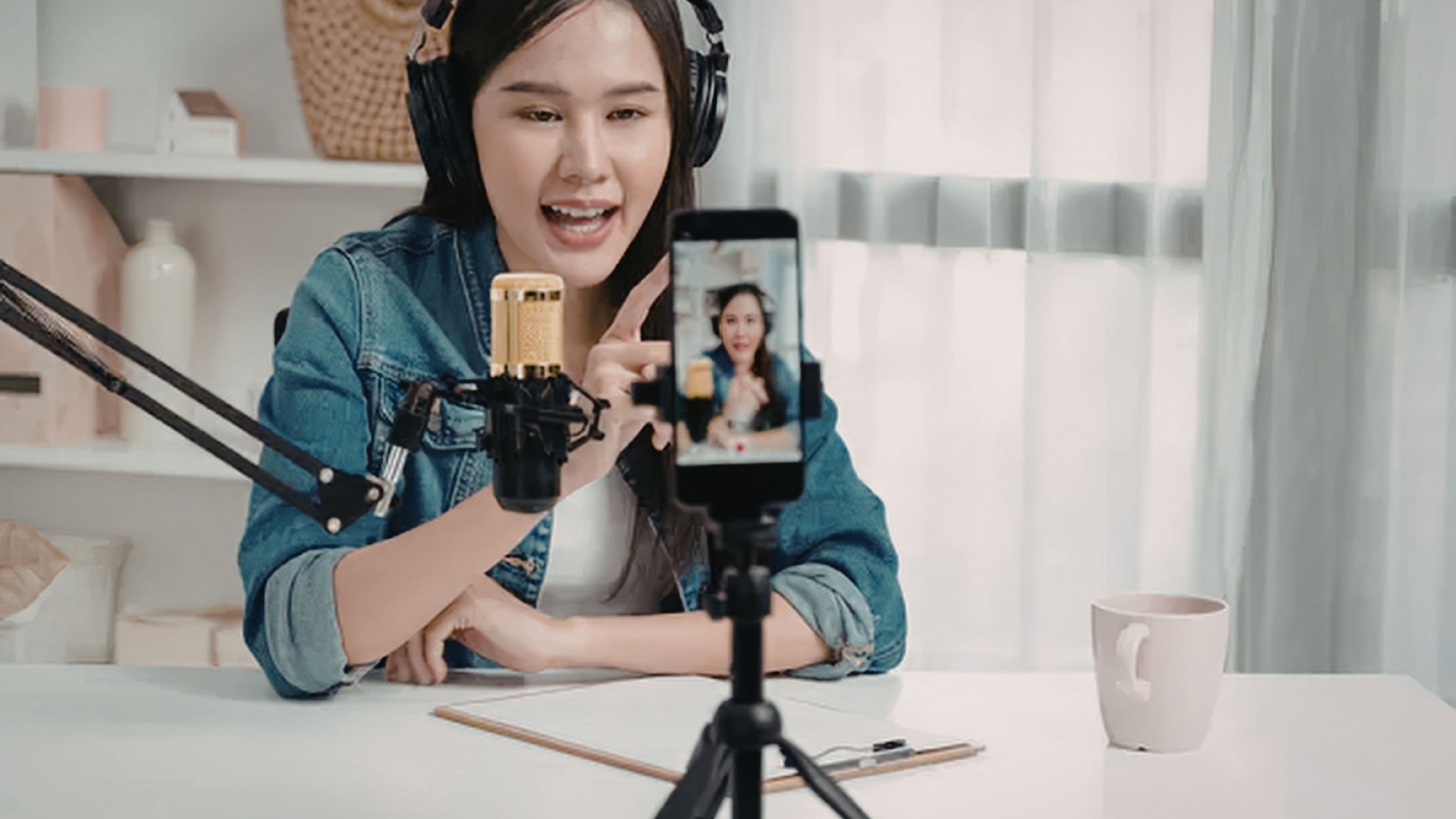
On the other side sits the intimate, audio-first world that still resembles podcasting's original spirit: niche shows built around specific communities, often produced by one or two people with minimal equipment, monetized through direct listener support, small sponsorships, or simply as a passion project without significant commercial ambition. These shows prioritize depth and community connection over reach and virality.
Why This Split Happened
The shift traces back to a few converging forces. Video platforms began rewarding long-form conversational content with substantial ad revenue and algorithmic promotion, which pulled ambitious creators toward video production, professional studios, and a much higher production budget than audio-only podcasting traditionally required.
At the same time, the tools for producing a quality audio-only show became dramatically more accessible, meaning the barrier to starting a niche, community-focused podcast dropped even as the barrier to competing at the top of video-driven charts rose sharply. This created two very different viable paths rather than one shared trajectory that all podcasters were climbing together.
What This Means for Listeners
For listeners, this split has real practical implications. The video-first world increasingly resembles traditional media, professionally produced, algorithm-optimized, and often engineered around clip-friendly, shareable moments rather than sustained, in-depth conversation. This isn't necessarily worse, but it's a different experience than the format's earlier reputation for long, unhurried exploration of a topic.
The audio-first world, by contrast, still offers that original experience for listeners actively looking for it, but discovery has become genuinely harder. Without the algorithmic push that video-native shows benefit from, quality niche podcasts increasingly rely on word-of-mouth, community recommendation, and dedicated listener bases to grow, rather than broad platform discovery.
Why It Matters for Creators
This split forces a real strategic decision for anyone starting a podcast today. Chasing the video-first model requires production investment, consistent output, and often a willingness to prioritize clippable, attention-grabbing moments over depth. Chasing the audio-first, community model requires patience, since growth tends to be slower and less algorithmically rewarded, but it also allows far more creative and topical freedom without needing to optimize every episode for shareability.
Neither path is objectively better, but treating them as the same strategy, as many new creators do, often leads to frustration when the growth patterns and monetization expectations of one world don't match the reality of the other.
The Middle Ground Is Shrinking
What's increasingly rare is the format that dominated podcasting's earlier years: a modestly produced, audio-first show that still manages to build a large mainstream audience purely through strong content and consistent releases. The platforms and algorithms driving discovery today increasingly favor either heavily produced video content or hyper-niche community shows, leaving less room for shows that don't clearly fit either lane.
This has real cultural implications. Some of podcasting's most influential early shows likely wouldn't gain the same traction if launched today under the current discovery and monetization structures now shaping the medium.
Real-World Impact
This split is already visible in where advertising dollars flow, with major brand deals increasingly concentrated in the video-first ecosystem, while niche audio shows rely more heavily on listener-supported models like subscriptions and direct community funding. It's also visible in how new creators approach launching a show, with many explicitly choosing a lane, video-first or audio-community-first, from day one rather than starting audio-only and hoping to grow into video later.
Future Outlook
This divide is likely to deepen rather than resolve, as platforms continue optimizing discovery algorithms around video-native content while community-funding tools continue making niche, audio-first shows more sustainable independent of broad discovery. The practical result is a medium that increasingly functions as two related but distinct industries rather than a single unified one.
FAQ
Which podcast model makes more money? The video-first model generally offers higher revenue ceilings through major sponsorships and platform deals, but it also requires significantly more upfront production investment and consistent output to compete.
Is audio-only podcasting dying out? No, but its growth path has changed. Audio-first shows increasingly rely on community and word-of-mouth growth rather than the broad platform discovery that once helped audio-only shows reach large audiences more easily.
Should a new podcaster pick one lane or try both? Most successful creators pick one lane deliberately based on their resources and goals, since the production requirements and growth strategies for each world differ significantly enough that trying to do both at once often dilutes results.
Outro
Podcast culture isn't fragmenting by accident, it's responding to two very different sets of incentives that have pulled the medium in genuinely separate directions. Understanding which world a show belongs to, and choosing that lane deliberately, matters more now than it ever has before.
📚 Sources
"The State of the Podcast Industry" – Edison Research, edisonresearch.com
"How Video Podcasts Are Reshaping the Industry" – The Verge, theverge.com
"Podcast Advertising Revenue Trends" – Interactive Advertising Bureau, iab.com