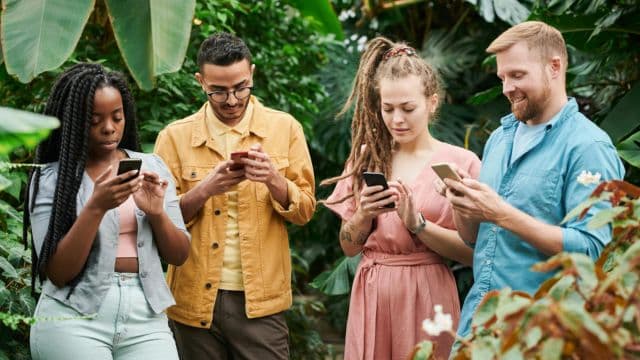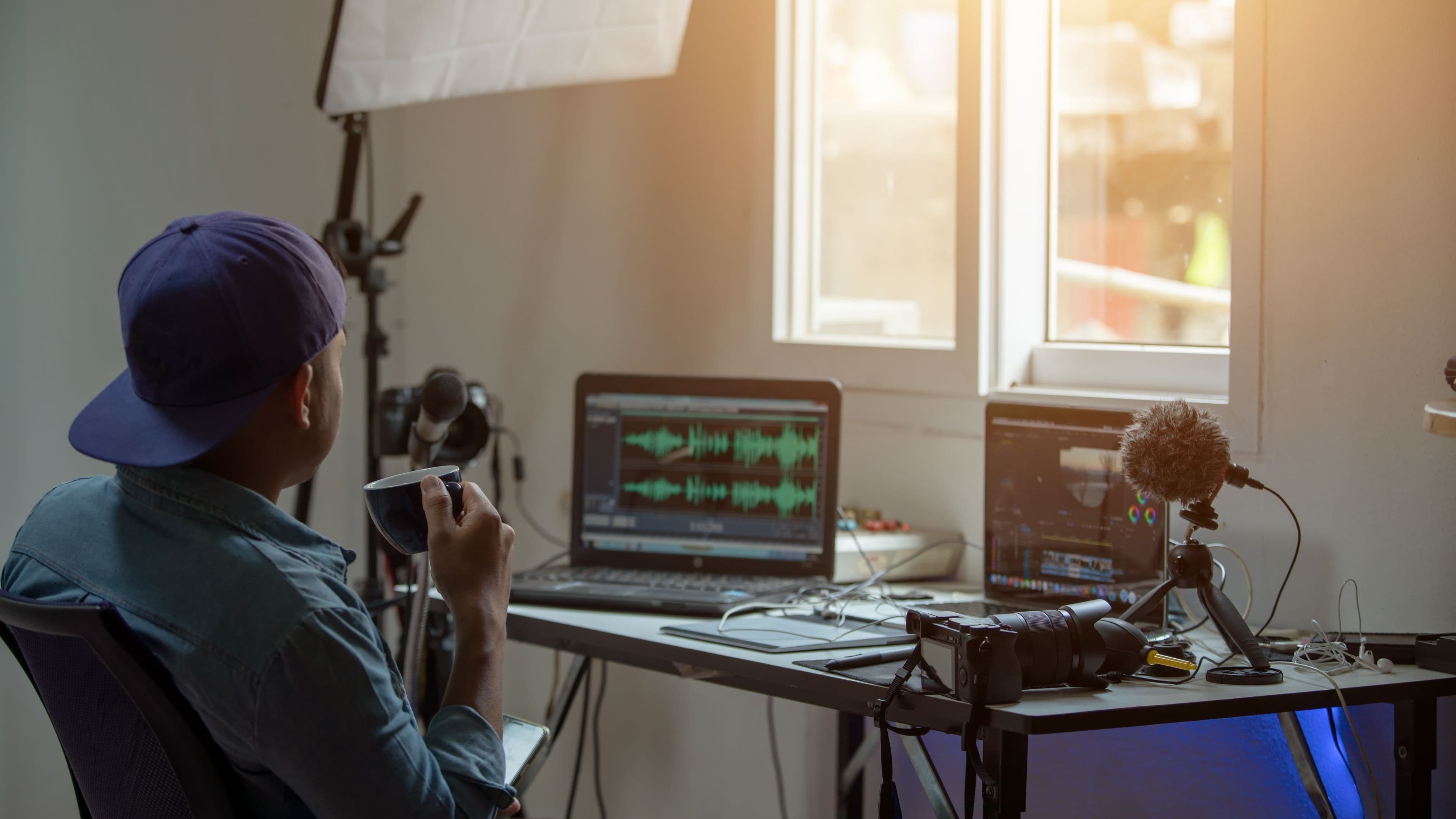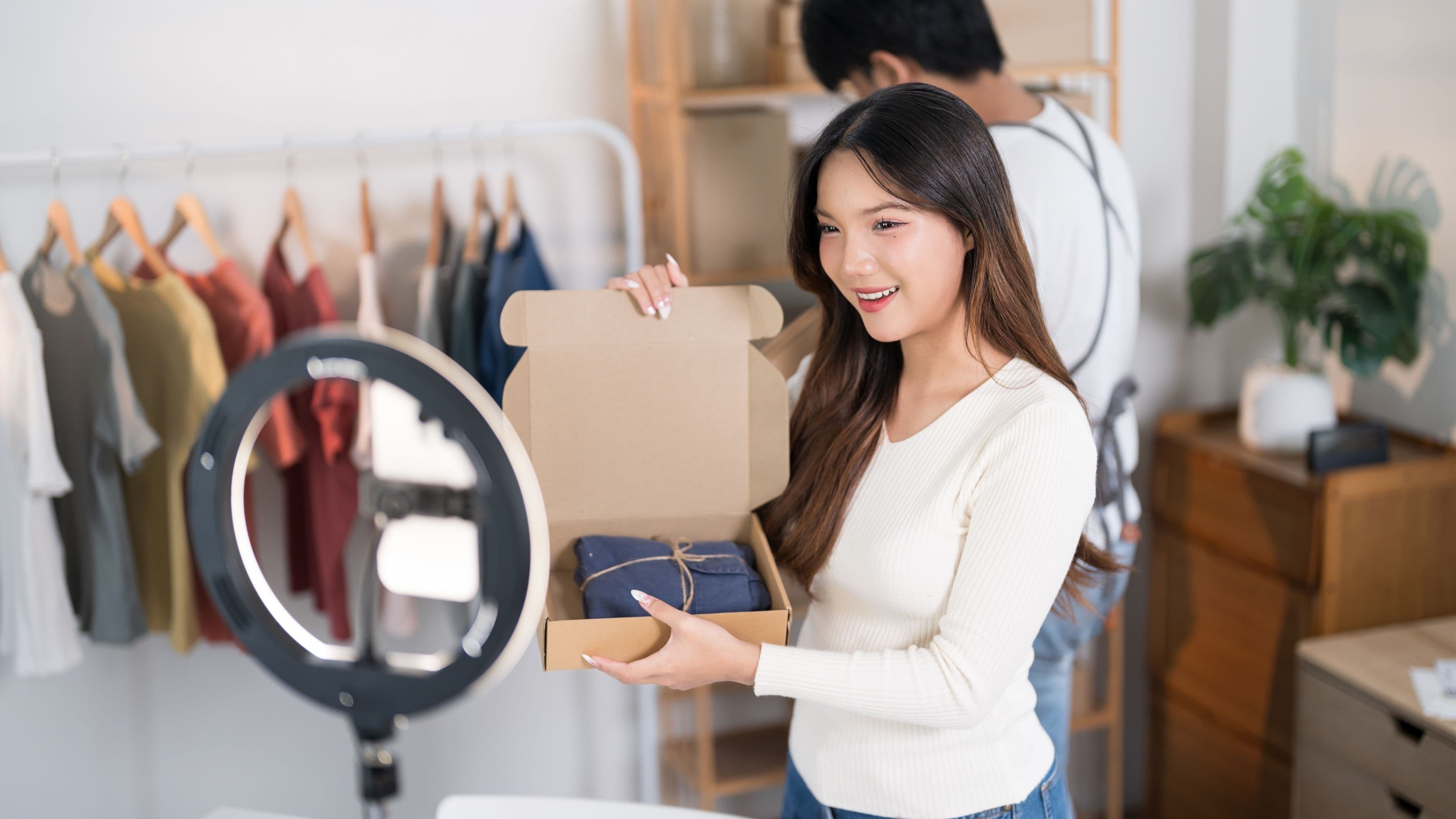
The term sounds clinical, but the experience is deeply human. And as more of our social time moves online, understanding why we form these one-sided bonds with people we've never met tells us something important about how our brains work – and what the internet is quietly doing to our sense of connection.
What a Parasocial Relationship Actually Is
The concept was first defined in 1956 by sociologists Donald Horton and Richard Wohl, long before the internet existed. They noticed that television audiences were developing what felt like genuine relationships with the hosts and characters they watched regularly. Viewers would talk about TV personalities as if they knew them personally, feel emotional investment in their wellbeing, and experience something resembling grief if a beloved show was cancelled or a personality left the air.
Horton and Wohl called these "parasocial interactions" – the para prefix indicating something that runs alongside but doesn't quite qualify as real social interaction. One person knows a great deal about the other; the other doesn't know the first person exists. The relationship is structurally one-sided, but the psychological experience of it isn't. The feelings are real even if the relationship isn't mutual.
What the internet did wasn't invent parasocial relationships – it supercharged them. The intimacy that television could create over weekly scheduled broadcasts, streaming and social media can now generate continuously, across every hour of the day, with a level of perceived closeness that broadcast TV could never manufacture.
Why Our Brains Can't Tell the Difference
The core reason parasocial relationships feel real is that the social brain – the neural architecture we use to process relationships, read emotions, and track other people's intentions – doesn't have a clean mechanism for distinguishing between someone physically present and someone experienced through a screen.
When you watch a creator talking directly to camera, making eye contact with the lens, laughing, sharing a frustration, or confiding something personal, your brain processes those signals using the same social circuitry it would activate if that person were sitting across from you. Mirror neurons fire. You experience something resembling empathy. You form an impression of their personality, values, and emotional state. You begin to build a model of who they are – the same process that underlies all human relationship formation.
The difference is that in a real relationship, this process is bidirectional. The other person is building a model of you at the same time. With a parasocial relationship, the information only flows one way. But your brain doesn't automatically register that asymmetry as a reason to stop engaging socially. It just keeps building the model.
What Makes Online Parasocial Bonds So Strong
Television created parasocial relationships, but the internet took the intimacy to a level that earlier media couldn't approach. Several specific features of online platforms are particularly effective at generating strong parasocial bonds.
Perceived directness
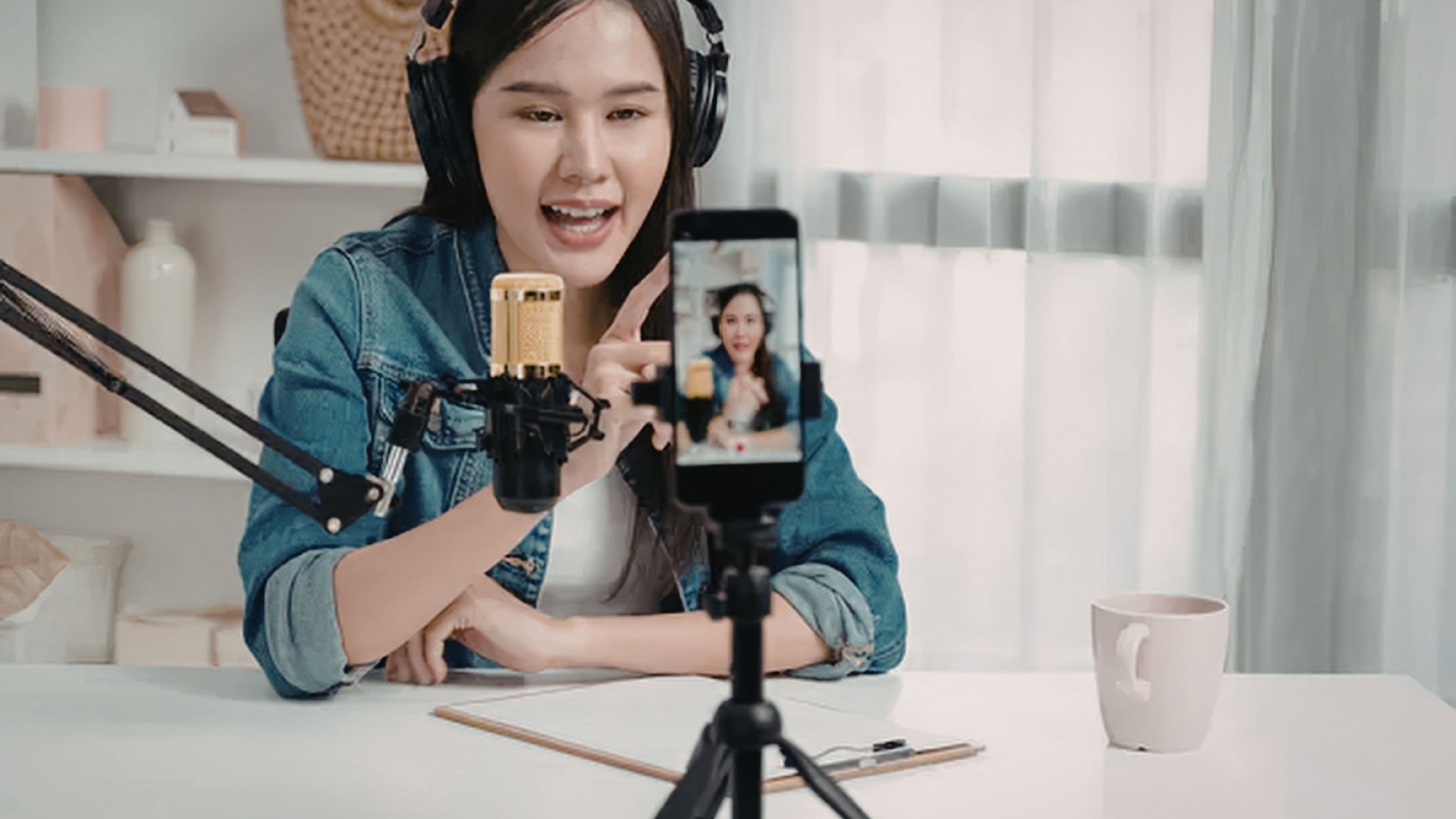
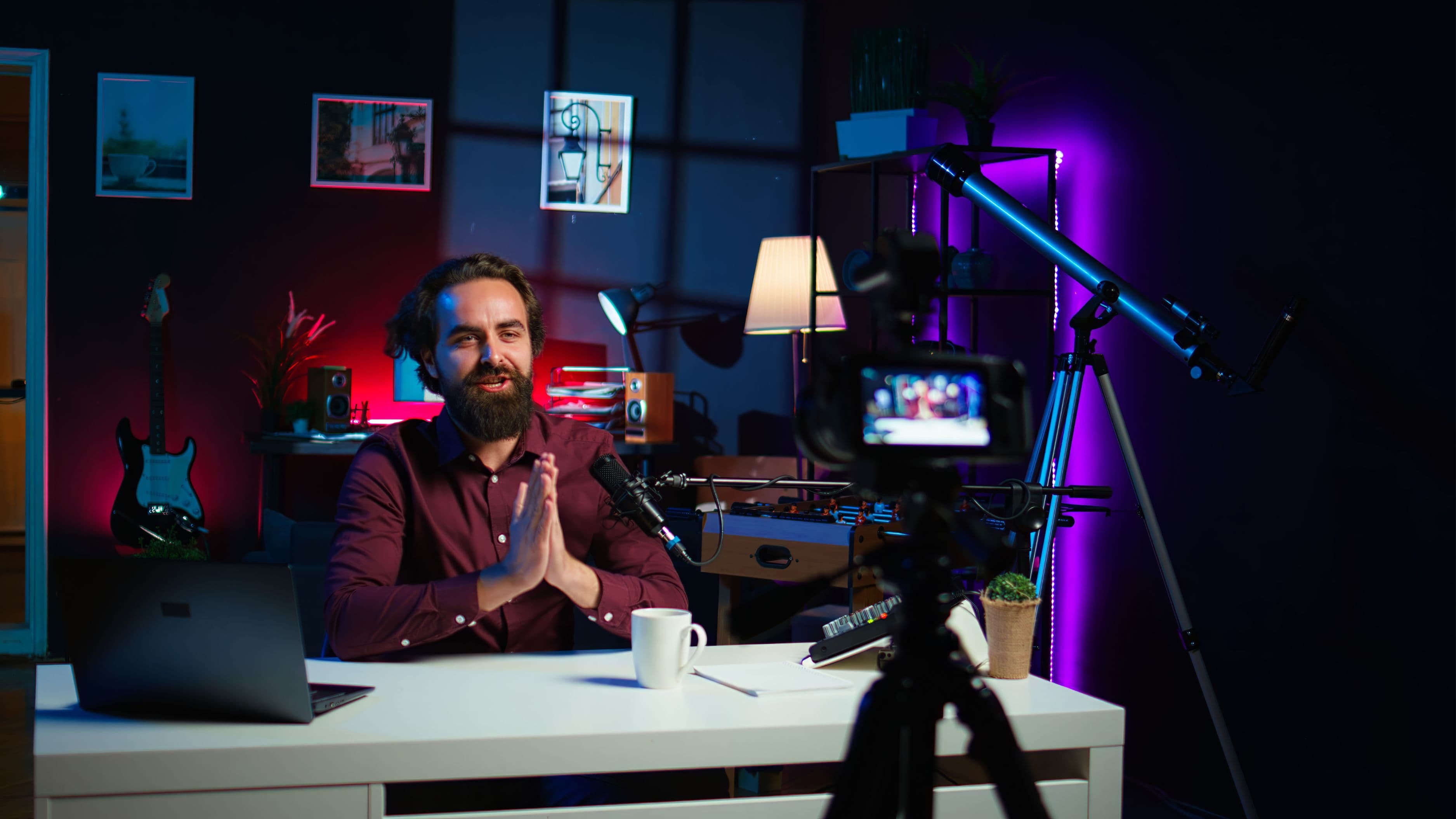
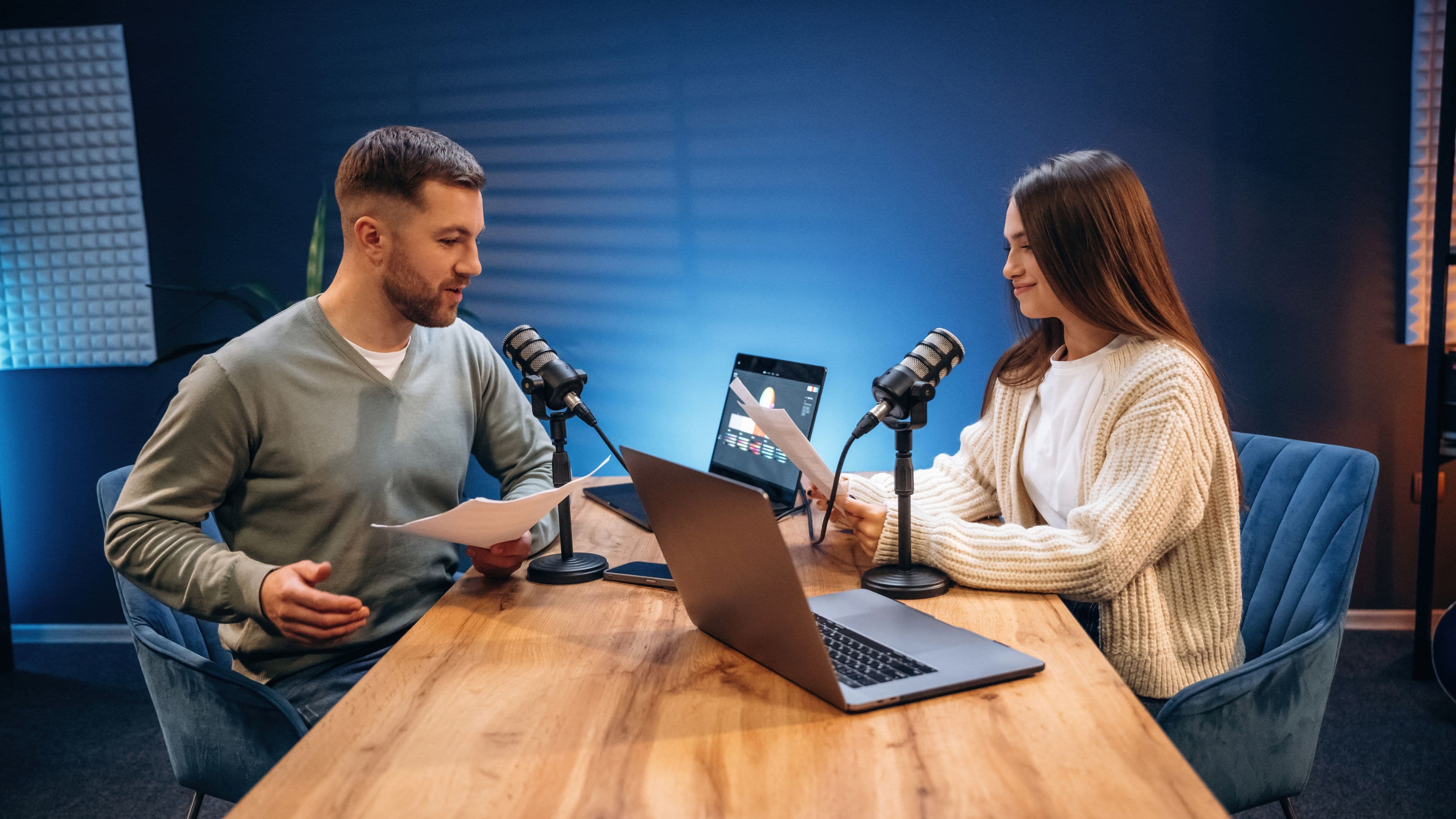
When a YouTuber looks into the camera and says "you guys" or a podcaster says "if you've been listening for a while, you'll know what I mean," it creates an illusion of direct personal address. You feel spoken to, not broadcast at. This is a subtle but powerful difference. Television hosts were always clearly performing to a mass audience; the best online creators have developed a style that feels like a personal conversation, even when the video has ten million views.
Volume and consistency
A creator who posts three times a week for two years has spent more consistent time "with" their regular viewers than many real-life acquaintances. The accumulated hours add up to something that feels like history. You've watched them go through relationships, career shifts, health scares, creative struggles. You've seen them at their best and at their worst. That perceived shared history creates a sense of genuine familiarity that isn't entirely illusory – you do know things about this person. The asymmetry is that they know nothing about you.
Confessional intimacy
The internet rewards vulnerability in a way traditional media never did. Creators who share personal struggles, mental health experiences, relationship difficulties, or professional failures generate enormous audience engagement precisely because that kind of disclosure is associated with trust and closeness in real relationships. When someone tells you something personal, the social convention is that they've chosen to trust you specifically. Online confessional content mimics that signal at mass scale – hundreds of thousands of people simultaneously receive what feels like a personal disclosure.
Comments and the illusion of interaction
The comments section creates a persistent illusion that a relationship is happening. You leave a comment; the creator occasionally replies; you feel noticed. Even if the creator never responds to you specifically, watching them respond to others sustains the impression of a two-way social environment. Discord servers, livestream chats, and community posts reinforce this further – the creator is "there," engaging, apparently accessible. The structural gap between their experience and yours (they're managing thousands of comments simultaneously; you're one person watching closely) is easy to lose sight of.
When Parasocial Relationships Get Complicated
For the most part, parasocial relationships are harmless and often genuinely enriching. Finding companionship in a podcast during a difficult period, feeling motivated by a creator whose work ethic you admire, or feeling a sense of community through a shared fandom are all valid experiences. The fact that the relationship isn't mutual doesn't make the positive feelings less real or less valuable.
Where it gets more complicated is in a few specific patterns.
One is the boundary confusion that can occur when a parasocial relationship becomes a primary source of social and emotional fulfilment. If a person's strongest sense of connection comes from watching creators rather than interacting with people in their own life, the relationship has moved from enriching to substituting – and it can reinforce social isolation rather than relieving it. This isn't a character flaw; it can happen gradually and often reflects genuine difficulties in forming or maintaining real-world connections. But the asymmetry of a parasocial relationship means it can never deliver what a mutual one can, and the gap tends to become more apparent over time.
Another complication is the disproportionate response to creator behaviour. When someone you've developed a parasocial relationship with does something you disagree with – changes their content, expresses a controversial opinion, faces a public controversy – the emotional response can be significant in a way that surprises even the person experiencing it. The feelings of betrayal or disappointment are real, but they're applied to a relationship that was never actually mutual. The creator didn't break a promise to you specifically; they just turned out to be a more complicated human than the version your brain had modelled.
A third pattern is the one that platforms can inadvertently encourage: the use of parasocial dynamics as a revenue mechanism. Subscription tiers, exclusive Discord access, and "super chat" features in livestreams monetise the feeling of closeness directly. There's nothing inherently wrong with creators building sustainable businesses, but it's worth being clear-eyed about the fact that the intimacy being sold is, by definition, not reciprocal.
Why It's More Relevant Than Ever
Parasocial relationships aren't new, but several intersecting trends are making them a more significant part of more people's social lives – and worth paying attention to.
Loneliness has been rising in most developed countries for decades, a trend that significantly accelerated during the pandemic years. When real-world social opportunities contracted sharply, online content consumption expanded to fill some of that gap. Parasocial relationships became, for many people, a primary form of social experience during an extended period of isolation. The habits formed during that time have been slow to unwind.
At the same time, the platforms most effective at generating parasocial bonds – YouTube, Twitch, TikTok, Instagram – have become more dominant in daily life, not less. The average person now spends several hours a day consuming content from a relatively small pool of creators they follow regularly. The accumulated exposure to these personalities is substantial, and the social brain processes all of it.
The creator economy has also professionalized the art of generating parasocial connection. Full-time creators are, among other things, experts at communicating in ways that feel intimate and personal. The best of them are genuinely talented at it, and the result – content that feels like time spent with a friend – is something people demonstrably value and seek out. Understanding the mechanism behind that feeling doesn't make it less valid, but it does help you engage with it more intentionally.
What to Do With This Information
Knowing about parasocial relationships doesn't mean you need to feel embarrassed about having them or to immediately distance yourself from creators you enjoy. The point isn't that these bonds are bad – it's that they're better understood than misunderstood.
The most useful thing is probably just holding the awareness that the intimacy you feel with a creator you follow is one-sided in a specific structural way, even when it doesn't feel that way emotionally. That awareness doesn't diminish the enjoyment; it just prevents the kind of boundary confusion that can occasionally make the relationship feel more significant than it is. Keeping real-world social connection active and genuinely reciprocal is its own form of protection against the more complicated forms of parasocial dependency – not because online connection is hollow, but because the two things serve genuinely different human needs.
FAQ
Are parasocial relationships unhealthy? Not inherently. For most people, they're a normal part of engaging with media and online content – enriching rather than harmful. They become more problematic when they substitute for real-world connection or when the emotional investment becomes disproportionate to the actual relationship.
Do creators know they're encouraging parasocial relationships? Many do, and some are quite thoughtful about it. Others lean into the dynamic deliberately because it drives engagement and revenue. The most transparent creators acknowledge the asymmetry openly and actively encourage their audience to maintain real-world connections.
Why do people feel genuine grief when a creator quits or dies? Because the social brain processes the loss of a parasocial figure through similar mechanisms to the loss of a real acquaintance. The grief is a real emotional response to a genuine perceived loss, even if the relationship was never mutual. This is sometimes called "parasocial breakup."
Can a parasocial relationship become a real one? Technically yes – some creators do interact meaningfully with individual fans, and in rare cases genuine mutual relationships develop. But the structural asymmetry (one person managing millions of followers; you being one of them) makes mutual relationship formation almost impossible at scale.
Is being a fan of a celebrity the same thing? It's similar but not identical. Traditional celebrity fandom involves more of a distance – the parasocial connection is harder to maintain the illusion of when someone is clearly a global superstar. Online creators often cultivate a level of perceived intimacy that makes the bond feel closer to friendship, which is part of what makes it psychologically distinctive.
📚 Sources
Horton, D. & Wohl, R.R. – Mass Communication and Para-Social Interaction (Psychiatry, 1956): https://www.tandfonline.com/doi/abs/10.1080/00332747.1956.11023049
American Psychological Association – Parasocial Relationships: https://www.apa.org/monitor/2023/09/parasocial-relationships
The Atlantic – The Parasocial Relationships Fuelling the Creator Economy: https://www.theatlantic.com/technology/archive/2021/04/parasocial-relationships/618795/
Pew Research Center – Social Media and Loneliness: https://www.pewresearch.org/internet/2018/09/05/news-use-across-social-media-platforms-2018/
Journal of Social and Personal Relationships – Parasocial Interaction and Social Media: https://journals.sagepub.com/doi/10.1177/02654075211045854
Harvard Health – Mirror Neurons and Social Connection: https://www.health.harvard.edu/blog/mirror-neurons-2016012809125
BBC Future – Why We Form Bonds With Fictional Characters: https://www.bbc.com/future/article/20200217-why-we-fall-for-fictional-characters