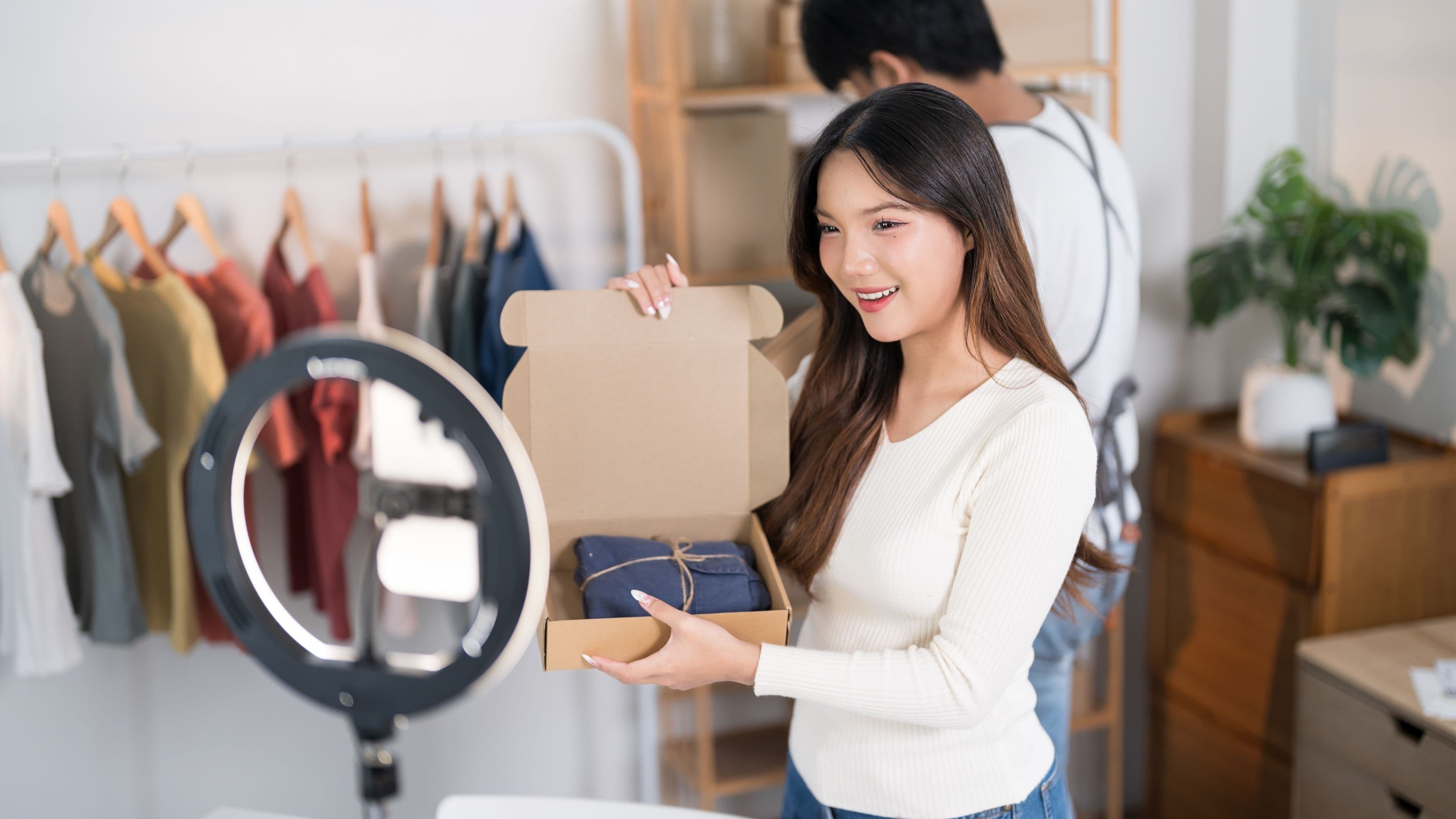
What Livestream Commerce Actually Is
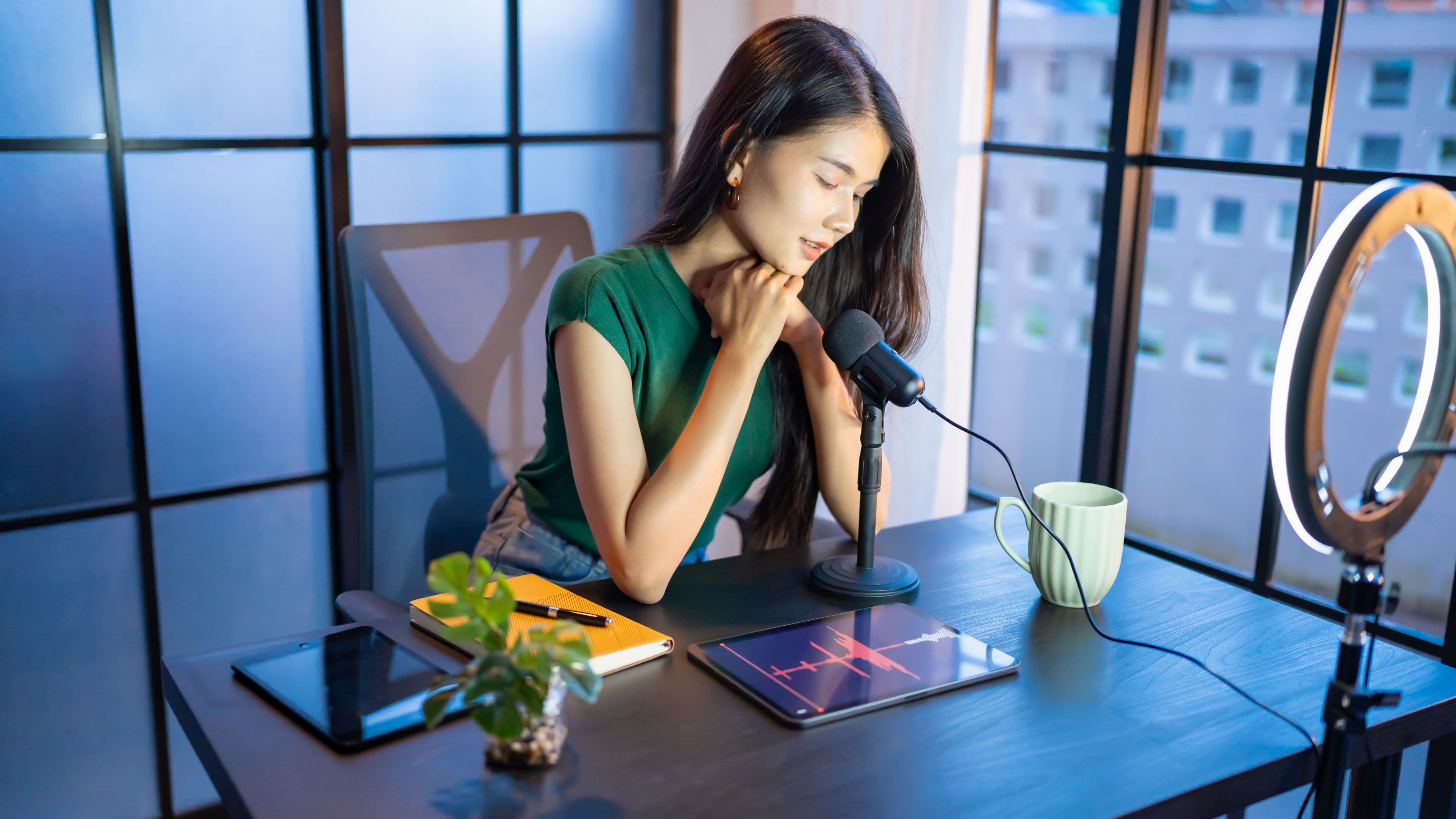
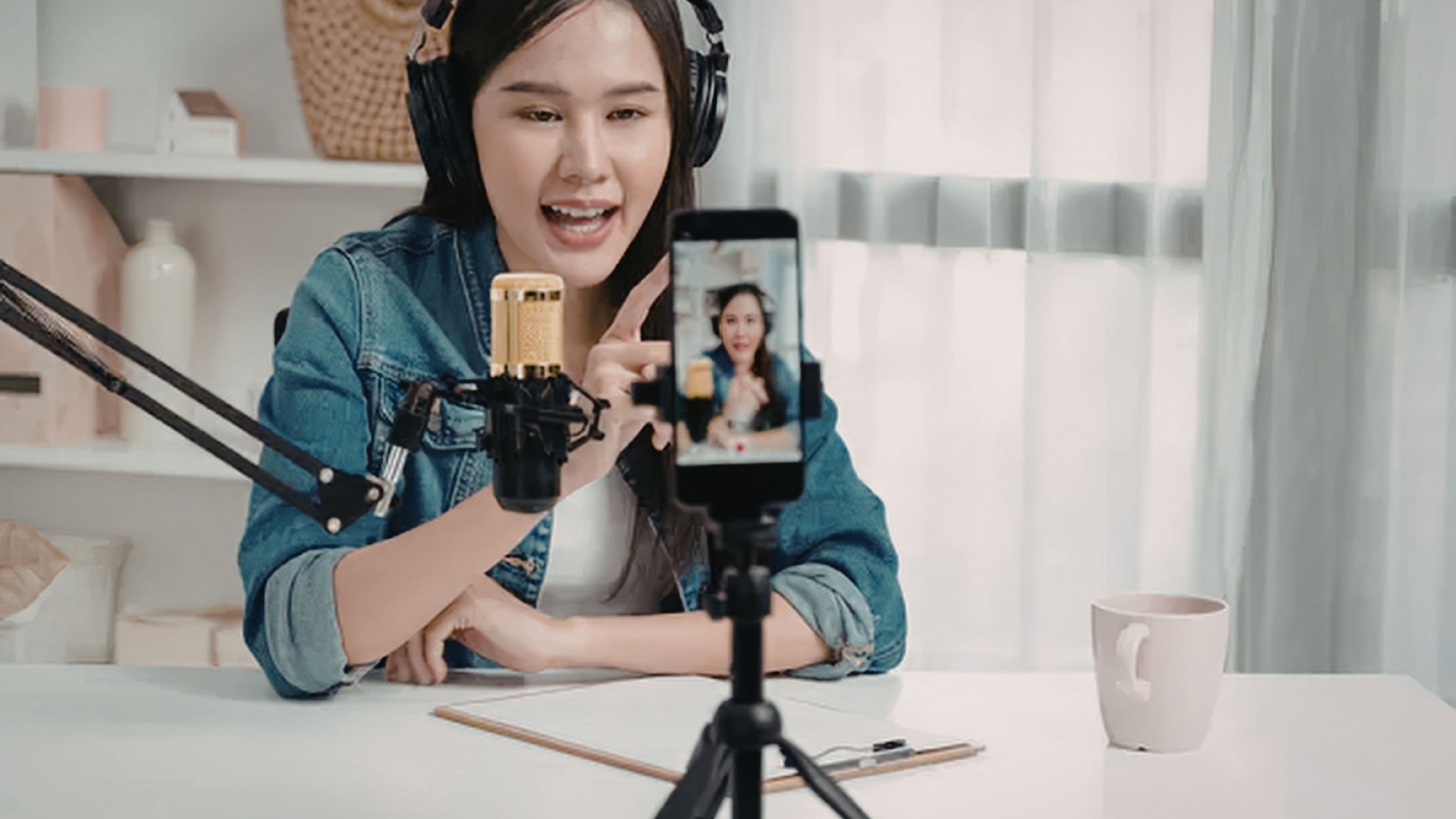
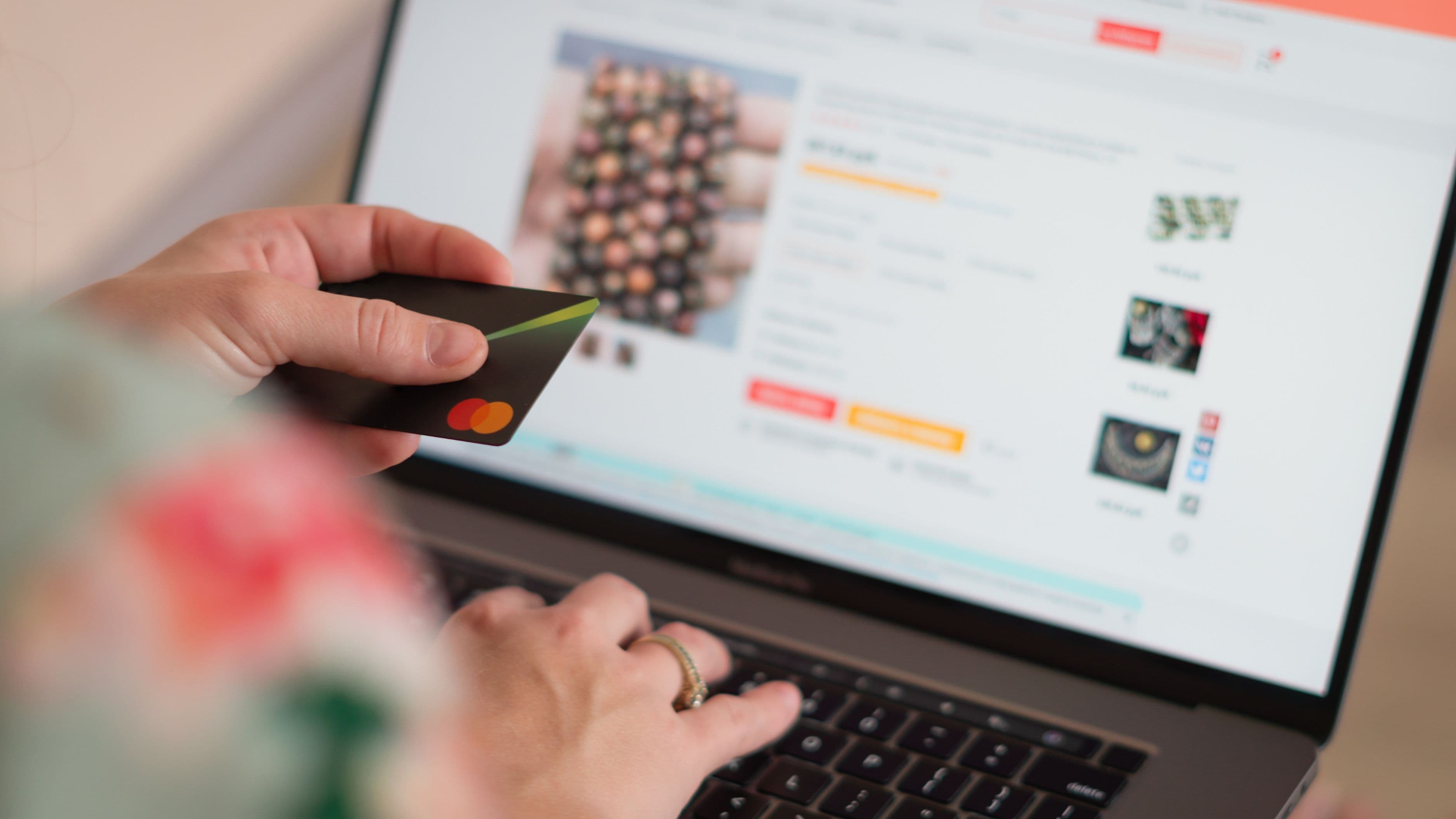
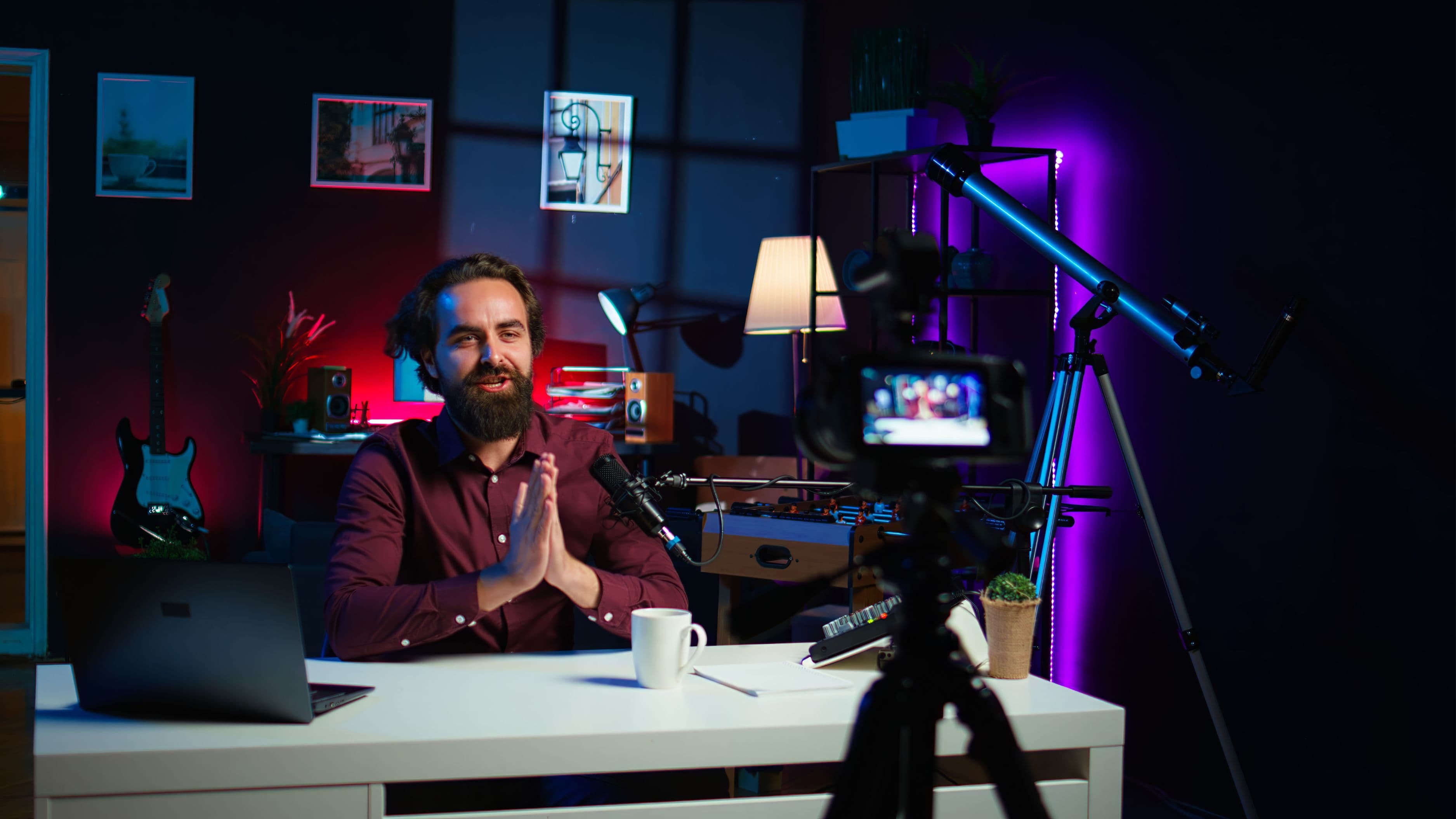
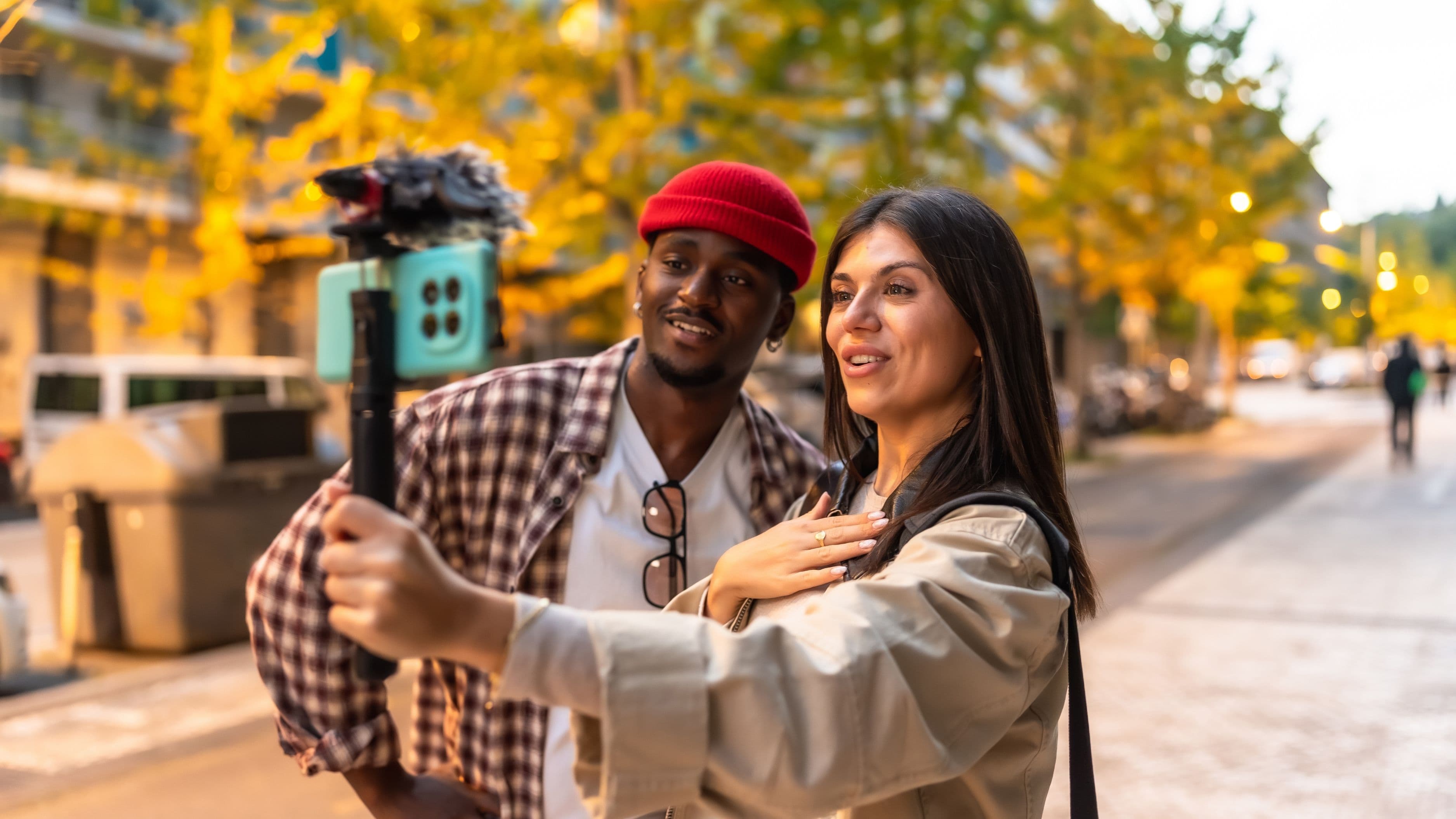
Livestream commerce combines real-time video streaming with instant purchasing, letting viewers buy products directly within the stream without navigating away to a separate checkout page. Hosts, ranging from major celebrities to smaller niche influencers, demonstrate products live, answer viewer questions in the comments, and often offer limited-time deals to create urgency.
Unlike a pre-recorded product video, the live element adds a sense of authenticity and interactivity, since viewers can ask specific questions and get immediate answers before deciding to buy. This blend of entertainment, information, and instant purchasing is what distinguishes it from traditional e-commerce or influencer marketing.
Why It Took Off So Fast in Asia
Livestream commerce found ideal conditions in markets like China, where mobile-first shopping habits were already deeply established before the format emerged, meaning consumers were primed for a shopping experience built entirely around their phones. Platforms integrated payments seamlessly within apps people were already using daily, removing friction that might otherwise slow down impulse purchases.
Cultural factors matter too. Trust in influencer recommendations tends to run high in these markets, and livestream hosts, some of whom sell hundreds of millions of dollars worth of products in a single stream, have built massive, loyal followings that function almost like their own retail brands. The combination of entertainment value and genuine trust in the host creates purchasing behavior that traditional e-commerce struggles to replicate.
The Scale Is Genuinely Staggering
Major livestream shopping events in China now generate sales figures that rival or exceed entire traditional shopping holidays in other markets, with top hosts moving enormous volumes of product in hours-long streaming sessions. This isn't a fringe retail channel, it has become a mainstream and expected way to shop for a significant portion of online consumers in the region.
The format has expanded well beyond fashion and beauty into categories like electronics, groceries, and even real estate viewings, showing how flexible the model has proven to be across different product types.
Why It Matters Beyond Just Asia
Retailers and platforms in other markets have taken notice, and features resembling livestream commerce have started appearing on Western platforms, though adoption has been slower and less dominant so far. Part of the gap comes down to differences in payment infrastructure, influencer trust dynamics, and shopping habits that took years to build in markets where livestream commerce thrives.
Understanding this trend matters because it signals where consumer expectations may be heading globally, even if the format looks different when adapted to other markets. Brands and platforms watching this space closely are essentially studying a live experiment in what shopping might look like as video and commerce continue merging.
Why It Hasn't Fully Taken Off Everywhere Yet
Several practical barriers have slowed livestream commerce's growth outside its strongest markets, including less integrated payment systems, different levels of trust in influencer-driven sales, and cultural differences in how comfortable consumers are making purchase decisions in real time during a live broadcast. Attention spans and viewing habits also differ, with some markets favoring shorter, pre-recorded content over hours-long live sessions.
None of these barriers are permanent, and platforms continue experimenting with adapted versions of the format that might eventually close this gap, but for now, adoption outside its core markets remains a fraction of what it's become in Asia.
What This Means Going Forward
Livestream commerce represents a genuine shift in how commerce and content are merging, rather than a passing trend, given the scale it's already reached in its strongest markets. Whether it becomes a dominant shopping format globally or remains a regionally concentrated phenomenon likely depends on how quickly payment infrastructure, influencer trust, and consumer habits evolve elsewhere.
Either way, it's a useful case study in how quickly shopping behavior can transform when the right mix of technology, culture, and trust align.
FAQ
Is livestream commerce the same as QVC-style TV shopping? It shares some similarities, like real-time product demonstration and urgency-driven offers, but livestream commerce is built for mobile-first, interactive digital platforms with instant in-app purchasing rather than a call-in TV format.
Which platforms are leading in livestream commerce? Major Chinese platforms have led adoption, with hosts building massive followings and sales volumes, while Western platforms have introduced smaller-scale versions of the format more gradually.
Will livestream commerce become mainstream in the US and Europe? It's growing but adoption has been slower, largely due to differences in payment integration and influencer trust dynamics compared to markets where the format originated.
📚 Sources
Livestream E-Commerce Market Trends, mckinsey.com
China's Livestreaming Retail Ecosystem, statista.com
The Global Rise of Social Commerce, emarketer.com
🔍 Explore Related Topics
Livestream commerce platforms comparison