What's Actually Happening
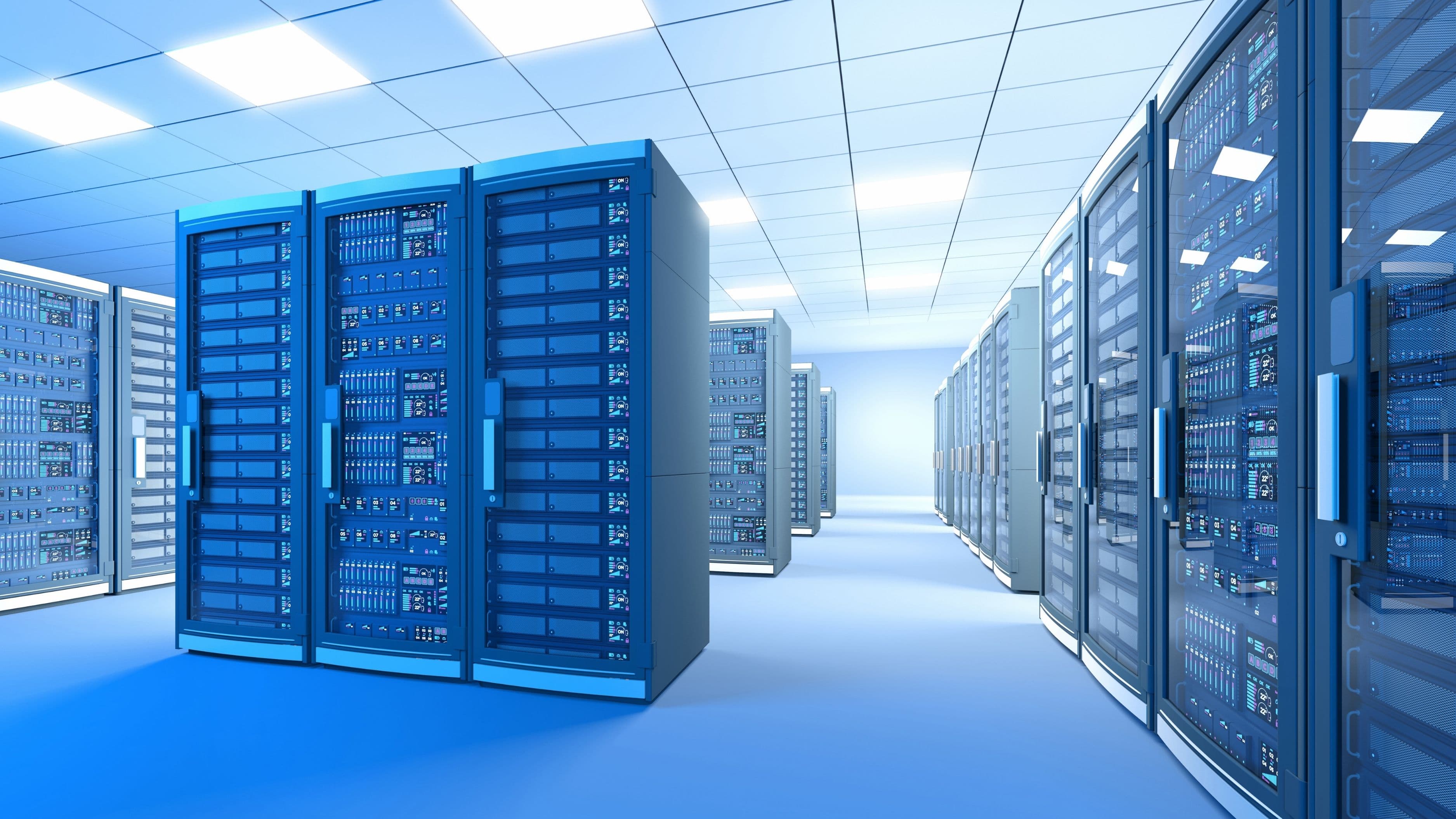
Major tech companies are pouring unprecedented amounts of money into building and expanding data centers specifically designed to train and run large AI models. This isn't the same as the cloud computing buildout of the last decade, which mostly supported websites, apps, and everyday business software. AI workloads, especially training massive models, require dramatically more computing power concentrated in specialized hardware, primarily high-performance GPUs, running around the clock.
The scale involved is hard to overstate. Individual data center campuses now regularly require the electricity output of a small city, and the largest planned facilities are being designed with dedicated power generation in mind rather than relying solely on existing grid capacity. Companies are signing multi-year commitments for chips, land, and power before facilities are even finished being built, treating computing capacity itself as a strategic resource to be secured early rather than purchased on demand.
Why It Matters
This buildout matters because it determines who gets to build the next generation of AI systems and how quickly. Training a state-of-the-art AI model requires access to enormous computing clusters, and companies without that access simply can't compete at the frontier, regardless of how good their research teams are. This has turned data center capacity into a genuine bottleneck for the entire AI industry, not just a background detail.
It also matters because of the resources involved. Data centers of this scale need massive amounts of electricity and, in many designs, significant amounts of water for cooling systems. Communities near proposed data center sites are increasingly pushing back or negotiating hard over these projects, since the local strain on power grids and water supplies is a real, tangible cost that doesn't disappear just because the resulting AI product feels intangible to the average user.
The Chip Bottleneck at the Center of It All
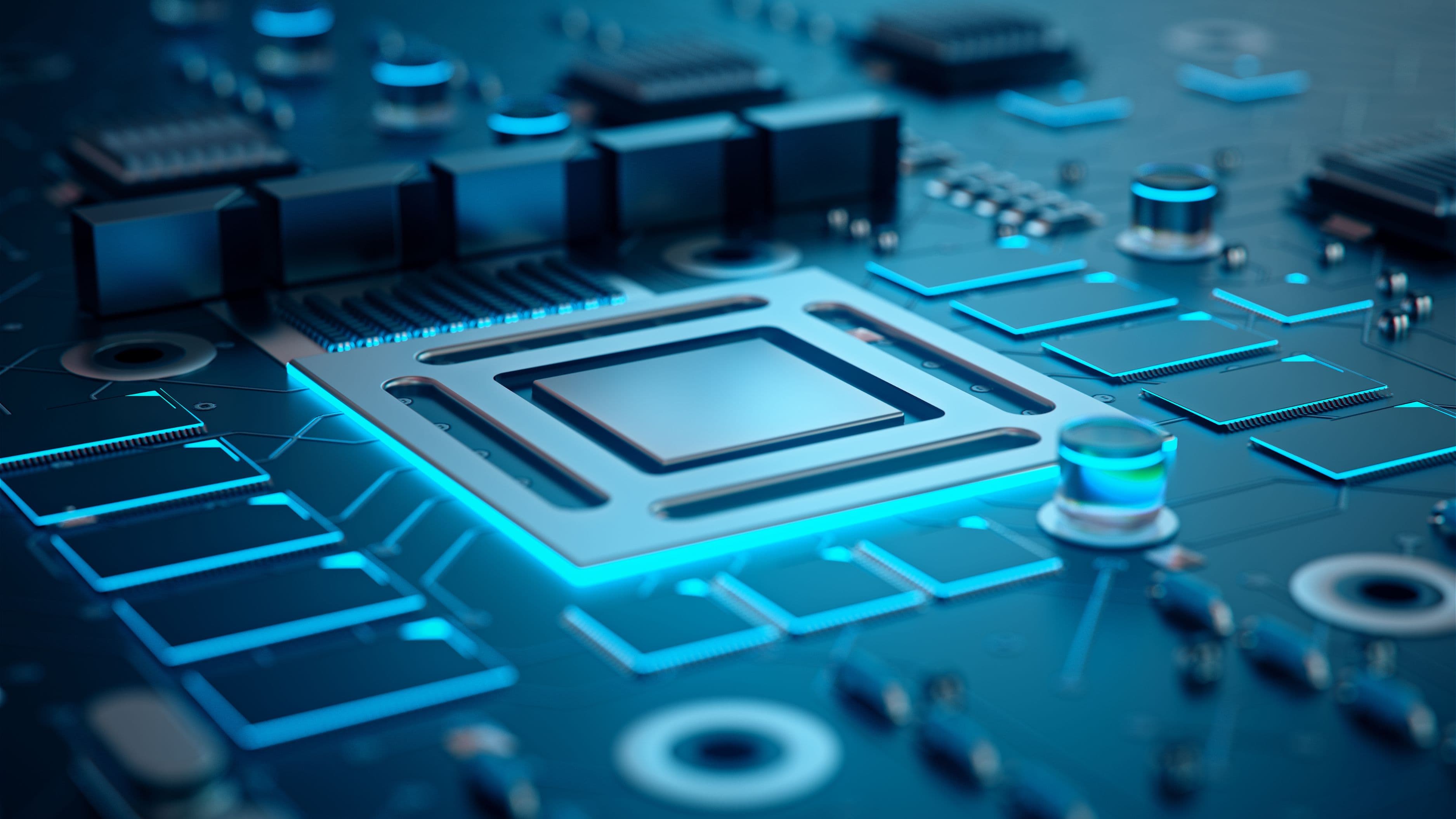
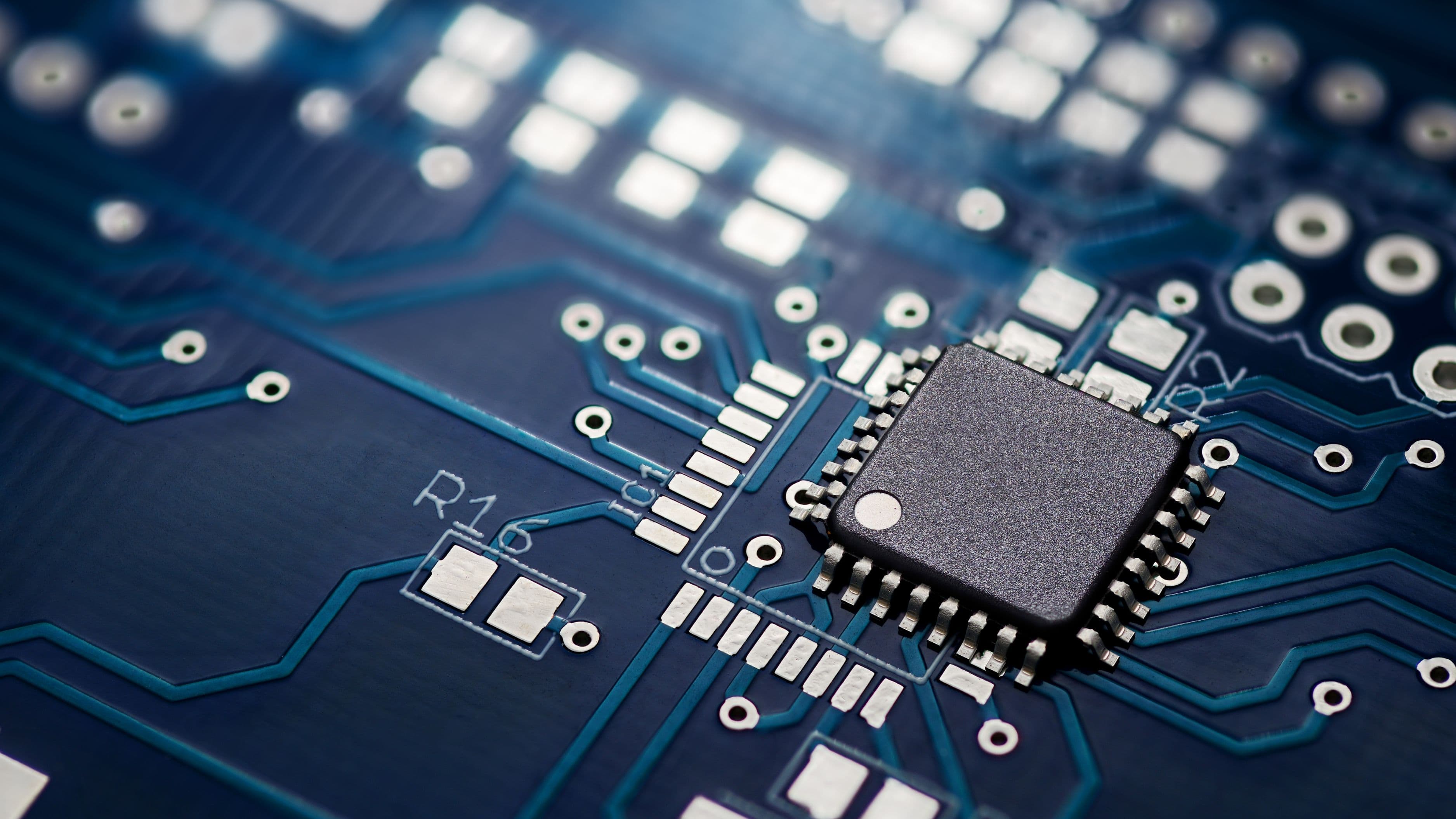
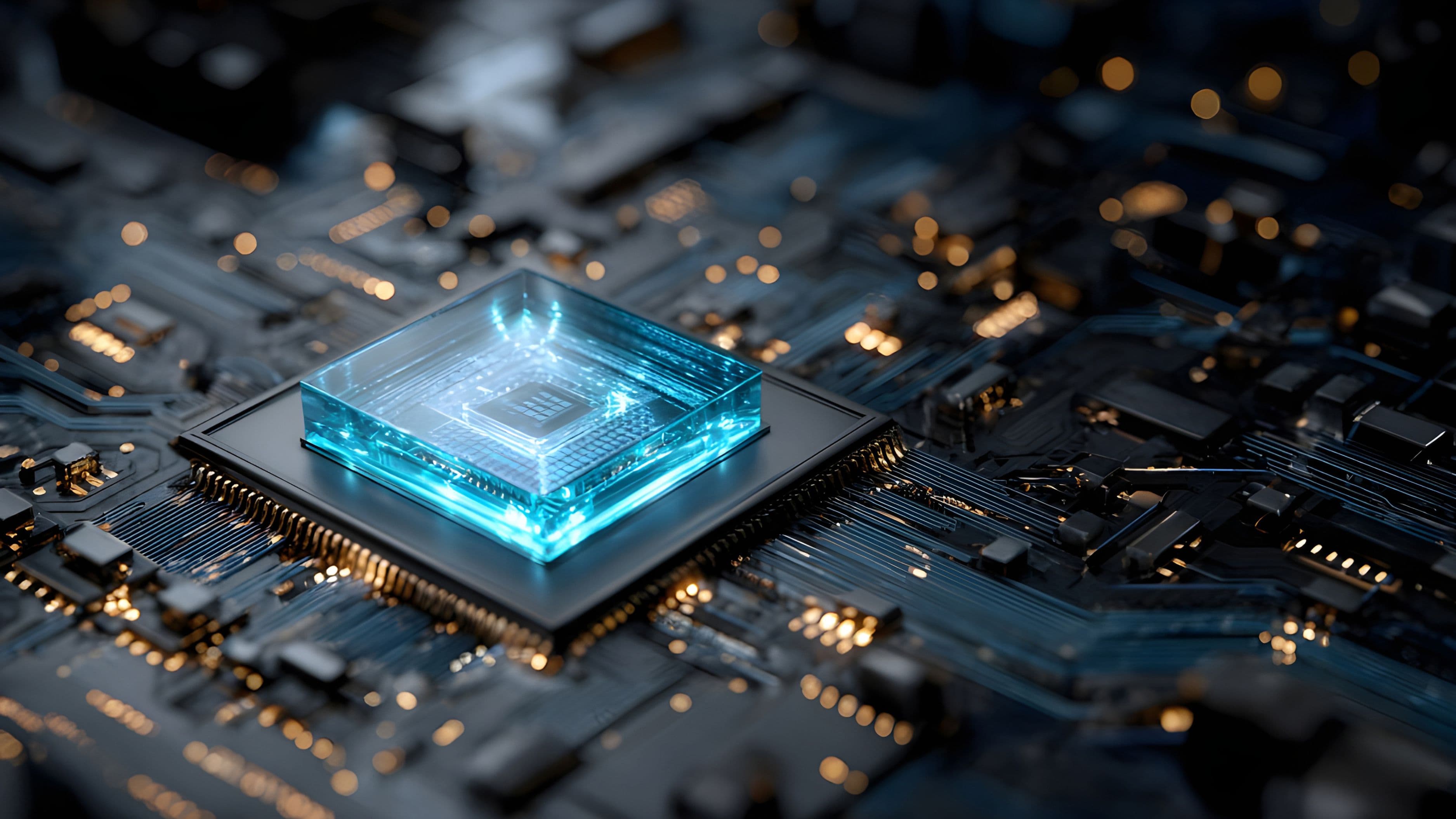
Underneath the data center buildout sits an even tighter bottleneck: the specialized chips that actually do the computing. A small number of companies design the GPUs that power most large-scale AI training, and an even smaller number of manufacturers can actually produce them at the necessary scale and precision. This concentration means that even companies with unlimited funding can be constrained simply by how many chips are physically available to buy.
This scarcity has pushed some of the largest AI companies to explore designing their own custom chips rather than relying entirely on outside suppliers, seeking more control over both cost and supply. It's a sign of just how strategically important compute has become; companies that would normally focus purely on software are now getting directly involved in hardware design and chip manufacturing partnerships.
The Energy Problem Nobody Can Ignore
Perhaps the most consequential part of this arms race is energy. AI data centers consume electricity at a scale that's forcing utility companies and regulators to rethink infrastructure planning that hadn't anticipated this kind of demand growth. Some companies have gone as far as securing dedicated power sources, including agreements tied to nuclear power plants, specifically to guarantee the reliable, large-scale electricity their facilities require.
This creates a genuine tension. AI companies often market their technology as a tool for solving major global problems, including climate-related ones, while simultaneously driving up electricity demand and, in some regions, extending the operational life of fossil fuel power plants that might otherwise have been retired. This isn't a hypothetical concern; it's already showing up in regional power grid planning documents and utility rate discussions in areas with heavy data center development.
Real-World Impact Beyond the Tech Industry
The ripple effects of this buildout extend well past the companies directly involved. Land near major population centers and existing power infrastructure is becoming increasingly valuable and contested specifically for data center development. Local governments are weighing tax incentives and job creation promises against concerns about strained utilities, water usage, and the relatively small number of permanent jobs these highly automated facilities actually create compared to their footprint.
There's also a broader economic ripple effect through the semiconductor supply chain, construction industry, and even shipping and logistics for the specialized cooling and power equipment these facilities require. What looks like a story about software is, underneath, a story about heavy industry and infrastructure at a scale most people don't associate with anything related to AI.
Future Outlook
This buildout shows no signs of slowing in the near term, with companies continuing to announce new facilities and long-term chip and power commitments. What's less certain is how sustainable this pace actually is, both financially and environmentally. Some analysts have raised questions about whether current AI revenue justifies the scale of infrastructure investment being made, while others argue this is simply what it takes to compete at the frontier of a transformative technology.
Regulatory attention is also likely to increase, particularly around energy usage disclosure, water consumption, and how these facilities interact with public electricity grids that ordinary households and businesses also depend on. How this tension gets resolved, between rapid AI development and the practical limits of power and water infrastructure, will likely shape where and how this buildout continues over the next several years.
FAQ
Why do AI data centers need so much more power than regular data centers? Training and running large AI models requires specialized chips running continuously at high intensity, which draws significantly more power per square foot than traditional web hosting or business computing infrastructure.
Are these data centers actually creating a lot of jobs? Not as many as their size might suggest. These facilities are highly automated, so while construction creates temporary jobs, the ongoing operational staff needed is relatively small compared to the physical footprint and investment involved.
Could a chip shortage actually slow down AI development? Yes, chip availability has already acted as a real constraint for some companies, which is part of why several major players are now investing in custom chip design to reduce their dependence on external suppliers.
The AI you interact with on your phone in a few seconds is the visible tip of a massive, resource-intensive buildout happening largely out of public view. Understanding that infrastructure gives you a clearer picture of what's actually driving the AI industry's biggest decisions right now.
📚 Sources
International Energy Agency – Electricity 2024 Report – https://www.iea.org/reports/electricity-2024
U.S. Department of Energy – Data Centers and Energy – https://www.energy.gov/eere/buildings/data-centers-and-servers
McKinsey & Company – The Cost of Compute Report – https://www.mckinsey.com/industries/technology-media-and-telecommunications/our-insights