Factories that once ran almost entirely on mechanical processes and manual oversight are now layering in software at nearly every step, from design to the factory floor to the supply chain connecting it all. Understanding why this shift is happening now, and what it actually looks like in practice, helps explain one of the more significant but under-discussed tech trends of the next decade.
What "Software Eating Manufacturing" Actually Means
The phrase doesn't mean physical manufacturing disappears in favor of pure digital products. Cars still need metal, chips still need silicon, furniture still needs wood. What's changing is how much of the value, decision-making, and efficiency in that physical production now comes from software layered on top of it.
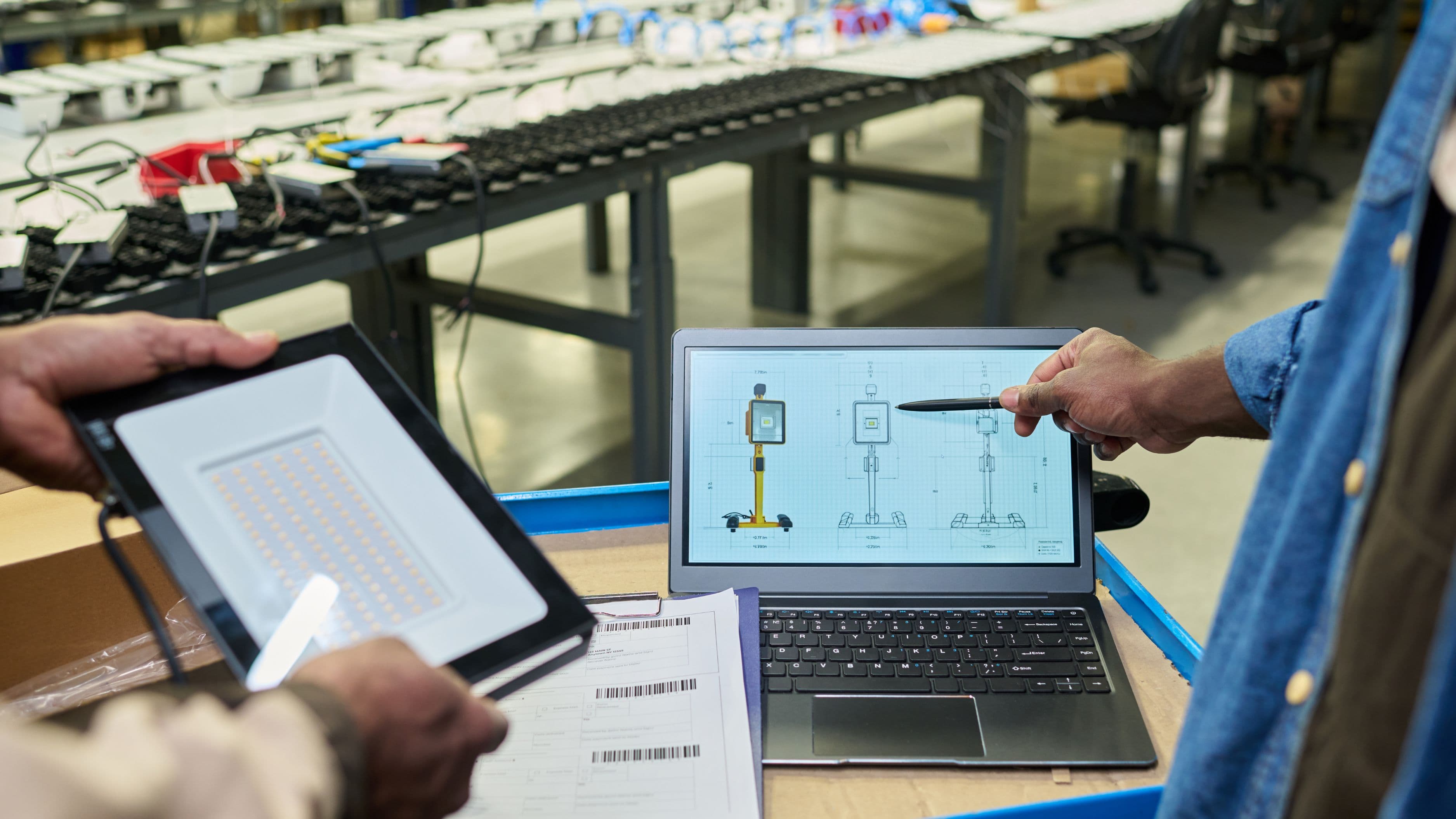
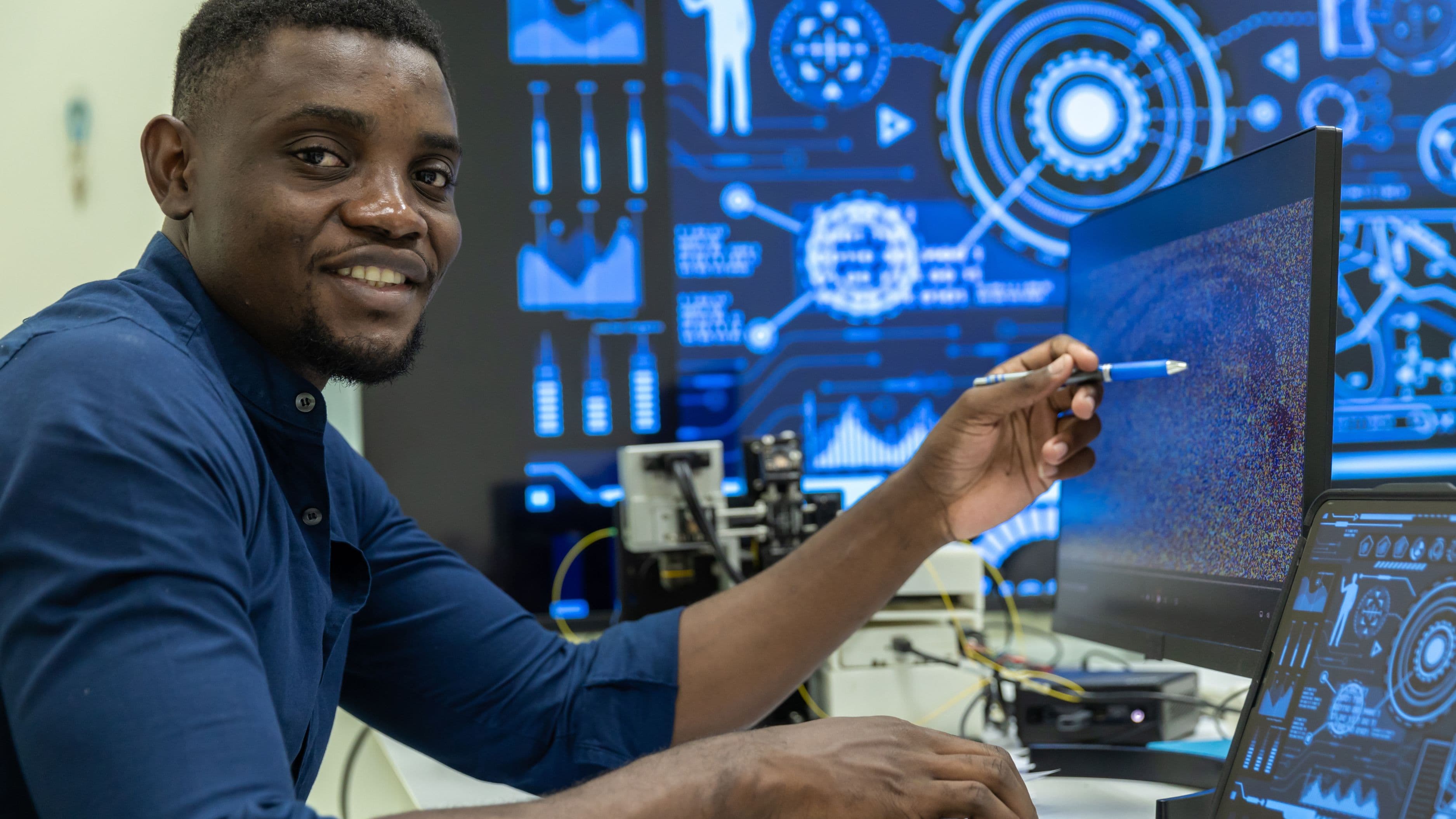
Think of it less as replacement and more as a shift in where the intelligence lives. A factory floor used to rely almost entirely on human expertise and fixed machinery. Increasingly, that same floor runs on software that monitors, predicts, and adjusts processes in real time, with humans overseeing rather than manually controlling every step.
The Forces Driving This Shift
A few converging trends explain why this is accelerating now rather than five or ten years ago.
Sensors Got Cheap and Everywhere
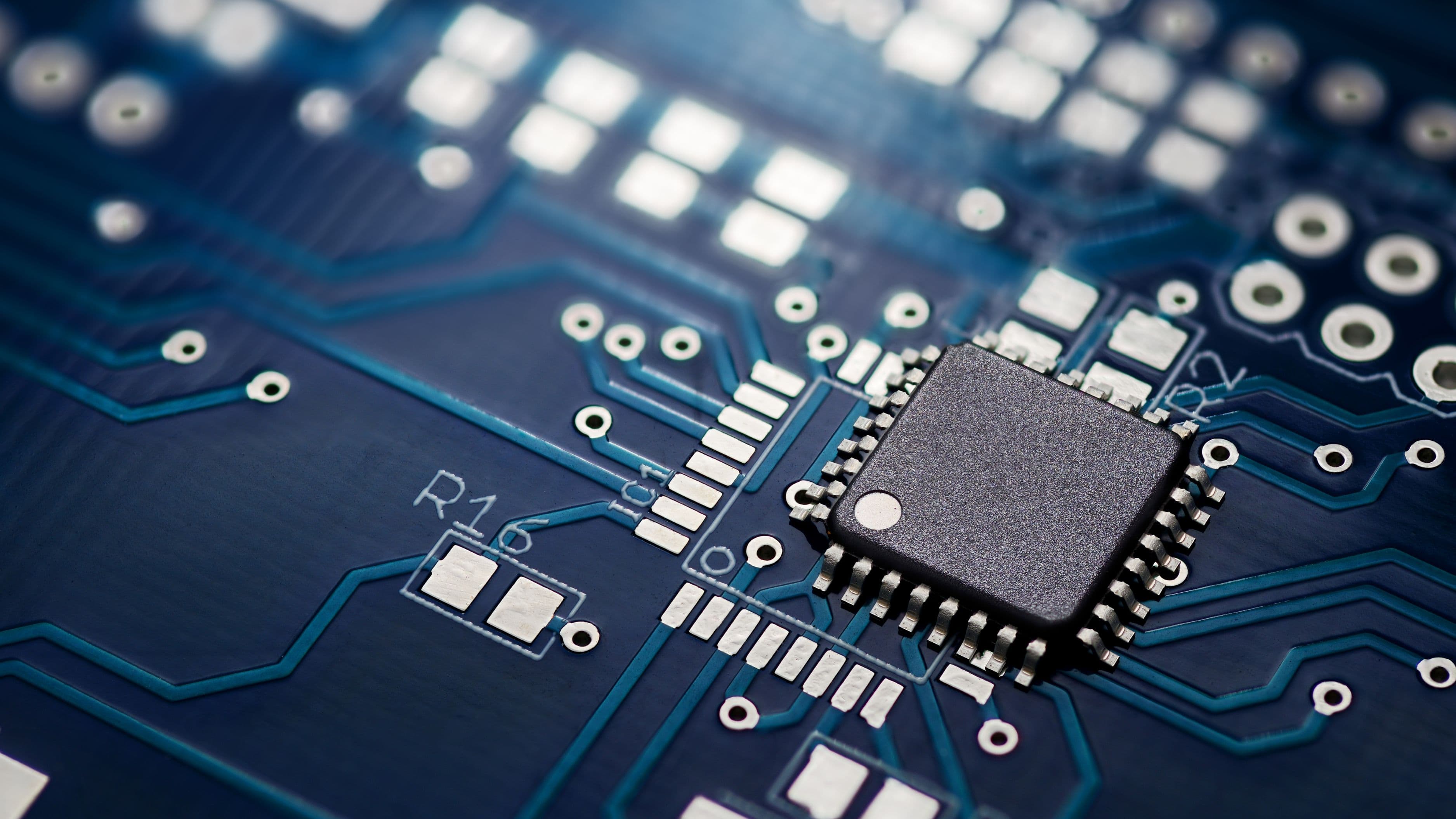
Industrial sensors that used to cost hundreds of dollars per unit now cost a fraction of that, making it economically viable to instrument entire factory floors with data collection points. This connects to the broader Internet of Things trend, but in manufacturing specifically, it means machines that used to run "blind" now generate constant streams of data about their own performance.
That data is only useful if something can actually process and act on it, which is exactly where software steps in. Without cheap sensors, there simply wasn't enough real-time information flowing out of factories to justify sophisticated software layers on top.
AI Made Predictive Maintenance Realistic
Unplanned equipment downtime has always been one of manufacturing's biggest cost drains. Predictive maintenance, using data patterns to flag a failing part before it actually fails, existed as a concept for years but lacked the computing power and algorithms to work reliably at scale.
Modern machine learning models can now analyze vibration, temperature, and performance data from equipment and flag anomalies with meaningful accuracy well before a human would notice a problem. This shifts manufacturers from reactive repair schedules to proactive ones, which translates directly into cost savings and fewer production halts.
Supply Chains Demanded More Visibility
Recent years exposed just how fragile global supply chains can be when disruptions hit. That experience pushed manufacturers to invest heavily in software that provides real-time visibility across suppliers, shipping, and inventory, rather than relying on periodic reports and manual coordination.
This visibility software doesn't just track problems, it increasingly predicts them, flagging potential bottlenecks based on patterns in shipping data, supplier performance, and even weather or geopolitical signals.
Customization at Scale Requires Digital Coordination
Consumers and businesses increasingly expect customized products delivered at speeds that used to be reserved for mass-produced, identical items. Meeting that expectation without software coordination is nearly impossible, since it requires constantly adjusting production lines, materials, and scheduling based on individual orders rather than long production runs of identical items.
Digital manufacturing platforms now handle this coordination automatically, translating custom orders into specific machine instructions without requiring a human to manually reprogram equipment for every variation.
Real-World Examples of This Shift
Several manufacturing sectors already show this transition clearly. Automotive manufacturers use digital twins, virtual replicas of physical production lines, to simulate and optimize processes before making any changes on the actual factory floor. This significantly reduces the cost and risk of testing new configurations.
Electronics manufacturers increasingly rely on computer vision systems for quality control, catching defects far smaller and faster than human visual inspection could reliably manage. Meanwhile, smaller manufacturers are adopting cloud-based platforms that used to be exclusive to large enterprises, leveling the playing field for mid-sized operations that previously couldn't justify the cost of custom software development.
What This Means for Workers and the Industry
This shift doesn't necessarily mean fewer manufacturing jobs overall, though it does mean the nature of those jobs is changing. Roles increasingly require comfort with software interfaces, data interpretation, and overseeing automated systems, rather than purely manual, repetitive tasks.
This creates a real skills gap in the short term, since the manufacturing workforce built its expertise around traditional processes, and retraining takes time and investment. Companies that invest in this transition thoughtfully, pairing technology adoption with worker training, tend to see smoother implementation than those treating software as a pure replacement for labor.
What to Watch Next
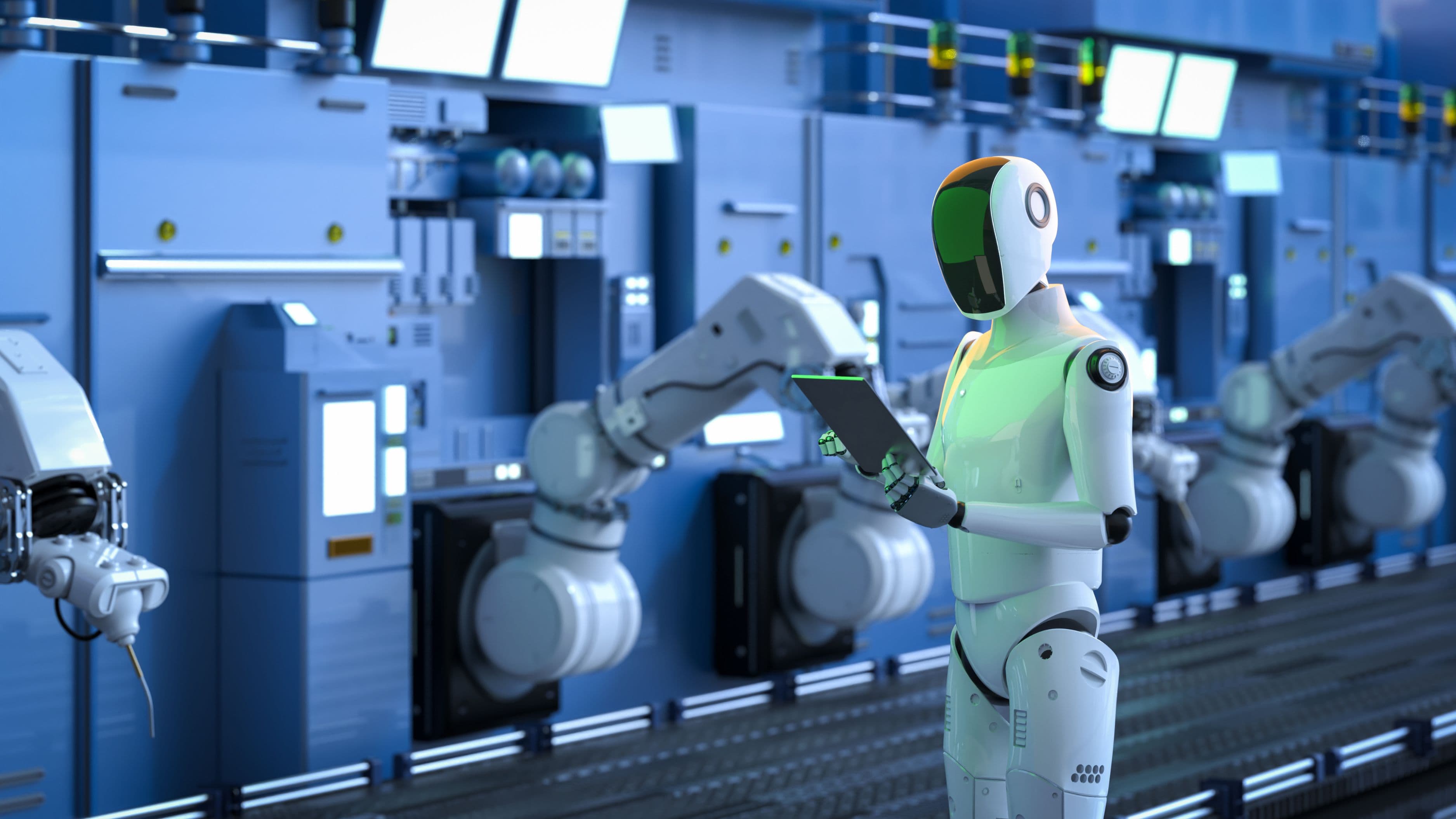
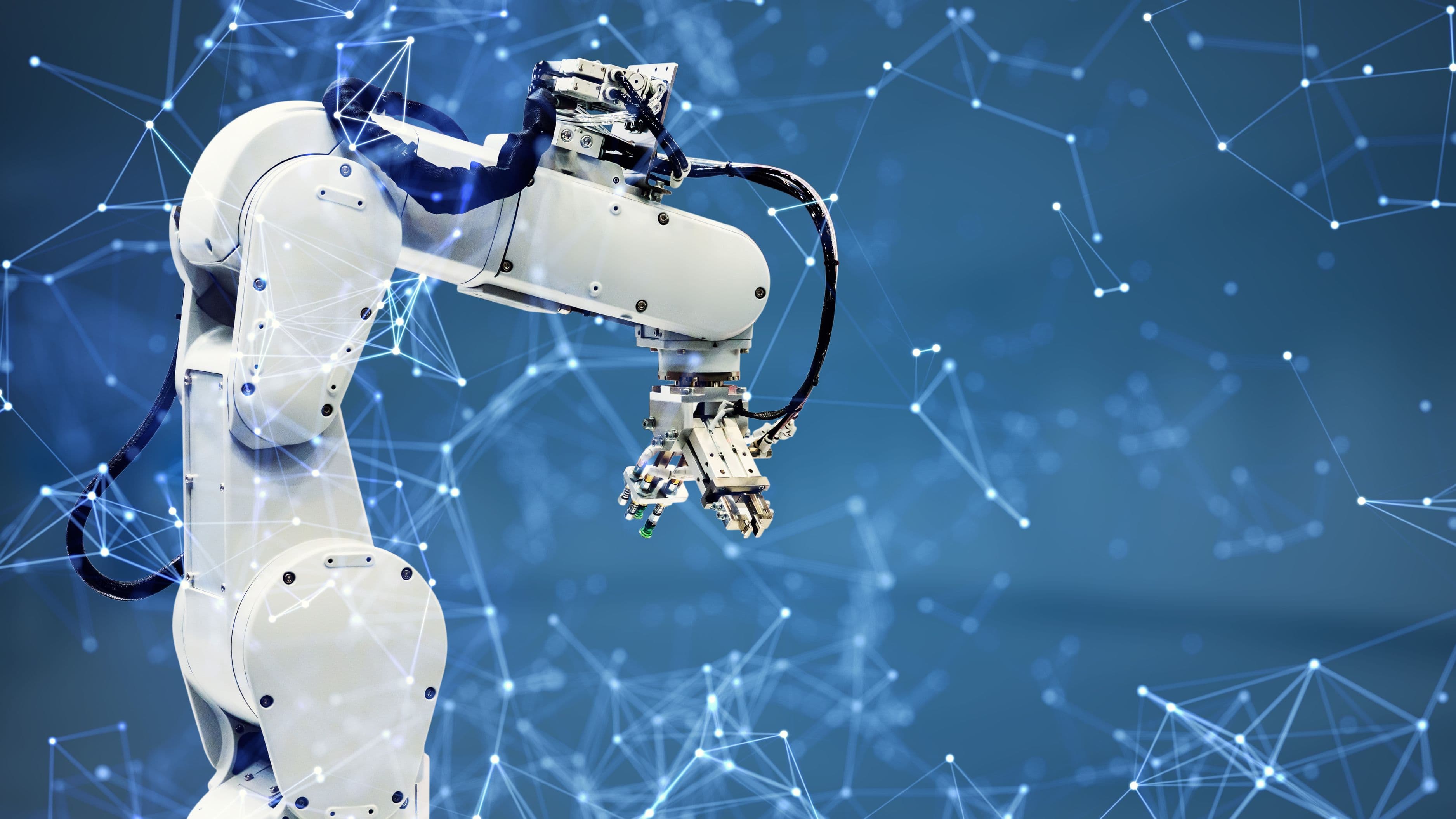
The next phase of this shift likely involves tighter integration between AI systems and physical robotics, moving beyond monitoring and prediction into more autonomous decision-making on the factory floor. Generative AI tools are also starting to appear in product design and engineering workflows, compressing design iteration cycles that used to take weeks into days.
It's worth watching how regulation and safety standards adapt to more autonomous manufacturing systems, since current frameworks were largely built around human-operated equipment rather than AI-driven decision-making on physical machinery.
FAQ
Does this mean manufacturing jobs are disappearing? Not necessarily disappearing, but changing. Many roles are shifting toward overseeing and interpreting automated systems rather than purely manual tasks, which requires new skill sets.
What is a digital twin in manufacturing? A digital twin is a virtual, data-driven replica of a physical production line or piece of equipment, used to simulate changes and predict outcomes before implementing them in the real world.
Is this trend limited to large manufacturers? No. Cloud-based platforms have made many of these tools accessible to smaller and mid-sized manufacturers that previously couldn't afford custom enterprise software.
📚 Sources
"The Fourth Industrial Revolution" – World Economic Forum – https://www.weforum.org/agenda/2019/01/the-fourth-industrial-revolution-by-klaus-schwab/
"Predictive Maintenance in Manufacturing" – National Institute of Standards and Technology – https://www.nist.gov/programs-projects/predictive-maintenance
"Digital Twins Explained" – IBM – https://www.ibm.com/topics/what-is-a-digital-twin