
Where the Footprint Actually Comes From
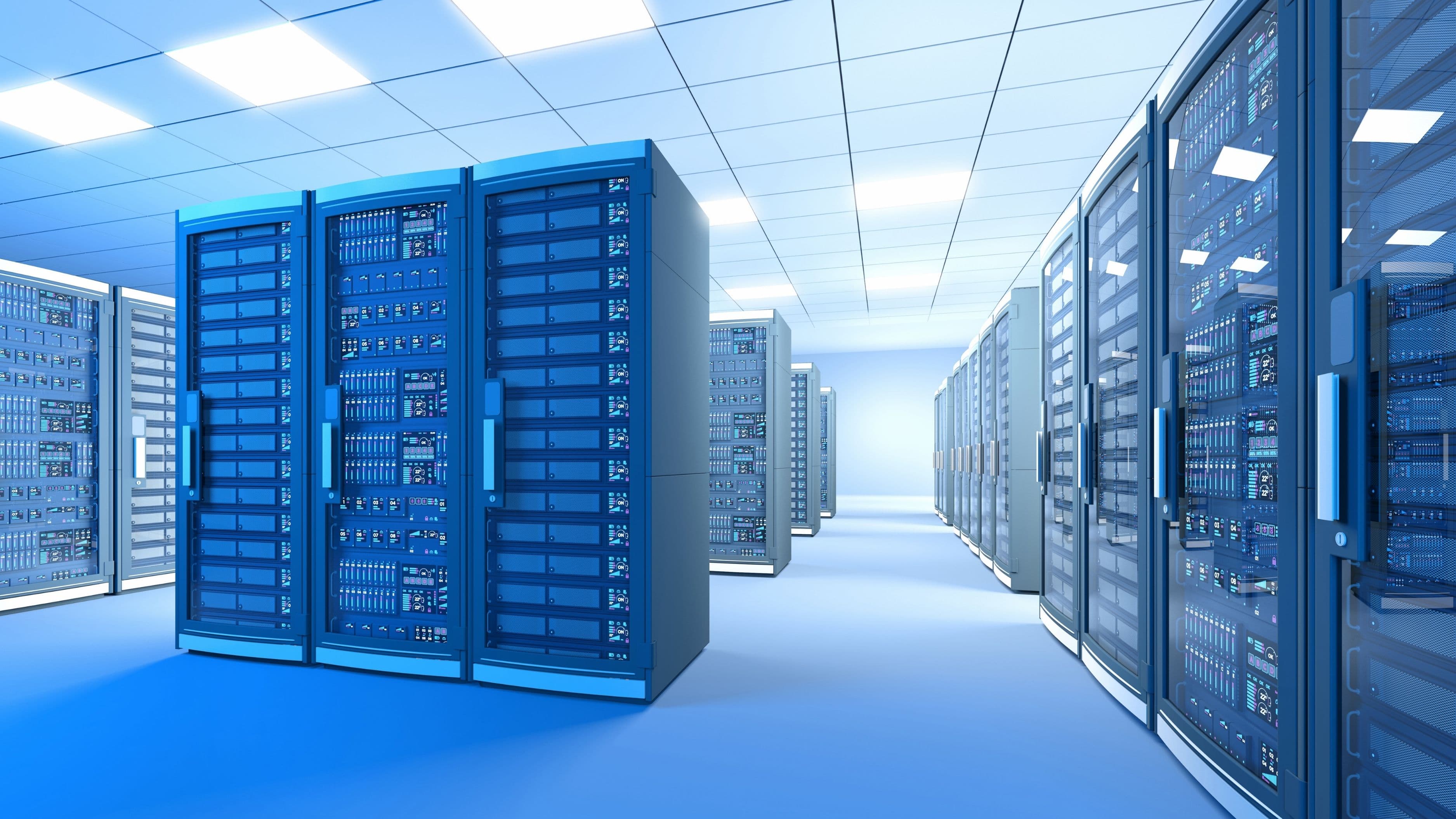
Data centers are the physical backbone of essentially everything digital: cloud storage, streaming platforms, social media, and now, increasingly, AI model training and inference. These facilities run thousands of servers continuously, and those servers generate significant heat, requiring extensive cooling systems that themselves consume substantial additional energy and, in many designs, large volumes of water.
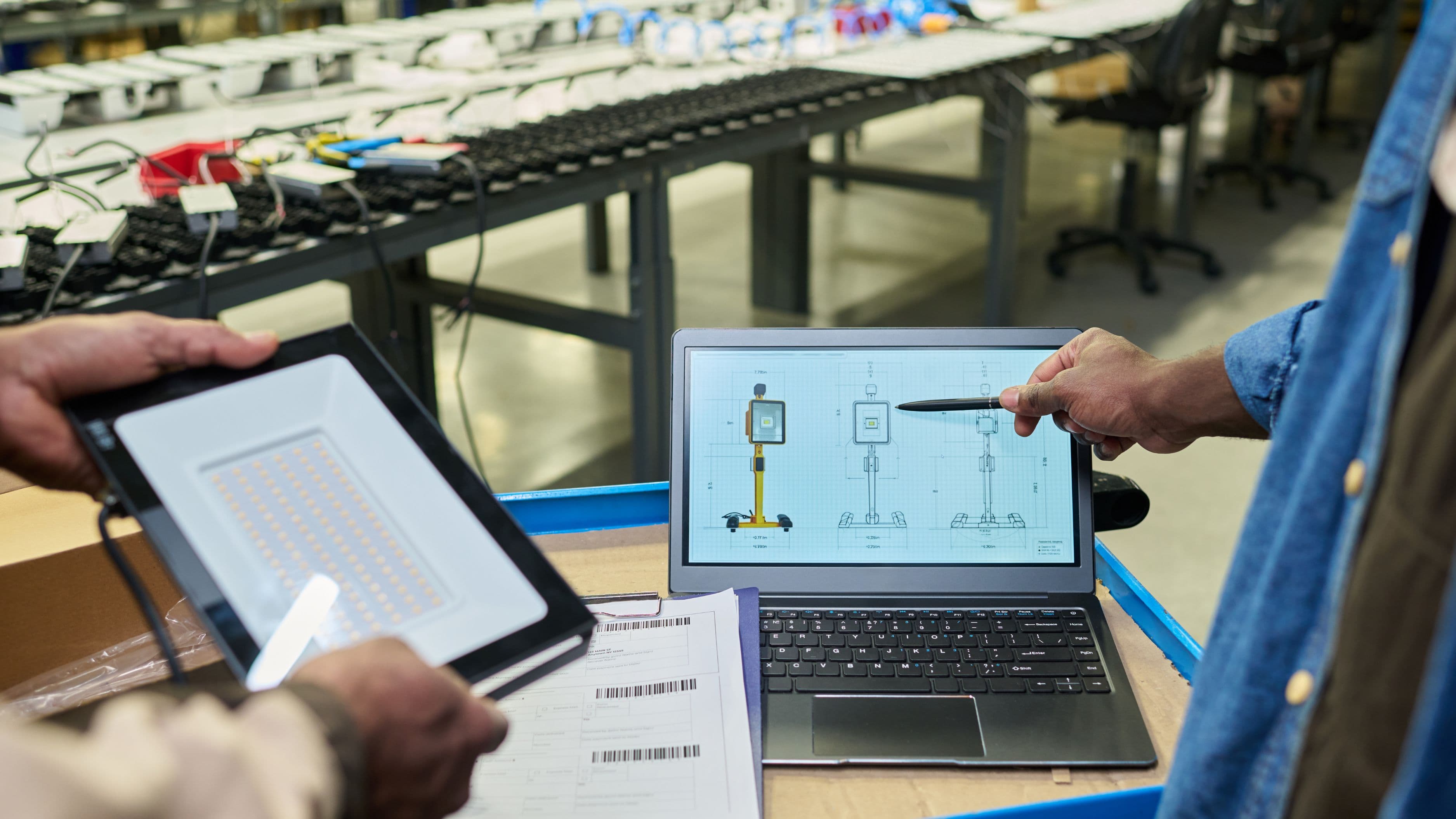
The footprint isn't just about the electricity running the servers themselves. It includes the embodied carbon in manufacturing the hardware (the mining, processing, and assembly involved in producing chips and components), the energy used in cooling, and the broader network infrastructure required to move all that data between users and the physical servers processing their requests.
Why AI Has Changed the Math
Training large AI models requires an enormous amount of computing power, run continuously over weeks or months, across thousands of specialized processors. A single large model training run can consume electricity comparable to what hundreds of homes use in a year, and that's before accounting for the ongoing energy cost of actually running the model once it's deployed and being used by millions of people.
This is a meaningfully different scale than most previous internet infrastructure demands. Serving a webpage or a video stream is comparatively lightweight computationally. Running AI inference, especially for more complex models, requires substantially more processing power per request, and as AI tools have become embedded in everyday products, search engines, writing assistants, image generators, the cumulative energy demand has grown quickly enough that it's now a significant factor in overall data center energy consumption projections.
The Water Usage Question
Cooling data centers doesn't just require electricity, many facilities also use significant amounts of water for evaporative cooling systems, which are more energy-efficient than purely mechanical cooling but consume water directly in the process. In regions already facing water scarcity, large data center developments have become a genuine point of local tension, with some communities raising concerns about a single facility's water consumption rivaling that of a small city.
Some newer data center designs are shifting toward closed-loop cooling systems that recycle water rather than continuously drawing fresh supply, but these systems are more expensive to build and aren't yet the industry standard across all facilities.
What Tech Companies Are (and Aren't) Doing
Major cloud providers have made public commitments toward renewable energy and carbon neutrality, and some have made genuine progress, investing directly in wind and solar projects, and in some cases, exploring nuclear power specifically to meet the growing energy demands of AI infrastructure. Efficiency improvements in server hardware and cooling technology have also meaningfully reduced the energy required per unit of computing over the past decade.
That said, the overall trajectory of energy demand from data centers, driven substantially by AI growth, is currently outpacing efficiency gains in many projections, meaning total energy consumption from this sector continues climbing even as individual components become more efficient. Corporate sustainability commitments also vary significantly in how rigorously they're measured and reported, and independent verification of these claims isn't always straightforward for outside observers.
What This Means for the Average User
It's worth being clear-eyed here: individual usage choices, like whether you stream a video in standard versus high definition, have a genuinely small impact compared to the infrastructure-level decisions companies and governments make about energy sourcing and data center design. That doesn't mean individual awareness is meaningless, but the bigger leverage points sit at a much larger scale than any single person's daily habits.
Where individual awareness does matter more directly is in understanding the actual tradeoffs behind increasingly common AI-powered features. Not every task genuinely benefits from being run through a large, energy-intensive AI model, and a growing conversation within the tech industry itself is starting to question whether every product feature needs an AI layer, given the real energy cost behind that convenience.
What to Watch Going Forward
The next several years will likely bring more transparency requirements, some regions are already moving toward mandatory reporting on data center energy and water usage, along with continued investment in renewable energy specifically earmarked for tech infrastructure. Whether efficiency improvements can genuinely keep pace with AI-driven demand growth remains one of the more consequential open questions in the industry's environmental impact conversation.
FAQ
Does using AI tools like chatbots have a meaningful individual carbon footprint? Each individual query has a relatively small footprint compared to something like training a new model, but the cumulative effect across billions of daily queries is significant at an industry-wide scale.
Are tech companies actually meeting their sustainability goals? It varies significantly by company. Some have made verifiable progress toward renewable energy sourcing, while others have faced criticism for relying heavily on carbon offsets rather than genuine emissions reductions.
Is streaming video really a major contributor to this footprint? Streaming does contribute to data center energy use, but it's generally less computationally intensive than AI training or inference, meaning its relative footprint per use is smaller in comparison.
📚 Sources
International Energy Agency – Electricity 2024: Data Centres and AI: https://www.iea.org/reports/electricity-2024
MIT Technology Review – The Environmental Cost of AI: https://www.technologyreview.com/