
What's Actually Happening
Photonic computing uses photons, particles of light, instead of electrons to carry and process data. In practice, this usually means replacing or supplementing the electrical wiring inside and between chips with tiny optical circuits, sometimes called silicon photonics, that route data using laser light through waveguides etched onto a chip.
The appeal is pretty intuitive once you break it down. Light doesn't generate the same resistive heat that electricity does when it moves through a wire, and it can travel at, well, the speed of light, with none of the electromagnetic interference that limits how densely you can pack electrical connections. That combination means potentially faster data movement, dramatically less wasted energy as heat, and less need for the elaborate cooling systems that already eat up a huge share of data center power budgets.
It's worth being precise about what's actually being replaced here. Most current photonic computing efforts focus on interconnects, the links that move data between chips, racks, and servers, rather than fully replacing the transistor-based logic that does the actual computation inside a processor. Full optical computing, where light itself performs logic operations instead of just moving data, is a much earlier-stage and more difficult problem, though some companies are actively working on it too.
Why This Is Getting Attention Right Now
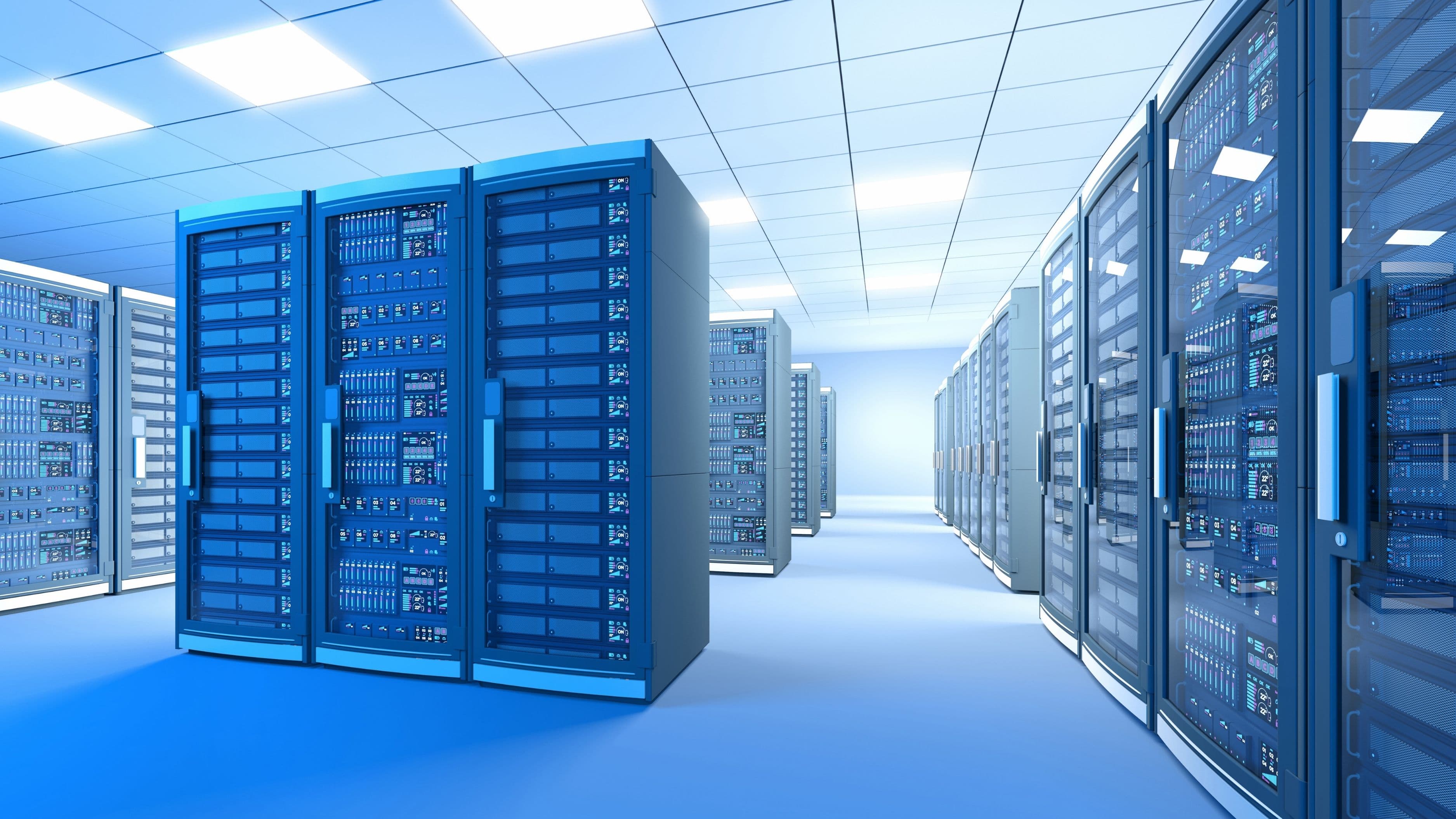
The timing isn't random. AI model training has created an energy and bandwidth problem that's becoming impossible to ignore. Massive AI clusters need to move enormous amounts of data between thousands of chips constantly, and every bit of that movement over copper wiring costs power and generates heat. Data center energy consumption has become a genuine bottleneck for scaling AI infrastructure further, not just an environmental talking point.
Companies like Nvidia have already started integrating silicon photonics into their networking hardware specifically to address this bottleneck in AI data centers, aiming to move data between GPUs with less energy loss than traditional electrical interconnects allow.
Startups like Lightmatter have raised significant funding specifically pitching photonic interconnects as a way to keep scaling AI hardware without hitting a power wall. Meanwhile, companies like PsiQuantum are pursuing photonics for an entirely different application, quantum computing, using photons as the actual qubits that perform quantum calculations, which is a distinct but related use of the same underlying light-based approach.
The core argument driving investment here is straightforward: if AI infrastructure keeps scaling the way it has, the energy cost of moving data around, not just computing it, becomes one of the biggest constraints on how much bigger these systems can get. Photonic interconnects are one of the more credible near-term answers to that specific problem.
How This Shows Up in Real Products
This isn't purely theoretical anymore. Silicon photonics is already used in high-speed data center networking today, moving data between servers using optical transceivers, a technology that's been maturing for over a decade in telecommunications before AI created a new, urgent use case for it. What's changed recently is the push to bring photonic interconnects even closer to the chip itself, connecting individual processors rather than just entire server racks, which is a much harder engineering problem involving precise alignment of lasers and waveguides at a much smaller scale.
Nvidia's co-packaged optics initiative, announced as part of its next-generation networking roadmap, is a direct example of this shift, integrating photonic components directly alongside networking silicon rather than treating optics as a separate add-on component. The goal is fewer conversions between electrical and optical signals, which is where a lot of the current energy loss actually happens.
On the more experimental end, companies are also exploring optical processors that perform certain types of calculations, particularly the matrix multiplications that dominate AI workloads, directly using light rather than electronic transistors. This remains a much earlier-stage research area, with real technical hurdles around precision and error correction that haven't been fully solved yet, but it represents the more ambitious long-term vision beyond just faster interconnects.
The Honest Limitations
Photonic computing isn't a straightforward replacement for existing chip technology, and it's worth being skeptical of any framing that suggests it will make traditional silicon obsolete anytime soon. Manufacturing optical components at the scale and cost of existing semiconductor fabrication remains a genuine challenge. Aligning lasers and waveguides with the precision needed for reliable operation is significantly harder than printing electrical circuits, and the industry hasn't fully solved how to do this at a cost that makes sense for consumer devices.
There's also the matter of what photonics is actually good at. It excels at moving data efficiently over distance, less so at the kind of dense, flexible logic operations that transistors handle well. That's part of why most current commercial efforts focus on interconnects rather than full optical processors, and why "computer entirely powered by light" headlines tend to oversell where the technology actually stands today.
Why It Matters Beyond the Hype Cycle
The practical reason to pay attention here isn't that photonic computing will replace your laptop's processor next year, it won't. It's that the specific bottleneck driving this investment, the energy cost of moving data at AI scale, is a real and growing constraint that affects how fast AI capabilities can keep advancing, how much AI infrastructure ends up costing to run, and how much electricity the industry consumes doing it. If photonic interconnects deliver even part of their promised efficiency gains, it changes the economics of building and running the massive compute clusters behind the AI tools already showing up in daily life.
It's also a useful example of how progress in computing doesn't always come from making transistors smaller, the strategy that drove most improvements for decades. Sometimes it comes from rethinking a completely different part of the system, in this case, how information physically moves rather than how it's processed, which is exactly the kind of shift worth watching even if the timeline for full maturity is still measured in years rather than months.
FAQ
Is photonic computing the same as quantum computing? No, though they can overlap. Photonic computing generally refers to using light for data movement or processing in classical computing, while some quantum computing approaches specifically use photons as qubits. PsiQuantum's approach is a case where both intersect.
Will photonic chips replace the processor in my phone or laptop? Not in the foreseeable future. Current commercial applications are concentrated in data center networking and AI infrastructure, not consumer device processors.
Is this actually more energy efficient, or is that still theoretical? Silicon photonics for data movement is already deployed and measurably more energy efficient for high-speed networking. Full optical computing for logic operations remains earlier-stage and less proven at scale.
Which companies are leading in this space? Nvidia has integrated silicon photonics into its data center networking roadmap, Lightmatter is a notable startup focused on photonic interconnects and computing, and PsiQuantum is applying photonics specifically to quantum computing.