
This matters well beyond the energy industry itself. As more of daily life runs on electricity, from electric vehicles to data centers powering AI, the grid's ability to adapt quickly becomes a bottleneck for a lot of the technology you interact with directly.
Why the Old Grid Model Is Breaking Down
Traditional grids were built for predictable, centralized power generation and relatively stable demand patterns. That predictability has disappeared on both ends. On the supply side, renewable energy sources like solar and wind generate power intermittently, depending on weather and time of day, which the old one-directional grid wasn't designed to handle gracefully.
On the demand side, electric vehicle charging, data center growth, and extreme weather events are creating demand spikes that are far less predictable than the steady patterns utilities historically planned around. The result is a grid increasingly asked to do more, faster, with more variability, using infrastructure and software built for a much simpler era.
Where Startups Are Focusing Their Efforts
Grid Software and Real-Time Balancing
A significant portion of grid innovation right now isn't about physical infrastructure at all, it's about software that manages the complexity of balancing supply and demand in real time. Startups are building platforms that can predict demand spikes, coordinate distributed energy sources, and automatically adjust power flow across a network far faster than traditional utility systems can.
This matters because the traditional grid relies heavily on manual forecasting and relatively slow adjustment processes. Software-driven balancing systems can respond to fluctuations within seconds rather than the hours or days traditional systems might take to recalibrate.
Virtual Power Plants
One of the more interesting developments is the rise of virtual power plants, networks of smaller, distributed energy resources, like home solar panels and batteries, that are coordinated through software to function collectively like a single large power plant. Instead of building one massive facility, these systems aggregate thousands of small ones.
This approach turns homes and businesses with solar panels or battery storage into active participants in the grid rather than passive consumers, and it can be deployed much faster than traditional power plant construction, since it relies on existing distributed infrastructure connected through software rather than large new physical builds.
Grid-Scale Battery Management
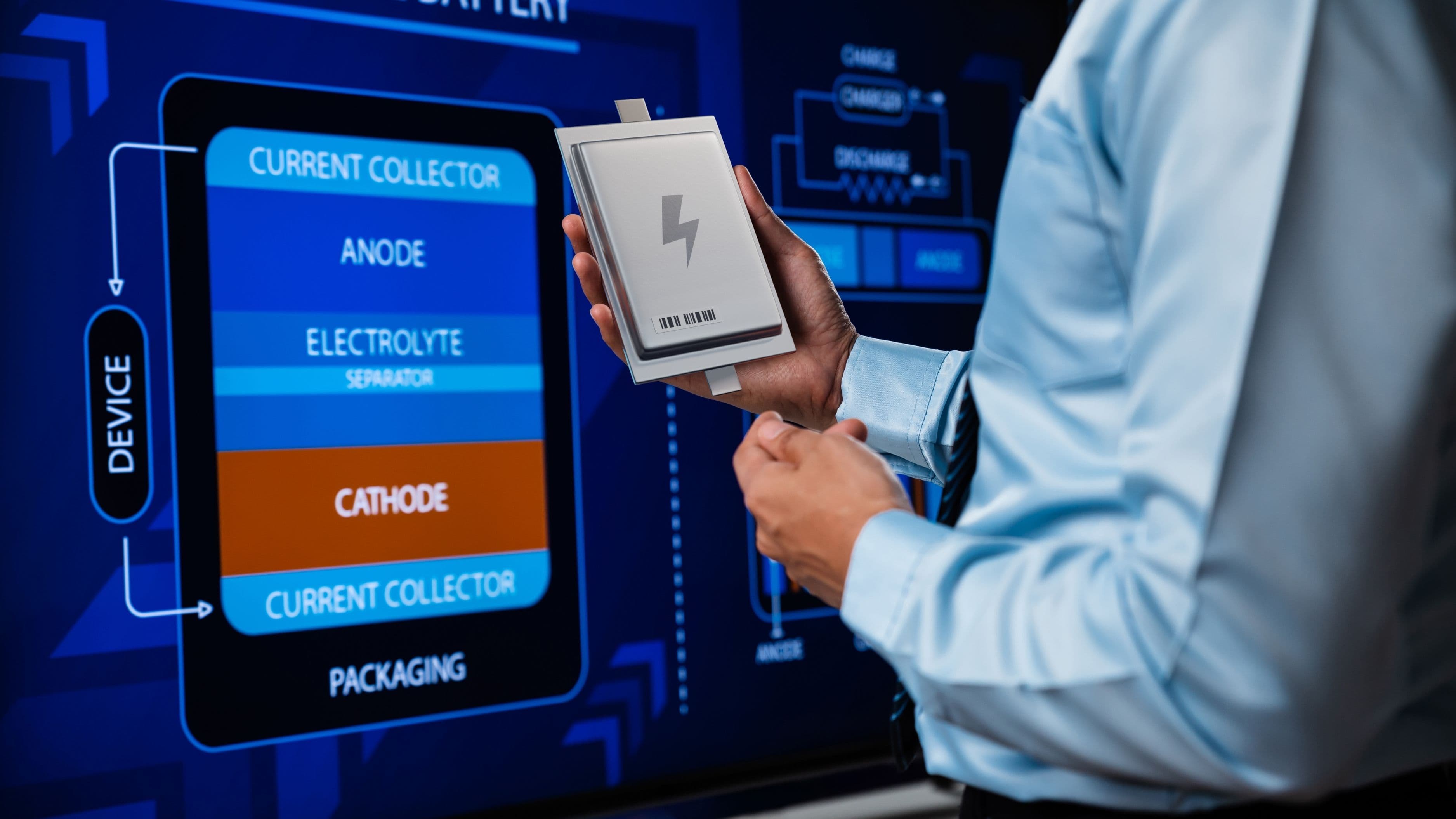
As battery storage becomes cheaper and more widespread, managing when to charge and discharge these systems efficiently has become its own complex software problem. Startups are building optimization platforms that decide, often algorithmically, when storing energy or releasing it back to the grid provides the most value, based on real-time pricing and demand data.
This kind of software-driven optimization can significantly extend the economic value of battery storage investments, since poorly timed charging and discharging can waste much of the potential benefit these systems offer.
AI-Powered Demand Forecasting
Accurately predicting electricity demand has always mattered for utilities, but the stakes and complexity have both increased significantly. Startups are applying machine learning models that incorporate far more variables, weather patterns, EV adoption rates, even social events, than traditional forecasting methods to predict demand with greater precision.
Better forecasting reduces the need for expensive backup power generation that traditionally existed just to cover worst-case demand spikes, which can translate into real cost savings passed down the line.
Grid Resilience and Outage Prediction
Extreme weather events have made grid resilience a growing priority, and some startups are focused specifically on predicting where and when outages are likely to occur, using data from weather patterns, equipment age, and historical failure points. This allows utilities to proactively reinforce vulnerable areas rather than only responding after outages happen.
This shift from reactive to predictive grid management mirrors similar shifts happening in manufacturing and other infrastructure sectors, where cheap sensors and better algorithms are making prevention more viable than repair.
Why This Matters Beyond the Energy Sector
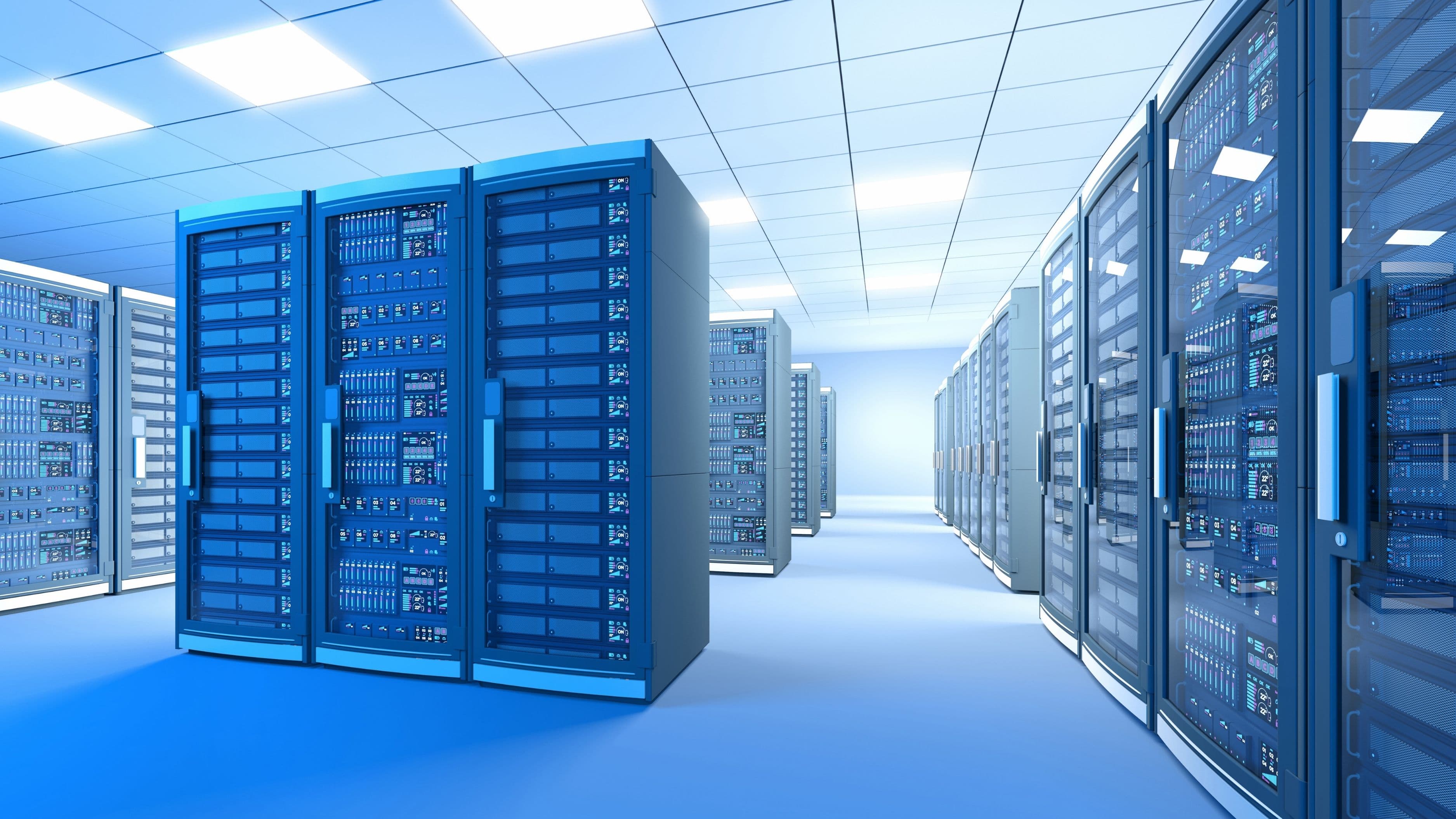
The push to modernize the grid connects directly to broader technology trends you're probably already following. Data centers powering AI systems require enormous, consistent power supplies, and grid limitations are already becoming a bottleneck for how quickly new data center capacity can come online in some regions.
Electric vehicle adoption depends heavily on a grid that can handle widespread, often simultaneous charging demand without straining local infrastructure. And the broader push toward renewable energy adoption is fundamentally limited by how well the grid can handle intermittent, distributed power sources rather than steady centralized generation.
Challenges Standing in the Way
Despite genuine innovation, this space faces real obstacles. Utility regulation moves slowly, often for legitimate safety and reliability reasons, which can create friction for startups trying to deploy new technology quickly. Integrating new software systems with aging physical infrastructure, some of it decades old, also presents real technical challenges that don't always translate cleanly from a pitch deck to an actual substation.
There's also a coordination problem: unlike a single company building a product, grid modernization requires cooperation between startups, established utilities, and regulators, all of whom have different incentives and timelines.
What to Watch Next
Keep an eye on how quickly virtual power plant models scale, since their success depends heavily on consumer participation, people actually opting into programs that let their home batteries or solar systems be coordinated remotely. Also worth watching is how regulatory bodies adapt policies to accommodate more distributed, software-coordinated energy models rather than the traditional centralized utility structure.
FAQ
What is a virtual power plant? A virtual power plant is a network of smaller, distributed energy resources, like home solar panels and batteries, coordinated through software to function collectively like a single large power plant.
Why is the power grid becoming a bottleneck for AI and EVs? Both data centers and electric vehicle charging require significant, often unpredictable amounts of power, and much of the existing grid infrastructure wasn't designed to handle that kind of variable, high demand.
Are startups replacing traditional utility companies? Not typically. Most startups in this space work alongside utilities, providing software and technology that helps them manage an increasingly complex grid rather than replacing the utilities themselves.
📚 Sources
"Virtual Power Plants" – U.S. Department of Energy – https://www.energy.gov/oe/articles/virtual-power-plants
"Grid Modernization Initiative" – U.S. Department of Energy – https://www.energy.gov/gdo/grid-modernization-initiative
"Electricity Demand from Data Centers" – International Energy Agency – https://www.iea.org/reports/electricity-2024