Introduction: The Death of the Code Monkey
For decades, the standard software engineering career path was straightforward: learn a programming language, master a framework, write thousands of lines of code manually, and slowly climb the ladder from Junior to Senior Engineer. Success was measured by syntax fluency, typing speed, and the ability to manually debug complex memory leaks or race conditions.
In 2026, that era is officially over.
With the rise of autonomous AI coding agents, multi-file code generators, and IDEs that can write entire modules from a single natural language prompt, the value of manual code writing has plummeted. Writing boilerplate code, configuring webpack, or manually translating designs into HTML/CSS are tasks now completed by AI in seconds.
But this shift has not made software engineers obsolete. Instead, it has birthed a highly lucrative, highly strategic new role: The Software Orchestrator.
A Software Orchestrator does not spend their day typing out syntax. Instead, they act as a system architect, product manager, and technical conductor, directing teams of autonomous AI agents to build, test, and deploy complex software systems at unprecedented speeds.
In this guide, we will define this new career path, outline the core skills you must master to thrive, and map out a step-by-step roadmap to level up your engineering career in 2026.
What is a Software Orchestrator?
A Software Orchestrator is an AI-native systems engineer who leverages autonomous agents to design, construct, and maintain software.
Think of the relationship like building a skyscraper:
- The AI Agents: The construction workers. They lay the bricks, pour the concrete, and run the wiring (writing individual files, generating tests, refactoring modules).
- The Software Orchestrator: The architect and project manager. They design the blueprints, coordinate the workers, verify structural integrity, and ensure the building meets safety codes and client requirements.
By shifting from a "builder" to a "conductor," a single Software Orchestrator can achieve the output of an entire traditional 10-person engineering team, delivering production-grade applications in days rather than months.
The Paradigm Shift: Coding vs. Orchestration
To succeed in this new landscape, you must completely reframe your relationship with software development:
| Skill Dimension | Traditional Engineer (2020) | Software Orchestrator (2026) |
|---|---|---|
| Primary Tool | Text Editor & Compiler | Agentic IDEs & Prompt Registries |
| Focus Area | Syntax, Algorithms, Frameworks | System Architecture, Security, UX |
| Debugging | Manual Breakpoints & Logs | Agent Replay & Prompt Auditing |
| Velocity Metric | Pull Requests merged per week | Features shipped per day |
Core Skills to Master
To transition from a traditional coder to a Software Orchestrator, you must develop a highly specialized, AI-native skillset:
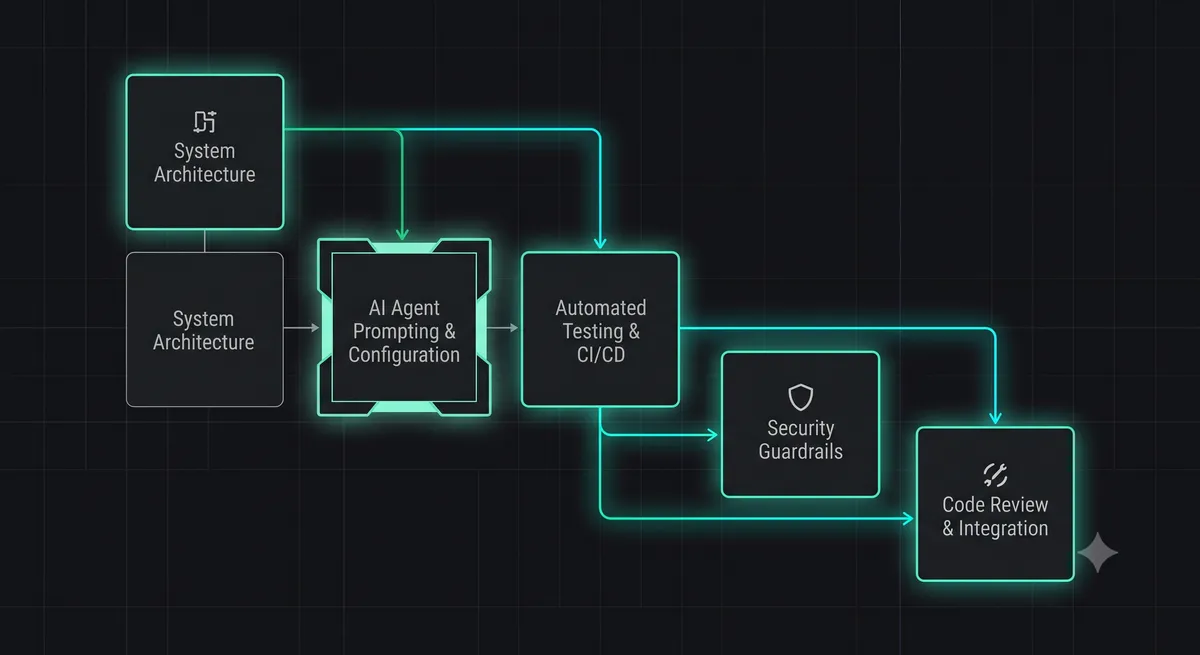
- Advanced System Design & Architecture: Because AI writes the code, you must design the high-level architecture. You need to know how to structure microservices, design secure database schemas, and optimize API boundaries so that AI agents can implement them cleanly without architectural drift.
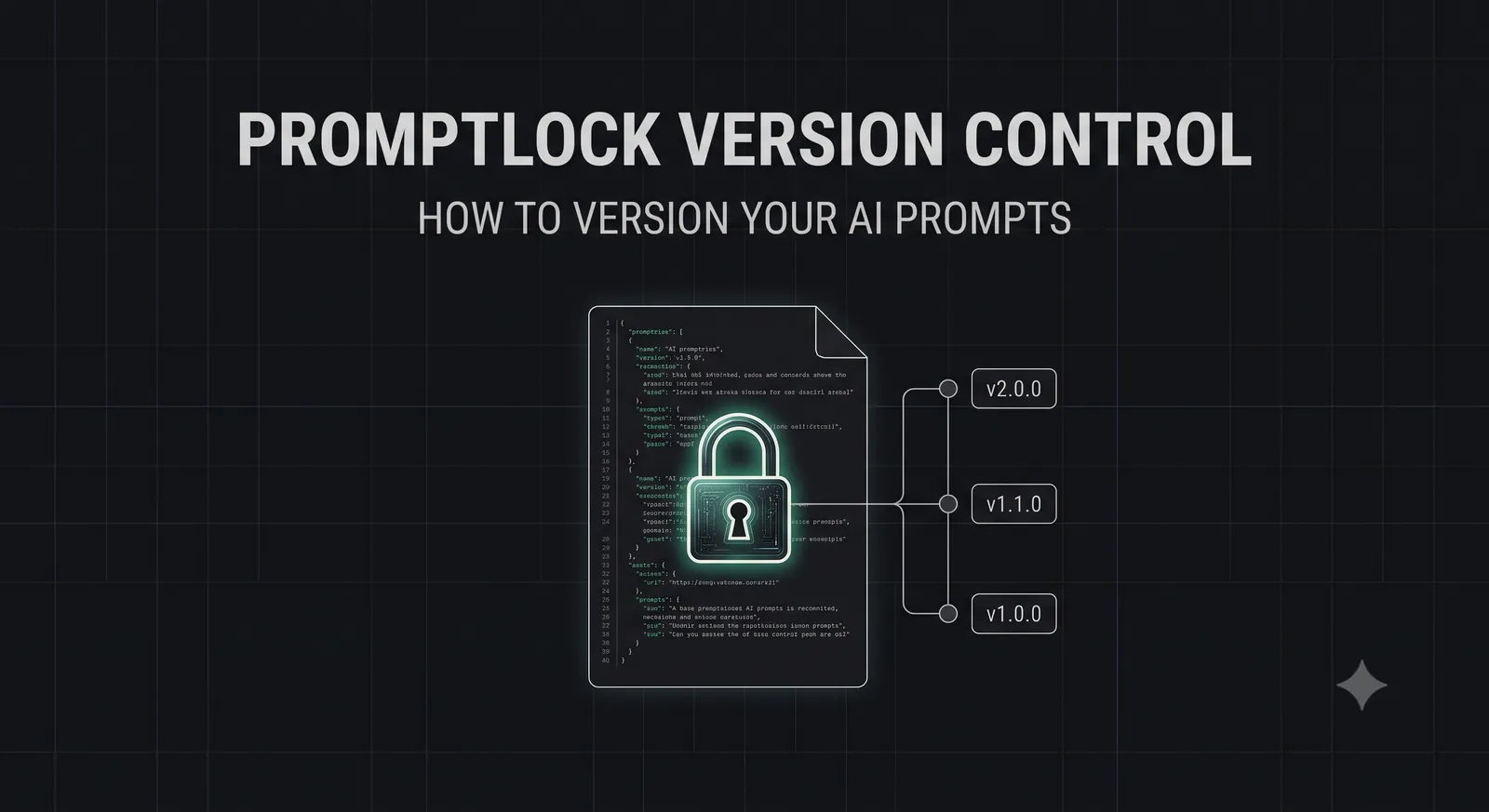
- Agentic Prompt Engineering & PVCS: Master the art of writing highly structured, unambiguous instructions for autonomous agents. Learn to use Prompt Version Control Systems like Promptlock to manage, test, and deploy prompts securely. Read our guide on Promptlock Version Control to learn more.
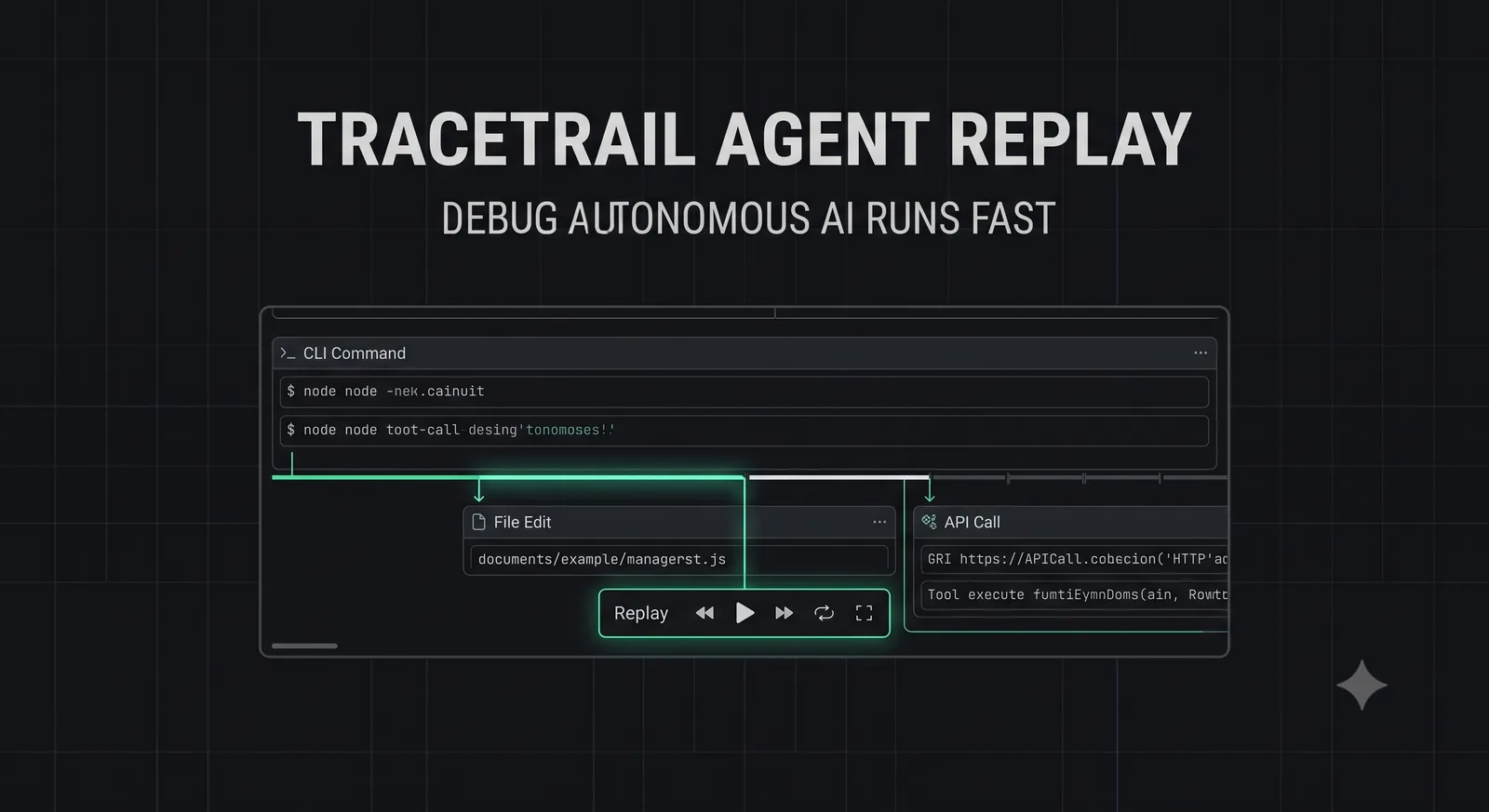
- Agentic Observability & Debugging: Learn to debug autonomous runs using flight-recorder tools like TraceTrail. Instead of reading standard stack traces, master the ability to audit an agent's reasoning, tool calls, and file system diffs. Read our guide on TraceTrail Agent Replay to learn more.
- Zero Trust Security & Guardrails: AI-generated code can introduce subtle security vulnerabilities or prompt injection vectors. You must master API security, biometric authentication, and automated security scanning to audit AI outputs before they reach production. Read our Zero Trust Security Guide to learn more.
Career Progression Path
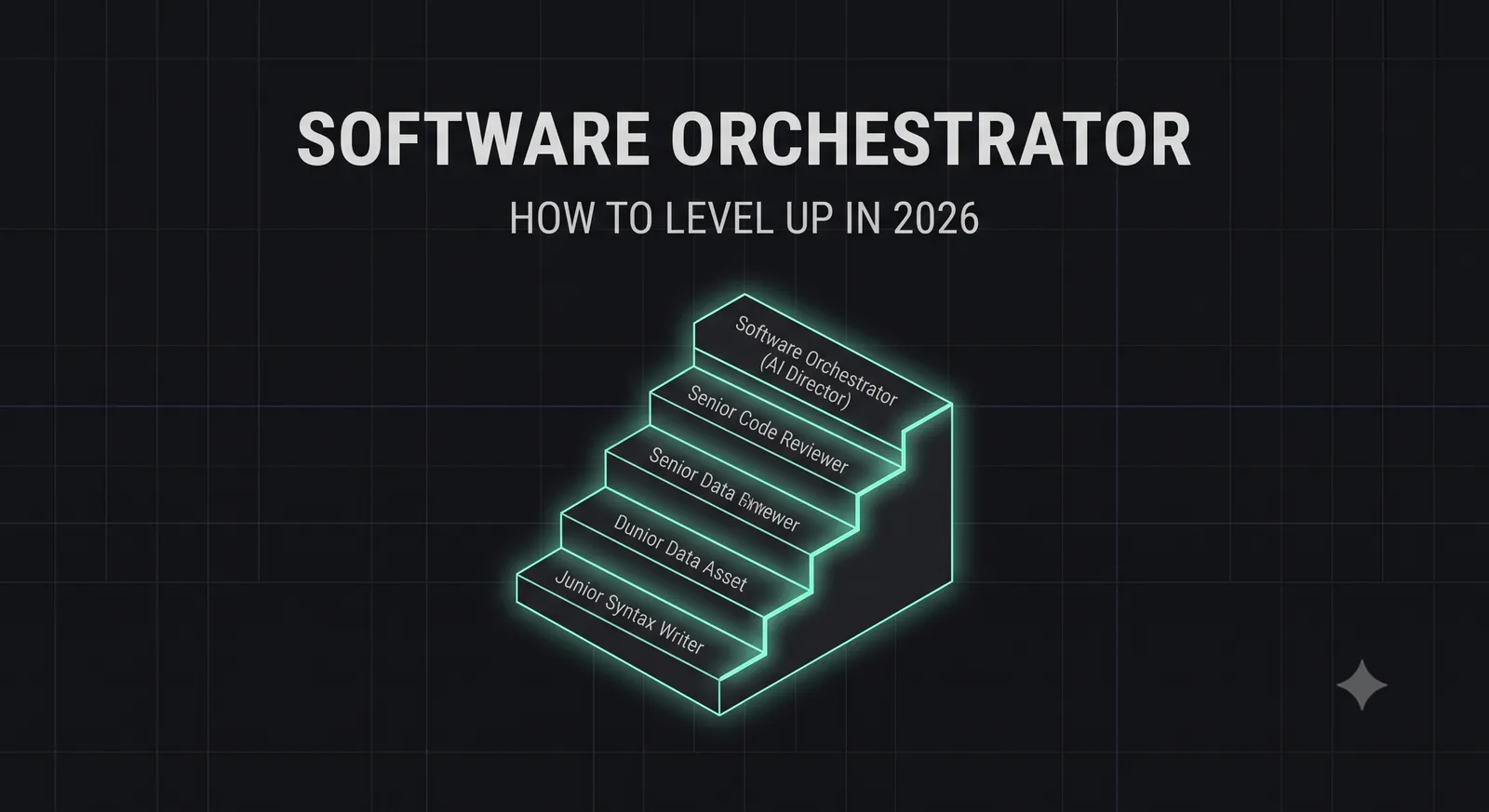
The Software Orchestrator career path features distinct tiers of leadership and responsibility:
Tier 1: AI-Native Engineer
Focuses on single-file and single-module generation. Uses tools like Cursor, GitHub Copilot, and v0 to build UI components and simple API endpoints. Success is measured by feature delivery velocity and prompt efficiency.
Tier 2: Software Orchestrator
Orchestrates multi-agent workflows to build entire applications. Designs system architectures, configures project rules (CLAUDE.md), and manages prompt registries. Success is measured by system reliability, security, and architectural integrity.
Tier 3: Principal Systems Conductor
Designs and maintains custom agentic infrastructure for the entire enterprise. Builds custom MCP servers, implements automated CI/CD testing pipelines for prompts, and audits agent costs and token consumption at scale.
A Day in the Life of a Software Orchestrator
What does a typical day look like for a Software Orchestrator in 2026?
- 09:00 AM - Architecture Blueprinting: Design the system architecture for a new real-time payment feature using a visual whiteboard tool. Define the database schemas and API boundaries.
- 10:30 AM - Agent Task Delegation: Initialize a multi-agent workspace (like GitHub Copilot Workspace or Devin). Feed the architectural blueprints and system instructions into the workspace, launching parallel agents to implement the database migrations, API routes, and frontend components.
- 01:00 PM - Code Review & Auditing: Review the code generated by the agents. Instead of reviewing line-by-line syntax, focus on architectural compliance, security vulnerabilities, and edge cases. Use automated tools to run security audits.
- 03:30 PM - Observability & Replay: An agent failed to implement a complex third-party webhook integration. Open TraceTrail Agent Replay to visually step through the agent's run, identifying the exact step where the agent hallucinated the webhook's payload structure. Refine the system instructions and restart the run.
- 05:00 PM - Prompt Deployment: Update the system instructions for the payment summary generator inside Promptlock, run automated regression tests, and tag the new version as
productionto deploy the change instantly with zero downtime.
How to Start Today: Your 2026 Action Plan
If you want to transition into a Software Orchestrator role, stop focusing on syntax memorization and start building your AI-native toolkit:
- Stop Writing Boilerplate: Force yourself to use AI tools (Cursor, Aider, v0) for all code generation. If you find yourself manually typing out a standard React component or Express router, stop and write a prompt instead.
- Master System Architecture: Study distributed systems, database indexing, API gateway design, and microservice communication. Your value is no longer in *how* to write code, but in *what* code to write.
- Learn to Configure Environments: Master project rule configurations (
CLAUDE.mdor.cursorrules) to guide AI agents effectively. Read our guide on CLAUDE.md Project Rules to learn how.
Conclusion: Embrace the Future
The rise of autonomous AI coding agents is not a threat to software engineers; it is an incredible opportunity.
By letting go of manual syntax writing and embracing the role of a Software Orchestrator, you can leverage AI to build massive, reliable, and secure software systems at speeds never before possible.
The future of engineering belongs to the conductors, not the builders. It's time to pick up the baton.