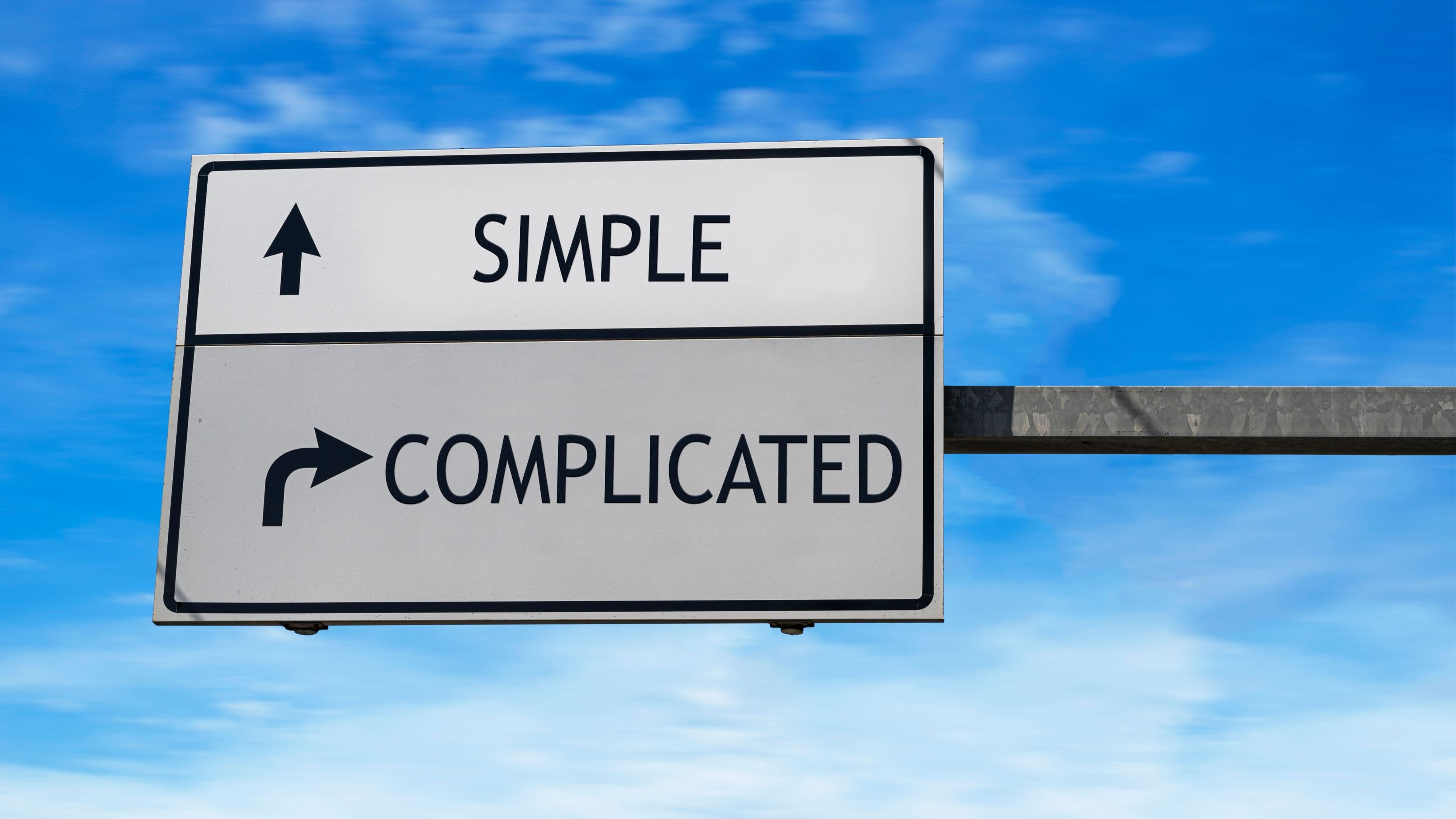
The Real Reason Complicated Systems Fail
Every added feature, category, or step in a productivity system comes with a maintenance cost, and that cost compounds quietly until the system itself becomes a source of friction rather than relief. A task manager with fifteen custom tags and four nested project hierarchies looks impressive in a screenshot, but in daily use, deciding which tag applies to a five-minute task takes longer than just doing the task. Once a system requires more thought to use correctly than the work it's organizing, people quietly stop using it, usually without even consciously deciding to quit.
This isn't just a productivity blog opinion, it lines up with how attention and decision fatigue actually work. Every unnecessary choice a system forces you to make, like which of seven folders a note belongs in, draws from the same limited pool of mental energy you need for the actual work. Complexity doesn't just slow a system down, it actively drains the resource that productivity systems are supposed to protect.
Why Simplicity Holds Up Over Time
A simple system, by contrast, asks very little of you to keep it running. A single running task list, a basic calendar, and one place to jot quick notes cover the vast majority of what most people actually need day to day. Because there's so little overhead, a simple system survives busy weeks, stressful periods, and the natural human tendency to fall out of habits, since picking it back up after a lapse takes seconds rather than requiring you to rebuild a complicated structure from scratch.
This durability matters more than most people initially expect. A perfect system used for two weeks produces far less real output than an imperfect, simple system used consistently for two years. Productivity isn't really about the elegance of the system, it's about whether you actually keep using it when life gets messy, and simple systems are dramatically more resilient to that kind of disruption.
What This Looks Like in Practice
Consider two people trying to manage their tasks. One builds an elaborate setup in a tool like Notion, with linked databases for projects, sub-tasks, priorities, energy levels, and time estimates, all connected through custom formulas. The other keeps a single running list in a basic notes app, adding tasks as they come up and crossing them off as they're done.
The elaborate system captures more nuance in theory, tracking exactly how a task relates to a broader project and what mental energy it requires. But maintaining that nuance requires constant upkeep, and the moment life gets busy, that upkeep is the first thing to slip. The simple list has no such overhead. It's there, it's understood at a glance, and updating it takes seconds regardless of how chaotic the week has been. In practice, the second person is far more likely to still be using their system six months later.
Real-World Impact
This pattern shows up well beyond personal task management. Companies that overcomplicate internal processes with excessive approval chains and specialized software often see slower execution than smaller teams working with a shared spreadsheet and clear communication. In software design, the most successful consumer apps tend to hide complexity behind simple interfaces rather than exposing every possible feature to the user at once, because usability research consistently shows that fewer, clearer options lead to more consistent use than an overwhelming number of choices.
Even in personal finance, the people who consistently save and invest successfully often use simple, automated systems, like a single recurring transfer into an index fund, rather than complex active trading strategies that require constant monitoring and decision-making.
The pattern repeats because it reflects something fundamental about how humans sustain behavior over time: less friction produces more consistency, and consistency is what actually produces results.
Future Outlook
As productivity tools continue adding more AI-driven automation and customization options, the temptation toward complexity is likely to grow rather than shrink, since more features are an easy way for software companies to differentiate their products. This makes the discipline of choosing simplicity more valuable, not less, going forward. The tools capable of the most complexity will keep expanding, but the people who benefit most will likely still be the ones who deliberately choose to use only a fraction of what's available, built around a small number of habits they can sustain indefinitely.
FAQ
Does this mean productivity apps with lots of features are bad? Not necessarily. The problem isn't the existence of features, it's using more of them than you actually need. A powerful tool used simply can work just as well as a genuinely simple tool.
How do I know if my current system is too complicated? A good sign is hesitation. If you find yourself avoiding opening your task manager or spending more time organizing than doing the actual work, that's a signal the system has outgrown its usefulness.
What's the easiest way to simplify an existing overcomplicated system? Start by removing rather than adding. Cut categories, tags, or steps you haven't used in the past month, and only add complexity back if you notice a specific, recurring problem it would solve.
📚 Sources
American Psychological Association – "Decision Fatigue and Willpower." https://www.apa.org/
Nielsen Norman Group – "Simplicity Wins: Usability Research Findings." https://www.nngroup.com/articles/simplicity-vs-choice/
Harvard Business Review – "The Hidden Costs of Organizational Complexity." https://hbr.org/