
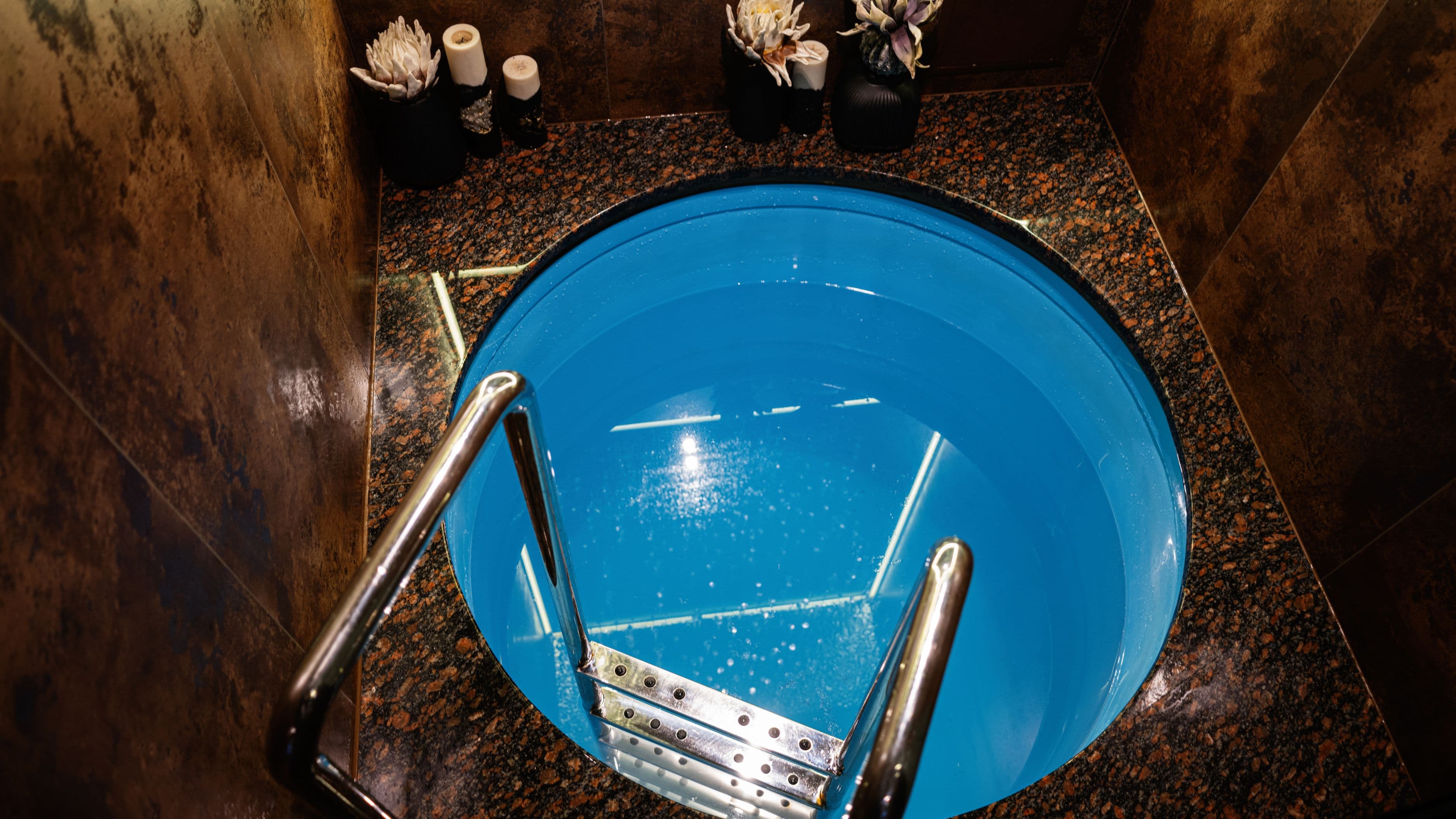
This is a discipline problem before it's a construction problem. Treat it that way and the installation goes the way a protocol should.
Why Permits Come Before Anything Else
Most municipalities classify a plunge pool the same way they classify a full-size pool once it holds water above a certain depth, typically somewhere between 18 and 24 inches depending on local code. That means barrier requirements, electrical inspections, and setback rules from property lines all apply, even to a unit that looks more like an oversized tub than a pool.
Skipping this step isn't a minor risk. Uninspected electrical work near standing water is one of the more serious hazards in residential construction, and insurers routinely deny claims tied to unpermitted pool installations. Before ordering equipment, pull the actual code requirements from your local building department rather than relying on the installer's assumptions about what's needed – requirements vary enough by jurisdiction that a protocol that worked for a friend two towns over may not clear inspection where you live.
Fencing and barrier rules deserve specific attention here. Many codes require a self-latching gate or an isolation fence around any pool deeper than a specified threshold, and retrofitting that after installation is more expensive than designing it in from the start.
Plumbing: The System That Determines Water Quality
A plunge pool's plumbing has one job that matters more than any other: keeping cold water cold and clean without excessive energy draw. Most residential units rely on either a chiller-and-filter loop or a simpler drain-and-refill system, and the choice has real downstream consequences.
Chiller-based systems recirculate the same water, cooling it down to a target range – usually 39 to 55 degrees Fahrenheit for cold-plunge protocols – and filtering it continuously. This setup costs more upfront but keeps water usage and ongoing costs predictable over time. Drain-and-refill systems are cheaper to install but come with real recurring costs: refilling a plunge pool with fresh cold tap water, especially in warmer climates, uses meaningfully more water and doesn't guarantee the temperature range a chiller can hold consistently.
Plumbing placement also determines maintenance burden long-term. Equipment pads should sit close enough to the pool for efficient line runs but accessible enough that filter changes and chiller servicing don't require crawling under a deck. Skimping on access here is a common mistake that turns a five-minute filter swap into a half-day project.
Power: Sizing It Correctly the First Time
Chillers are the most power-intensive component in most plunge pool setups, and undersizing the electrical circuit is one of the most common installation failures. A dedicated circuit, sized to the chiller manufacturer's specifications with appropriate ground-fault protection, is non-negotiable – shared circuits with other high-draw appliances lead to nuisance trips at best and unsafe overloads at worst.
Ground-fault circuit interrupter protection is required by code in virtually every jurisdiction for equipment operating near water, and for good reason: it's the single component most responsible for preventing electrical shock in a wet environment. If your installer suggests skipping or bypassing GFCI protection to solve a nuisance-tripping problem, that's a signal to get a second opinion, not a reason to proceed.
For anyone adding a heater alongside the chiller for contrast therapy setups, the power draw compounds quickly. Get a licensed electrician to calculate total amperage needs across chiller, heater, pump, and any lighting before finalizing your panel capacity, rather than adding equipment piecemeal and hoping the existing panel can absorb it.
Realistic Timeline and Costs
A straight-forward above-ground plunge pool installation, once permits are approved, typically takes one to two weeks for site prep, plumbing, electrical rough-in, and final inspection. In-ground installations run considerably longer, often four to eight weeks, due to excavation and structural work. Permit approval timelines vary widely by jurisdiction, from a few days to several weeks, and building that buffer into your planning avoids the common mistake of scheduling installation crews before approval is actually in hand.
Total costs for a residential setup, including permitting, plumbing, and electrical work, commonly range from $8,000 to $25,000 depending on whether the unit is prefabricated or custom-built, and whether in-ground excavation is involved.
Common Mistakes to Avoid
The most frequent failure point isn't the pool itself – it's sequencing. Ordering equipment before confirming permit requirements, or scheduling electrical work before the chiller's actual amperage specs are in hand, creates costly rework. Another common mistake is undersizing the equipment pad footprint, which limits future upgrades like adding a heater for contrast protocols. Finally, skipping a professional water test on your fill source can leave you dealing with mineral buildup or filtration issues that a five-minute test would have flagged early.
When to Bring in Professionals
A licensed electrician and a permitted pool contractor aren't optional line items to cut for budget reasons – they're the two roles most directly tied to safety and code compliance. General contractors can manage the broader project, but electrical and plumbing work near standing water should go to licensed specialists regardless of how straightforward the rest of the install looks.
As with any home recovery investment, consult a physician before starting a cold-plunge protocol, particularly if you have a cardiovascular condition, are pregnant, or are managing any chronic health issue – installation planning and health screening are two separate steps, and both deserve equal attention before you step in for the first time.
📚 Sources
International Code Council – Residential Pool Barrier Requirements – https://www.iccsafe.org/
National Fire Protection Association – NFPA 70 (National Electrical Code) – https://www.nfpa.org/codes-and-standards/nfpa-70-standard-development/70