What Fine-Tuning Actually Is
Fine-tuning takes an existing, already-trained AI model and continues training it on a smaller, more specific dataset relevant to a particular task or domain. Rather than building a model from scratch, which requires enormous computing resources and data most companies simply don't have access to, fine-tuning adjusts an already-capable model so it performs better on the specific kind of work a company actually needs done, whether that's understanding legal contract language, matching a brand's exact tone, or handling industry-specific terminology accurately.
Think of it less like teaching someone a language from zero and more like taking someone who's already fluent and training them specifically in your industry's jargon and conventions. The foundational capability is already there, fine-tuning sharpens it toward a specific, narrower purpose.
Why This Matters Right Now
For the past couple of years, a lot of companies treated AI capability as something you simply purchased access to through an API, everyone using the same underlying model, differentiated mostly by clever prompting rather than any deeper customization. As more businesses adopt AI into core workflows, that approach is running into a ceiling: a generic model, no matter how good, still produces fairly generic output unless it's shaped around your specific data, tone, and use case.
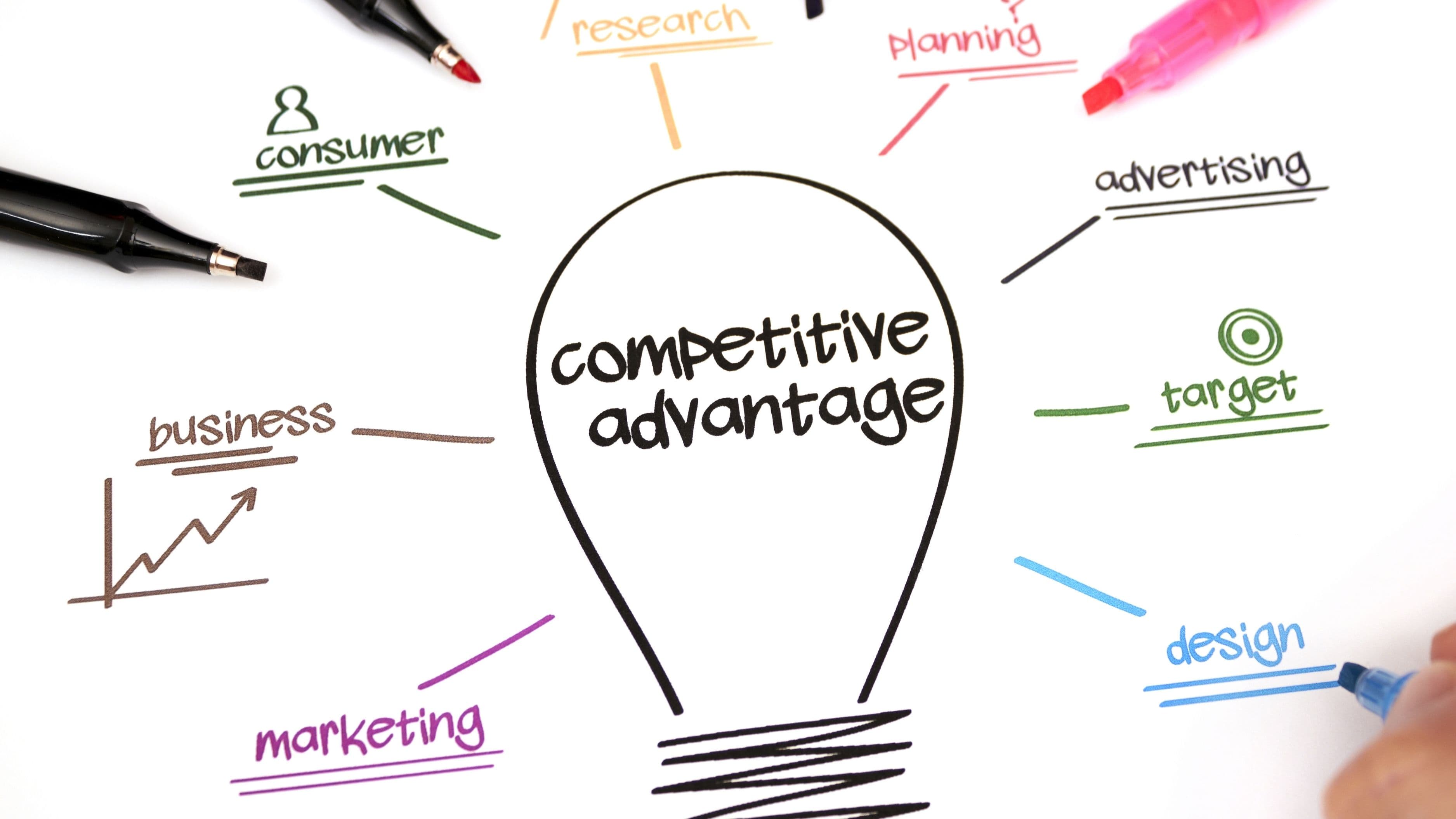
Companies that fine-tune models on their own proprietary data end up with something competitors using the same off-the-shelf model genuinely can't replicate, since the fine-tuned model's improved performance is tied directly to data the competitor doesn't have access to. That's a meaningfully different competitive dynamic than everyone drawing from the same generic capability.
Real-World Examples of the Advantage
Customer support is one of the clearer examples. A generic AI model can handle basic customer questions reasonably well, but a model fine-tuned on a company's actual historical support tickets, product documentation, and resolution patterns handles nuanced, product-specific questions considerably more accurately, and does so with far less need for lengthy prompt engineering to get there. Legal and financial services firms have taken a similar approach, fine-tuning models on internal case histories or compliance documentation so the resulting tool understands institution-specific terminology and precedent in a way a general-purpose model wouldn't.
E-commerce companies have used fine-tuning to build product recommendation and search tools that understand their specific catalog structure and customer language patterns far more precisely than a generic model working purely off prompts describing the same catalog.
Why It's Becoming More Accessible
Fine-tuning used to require a level of machine learning expertise and computing infrastructure that put it out of reach for all but the largest, most resourced companies. That's changed considerably. Techniques like LoRA, or low-rank adaptation, allow for efficient fine-tuning that requires dramatically less computing power than full model retraining, while major AI providers have built increasingly accessible fine-tuning tools directly into their platforms, lowering the technical barrier significantly for mid-sized companies and even individual developers.
This democratization is part of why fine-tuning is turning into a genuine competitive differentiator rather than staying a tool reserved for a handful of tech giants. The playing field for customizing AI has widened considerably even in the past year or two.
The Data Advantage Underneath It All
The real competitive edge in fine-tuning doesn't actually come from the technique itself, it comes from the proprietary data a company uses to do it. Two companies can use the exact same base model and the exact same fine-tuning process, but the one with more relevant, higher-quality historical data will end up with a meaningfully more capable specialized model. This is pushing companies to think differently about their own historical data, support logs, internal documentation, customer interactions, treating it as a genuine strategic asset rather than just an operational byproduct sitting in storage.
This also explains why companies with long operating histories and rich internal data sometimes have a real advantage over newer, better-funded competitors in this specific area, since fine-tuning quality depends heavily on the depth and relevance of the data available to train on.
Risks and Limitations Worth Understanding
Fine-tuning isn't a guaranteed improvement, and a poorly curated or biased training dataset can actually make a fine-tuned model perform worse on certain tasks than the generic base model it started from, since the specialized training can inadvertently narrow the model's broader capabilities in the process. There's also an ongoing maintenance cost, since a fine-tuned model needs periodic retraining as underlying data, products, or terminology evolve, unlike a general-purpose model that gets improved centrally by its provider without any additional work on your end.
Data privacy and security considerations also become more significant with fine-tuning, since the process typically involves feeding proprietary or sensitive company data into a training pipeline, which requires careful attention to how that data is stored, used, and protected throughout the process.
What to Watch Next
Expect continued growth in tools that make fine-tuning more accessible to companies without dedicated machine learning teams, along with growing interest in techniques that combine fine-tuning with retrieval-based approaches, pulling in current, specific information at the moment it's needed rather than relying solely on what's baked into the model during training. As more companies recognize their own data as a genuine strategic asset for this purpose, expect more serious internal investment in organizing and cleaning up historical data that was previously treated as low priority.
Frequently Asked Questions
Is fine-tuning only useful for large companies with significant technical resources? Not anymore. Techniques like LoRA and increasingly accessible platform tools have significantly lowered the technical and computational barrier, making fine-tuning realistic for smaller companies and individual developers, not just large tech firms.
Does fine-tuning always produce better results than a well-crafted prompt? Not necessarily for every use case. For narrower, highly specialized tasks with strong proprietary data available, fine-tuning often outperforms prompting alone, but for more general tasks, careful prompting on a strong base model can still be a reasonably effective and lower-effort approach.
How much data do you actually need to fine-tune a model effectively? It varies significantly by use case and technique, but meaningful improvements are often achievable with a few hundred to a few thousand well-curated, relevant examples, considerably less than the massive datasets required to train a foundation model from scratch.
Fine-tuning is turning proprietary data into a genuine strategic asset, and the companies figuring this out early are building AI tools that competitors using the same generic models simply can't easily replicate. As the tools become more accessible, this is likely to become less of a novel advantage and more of a baseline expectation, which makes now a genuinely relevant time to understand how it works.
📚 Sources
Hugging Face, Introduction to Fine-Tuning Language Models – https://huggingface.co/docs/transformers/training
Stanford Institute for Human-Centered AI, The State of AI Customization – https://hai.stanford.edu