That feeling isn't in your head. Email was designed as a messaging protocol, not a task manager, yet it has quietly become the default place where obligations land. Nobody voted for this. It just happened, one "quick question" at a time.
How a Messaging Tool Became a Shadow To-Do List
Email's original job was simple: move text from one person to another faster than a letter could. There was no built-in concept of priority, deadline, or ownership. Compare that to a task manager like Todoist or Asana, where every item has a due date, an assignee, and a status. Email has none of that structure, so it borrows urgency from whoever hits send.
The result is a system where a coworker's 11 p.m. message and a newsletter you never asked for occupy the same visual space in your inbox. Your brain has to do the sorting that the software refuses to do, and that sorting work is exhausting in a way that's hard to notice until you stop and measure it. Researchers who study attention residue have found that switching between an email thought and whatever you were doing before leaves a cognitive trace that slows you down on both tasks, even after you've closed the tab.
The Psychology of the Unread Badge
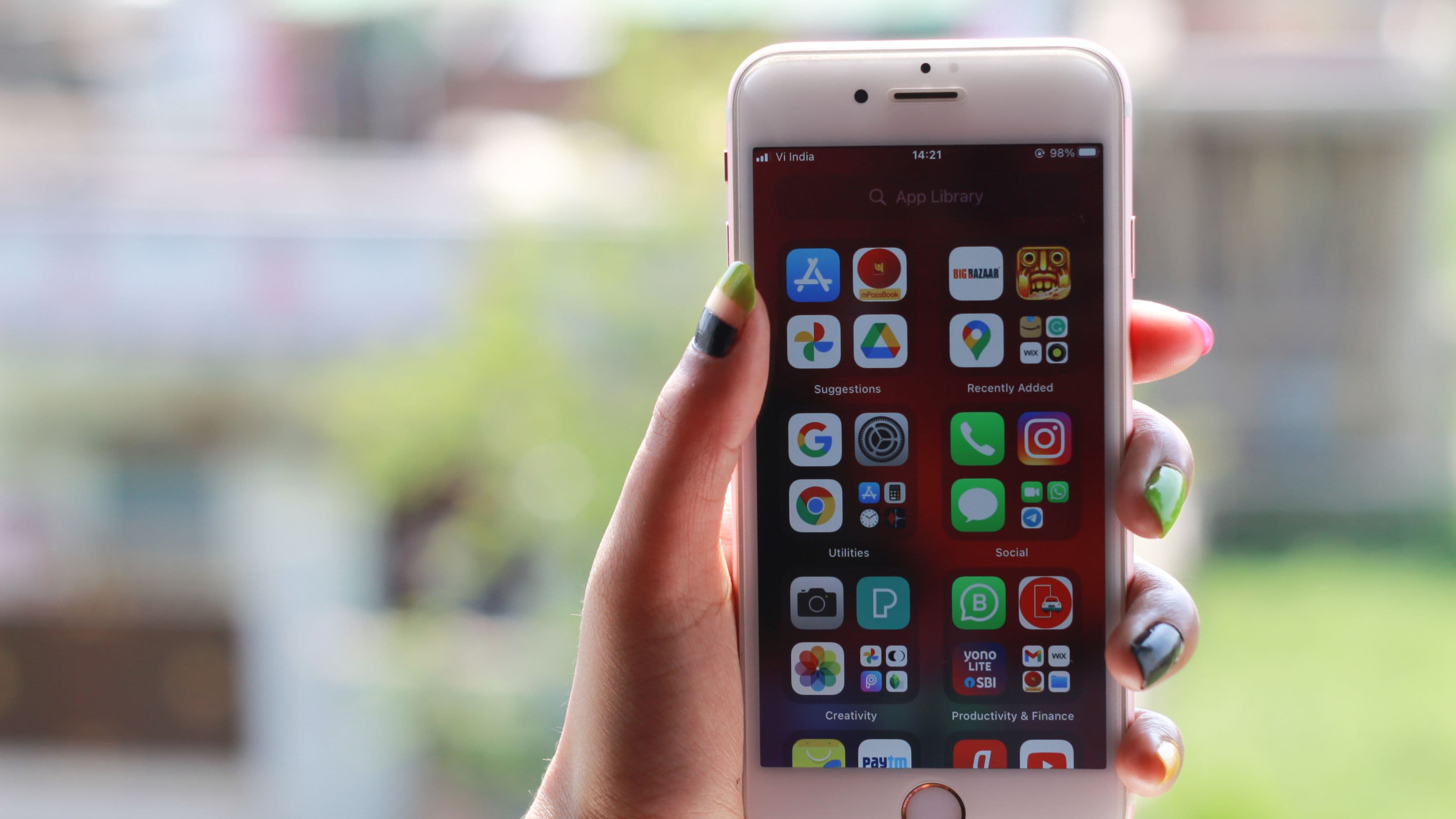
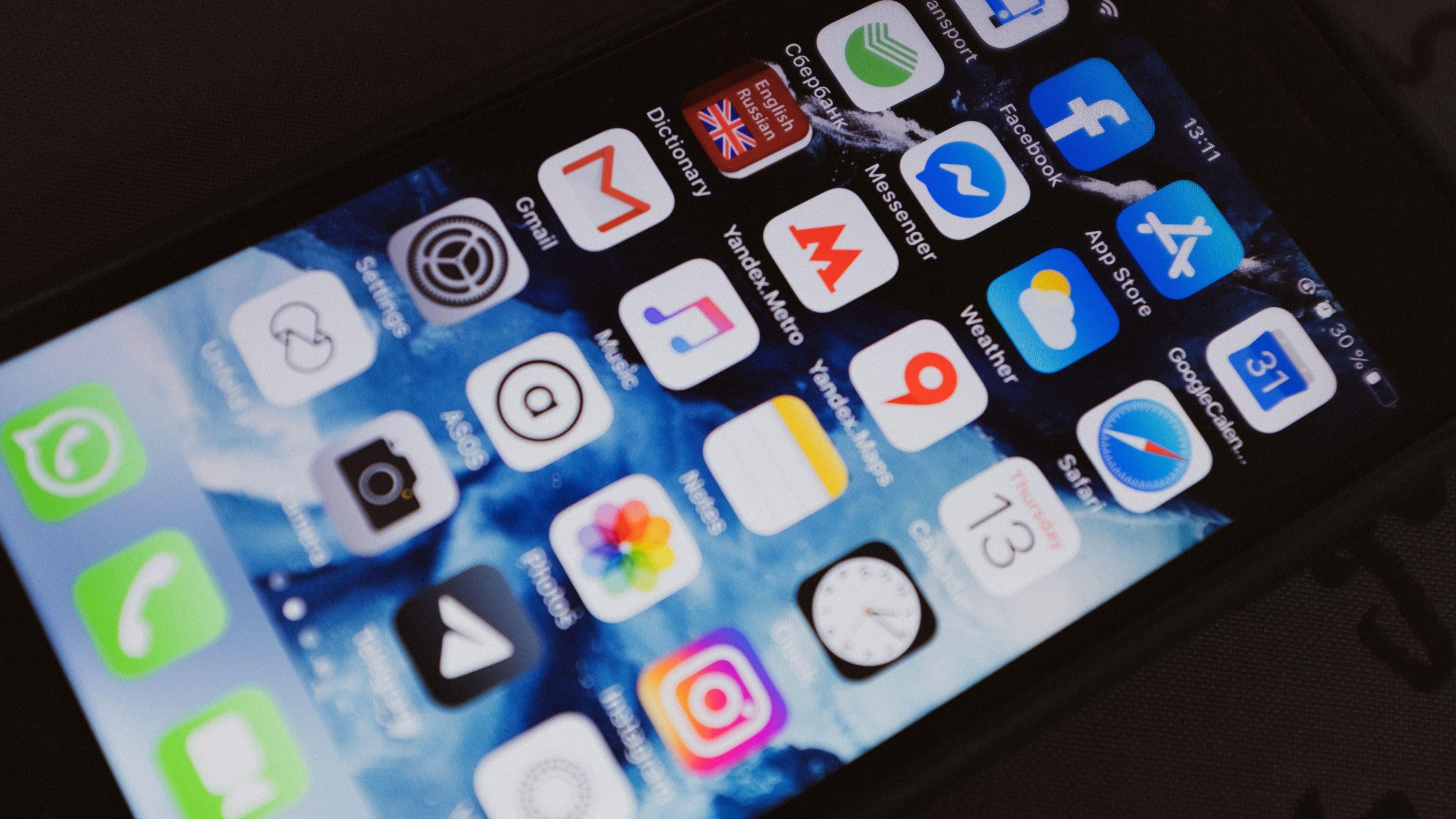
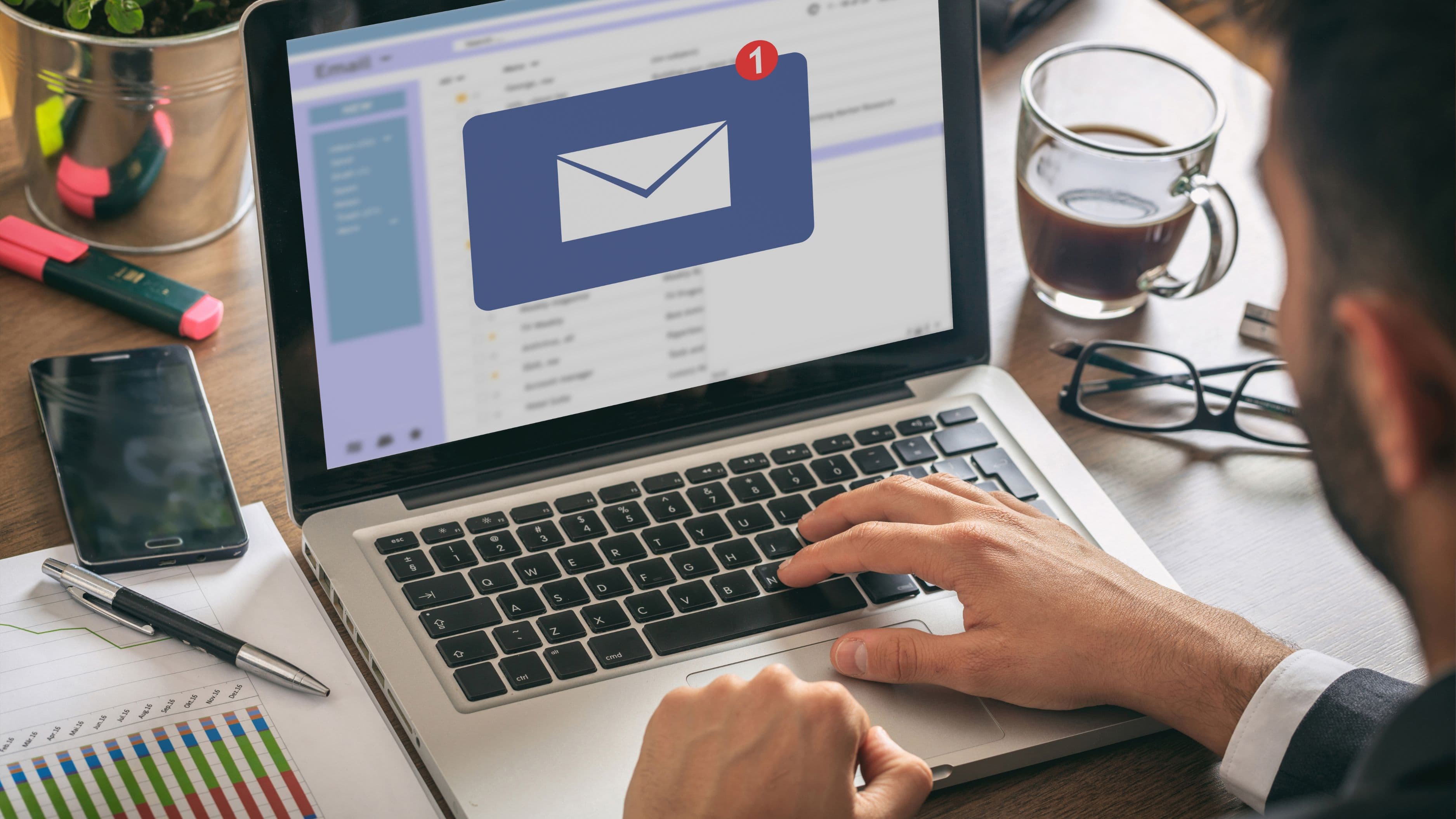
Part of what makes an inbox feel like an obligation is the small red number sitting on top of the app icon. Unread counts tap into what psychologists call the Zeigarnik effect: the tendency for unfinished tasks to occupy more mental space than finished ones. A completed task fades from memory relatively quickly, but an open loop keeps nagging at you in the background.
Email badges turn every incoming message into an open loop by default, whether or not it actually requires action. A shipping confirmation and a request from your manager both increment the same counter, and your brain treats the whole pile as unfinished work until the number hits zero. That's why clearing an inbox can feel briefly euphoric and why refilling it feels like a small defeat.
Why "Inbox Zero" Never Really Solves the Problem
A lot of productivity advice frames inbox zero as the finish line, but that framing misses what's actually happening. Getting to zero doesn't remove the obligations embedded in those messages – it just moves them somewhere else, usually into your memory or a hastily written note. The underlying issue is that email conflates three very different things: information you need to know, requests you need to act on, and noise you never asked to receive in the first place.
Treating all three the same way is what makes the inbox feel heavier than it should. A newsletter and a client request aren't the same category of thing, even though your email client displays them identically.
Practical Ways to Take Back Control
None of this means you have to abandon email, but a few adjustments can shrink the gap between "message received" and "task I now owe someone."
Separate reading from deciding. Skimming your inbox to see what's there is a different activity from deciding what to do about each item, and doing both at once is what makes email feel endless. Try scanning first, then working through a shorter list of items that actually need a response.
Turn real obligations into real tasks. If a message requires more than a two-minute reply, move it out of the inbox and into whatever system you use to track work – even a plain note counts. An email sitting in your inbox isn't a task with a deadline; it's just a message pretending to be one.
Cut the badge's power. Turning off unread counts, or at least muting them for non-essential accounts, removes a lot of the manufactured urgency that keeps you glancing at your phone. The messages that truly need fast attention – a call from your child's school, a work emergency – usually come through a channel with actual urgency signals, not a plain badge.
Set boundaries around response time. Most email doesn't need an instant reply, even though inboxes are built to make every message feel equally pressing. Deciding in advance that non-urgent email gets checked twice a day, rather than continuously, takes away the guesswork about when you're "supposed" to respond.
Why It Matters Beyond Personal Productivity
This isn't just an efficiency question. The blurred line between information and obligation in email has real effects on how people experience their workdays, and increasingly their personal lives, since so much of daily logistics – school forms, bills, appointment reminders – also arrives by email. When every channel doubles as a task list, the mental cost of staying "caught up" quietly grows without anyone deciding it should.
Understanding that email was never designed to manage tasks is the first step toward treating it like the messaging tool it actually is, rather than the silent project manager it accidentally became. The fix isn't a single app or hack – it's recognizing that a full inbox and a full to-do list are two different problems, even though your email client has spent two decades convincing you they're the same thing.
📚 Sources
American Psychological Association – "Multitasking: Switching costs" – https://www.apa.org/topics/research/multitasking
Harvard Business Review – "Stop Email Overload" – https://hbr.org/topic/subject/email