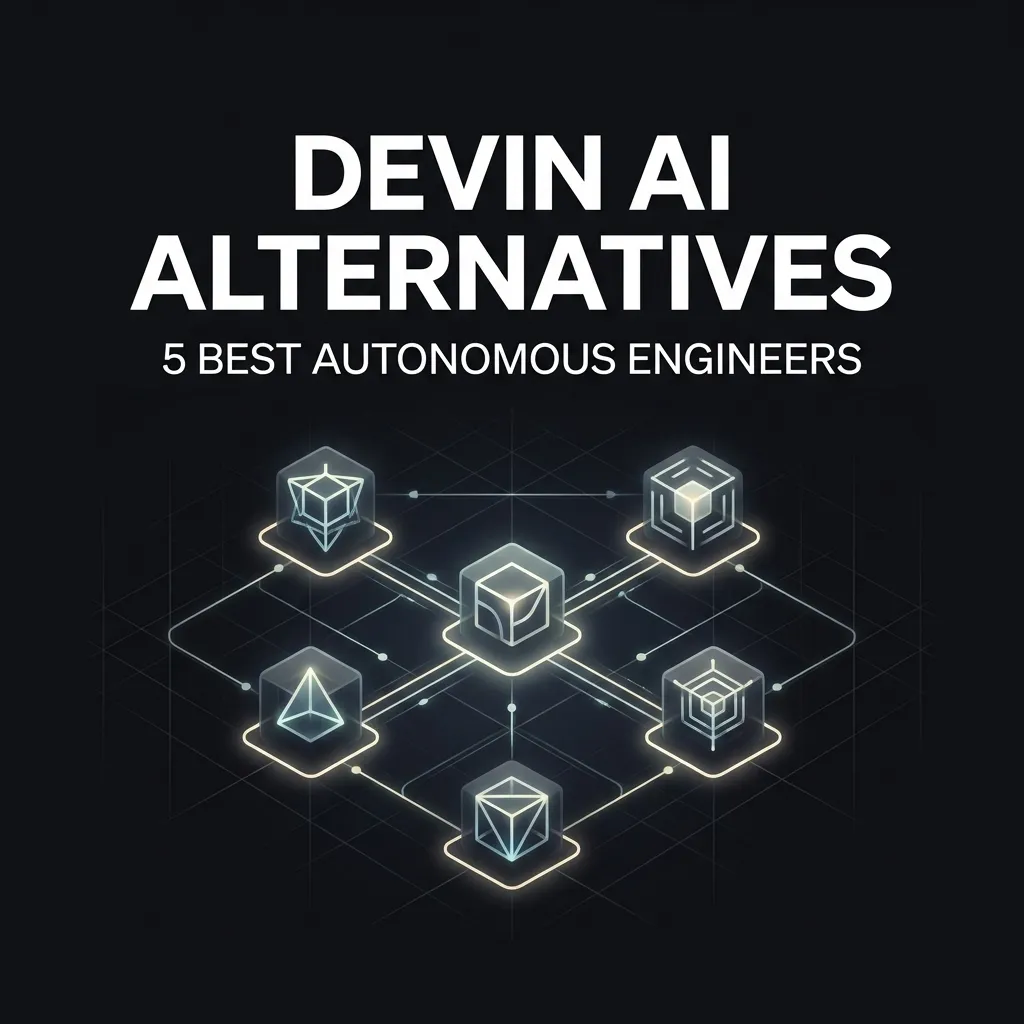
Introduction: The Rise of the Autonomous Software Engineer
When Cognition Labs first introduced Devin AI in early 2024, it felt like science fiction. Touted as the world's first "autonomous AI software engineer," Devin demonstrated the ability to take a high-level prompt, plan an implementation, write the code, debug errors, run local servers, and deploy complete applications with zero human intervention.
By 2026, the concept of an autonomous AI engineer has transitioned from a viral marketing campaign to a standard component of the modern software engineering stack. Development teams no longer ask if they should use autonomous agents; instead, they are focused on choosing the most cost-effective, secure, and reliable agent for their specific workflows.
While Devin AI remains a powerful, high-end enterprise solution, its closed-source nature, high cost, and waitlist-only access have led to the rise of a highly competitive ecosystem of open-source and commercial alternatives.
In this market review, we will analyze the 5 best Devin AI alternatives in 2026. We will compare their features, performance benchmarks, and pricing models to help you choose the right autonomous AI engineer for your development team.
The Devin AI Hype vs. Reality
Devin AI set a high benchmark for autonomous agents by scoring exceptionally well on the SWE-bench (a dataset that tests AI models on real, complex GitHub issues from open-source repositories).
Devin's primary strength is its sandboxed container environment. When you give Devin a task, it spins up a secure virtual machine equipped with a terminal, a browser, and a code editor. This allows Devin to install dependencies, run test suites, and visually inspect web pages just like a human developer would.
However, in production environments, teams quickly ran into several limitations:
- High Latency: Devin's multi-step planning and self-correction loops can take 15 to 30 minutes to complete even simple tasks.
- Extreme Cost: Running full container sandboxes with continuous LLM reasoning is incredibly expensive, often costing $10 to $30 per hour of active agent run.
- Lack of Local Integration: Because Devin runs in Cognition's cloud containers, integrating it with local databases, private APIs, or proprietary internal tools is highly complex and introduces major security concerns.
Why Look for Devin AI Alternatives?
In 2026, the demand for alternatives is driven by three main factors:
- Data Privacy & Security: Enterprise teams are uncomfortable sending their proprietary codebases and database credentials to a closed-source cloud provider. They require agents that can run locally or within their private AWS/GCP VPCs.
- Cost Optimization: Teams want to leverage their existing API contracts (such as Anthropic or OpenAI enterprise keys) rather than paying a flat, high-markup subscription rate.
- Workflow Control: Developers don't always want a fully autonomous "black box" agent. They often prefer semi-autonomous, interactive agents that work alongside them in real-time.
The 5 Best Devin AI Alternatives in 2026
Let's analyze the five leading autonomous AI software engineering platforms on the market today:
1. OpenDevin (All-Hands AI) — The Open-Source King
Originally started as a community-driven open-source alternative, OpenDevin (now backed by All-Hands AI) is the most popular open-source autonomous agent. It runs entirely locally inside a secure Docker container on your machine, giving it complete access to your local tools and file system.
- Best For: Developers who want 100% data privacy and complete code ownership.
- Tech Stack: Python, Docker, React frontend. Supports any LLM via Ollama, LiteLLM, or direct API keys.
- Pricing: Free (Open-source). You only pay for your direct LLM token usage.
2. Claude Code (Anthropic) — The Terminal Specialist
Anthropic's official terminal-first agent, Claude Code, is a highly focused autonomous engineer. Rather than running in a heavy cloud container, Claude Code runs directly in your local terminal, executing shell commands, running local tests, and editing files in a tight, hyper-fast agentic loop.
- Best For: Rapid multi-file refactoring, test-driven debugging, and DevOps automation.
- Tech Stack: Node.js CLI, powered by Claude 3.5/4.6 Sonnet.
- Pricing: Pay-per-token directly via Anthropic API.
3. Cursor Composer — The Visual IDE Powerhouse
While Cursor is primary a visual IDE, its Composer feature operates as a highly capable semi-autonomous agent. Composer can edit multiple files simultaneously, read terminal outputs, and self-correct errors, all while displaying a beautiful, side-by-side visual diff for the developer to review.
- Best For: Active feature development, frontend styling, and interactive code reviews.
- Tech Stack: VS Code Fork application with local vector indexing.
- Pricing: $20/month for the Pro subscription.
4. SWE-agent (Princeton NLP) — The Academic Benchmark Leader
Developed by the Princeton NLP group, SWE-agent turns language models into autonomous software engineers that can resolve real bugs in complex GitHub repositories. It utilizes a custom "Agent-Computer Interface" (ACI) designed to make it easier for LLMs to browse codebases, edit files, and execute terminal commands.
- Best For: Resolving complex, deep-seated backend bugs and open-source issue triage.
- Tech Stack: Python, Docker, custom ACI terminal.
- Pricing: Free (Open-source).
5. Lovable.dev — The Full-Stack SaaS Builder
If your goal is to build complete, data-driven web applications from scratch, Lovable.dev is the ultimate alternative. By combining frontend UI generation with automatic Supabase database provisioning, Lovable builds fully functional full-stack applications in minutes.
- Best For: Founders building MVPs, rapid SaaS prototyping, and full-stack web generation.
- Tech Stack: Cloud-based workspace, React frontend, Supabase backend.
- Pricing: $20/month for the Pro plan.
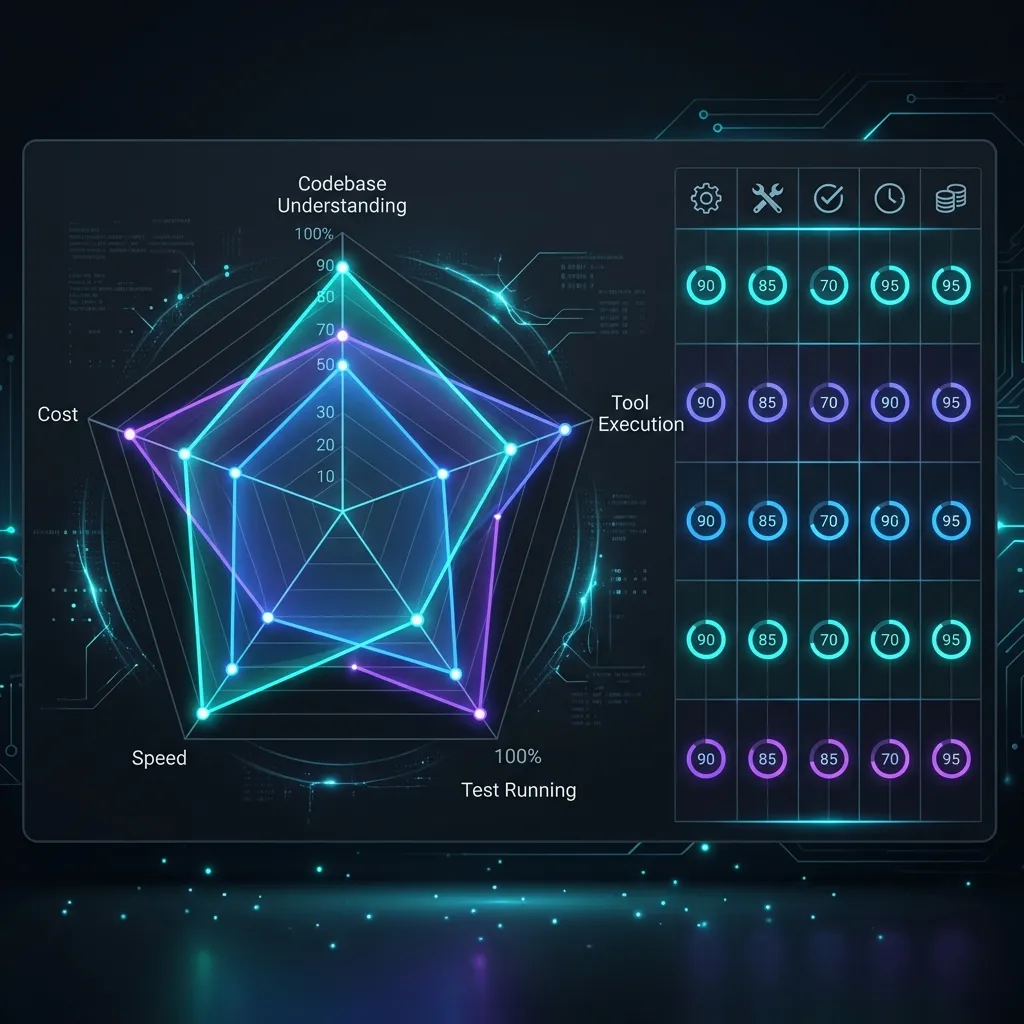
Head-to-Head Comparison: Devin vs. Alternatives
| Platform | Deployment | Autonomy | Privacy | Average Cost |
|---|---|---|---|---|
| Devin AI | Cloud Sandbox | High | Low (Closed Cloud) | ~$500+/mo |
| OpenDevin | Local Docker | High | High (Local) | Pay-per-token only |
| Claude Code | Local Terminal | High | High (Local) | Pay-per-token only |
| Cursor Composer | Local IDE | Medium | High (Local) | $20/mo |
| Lovable.dev | Cloud Workspace | High | Medium | $20/mo |
How to Choose the Right AI Engineer for Your Stack
To select the optimal autonomous agent for your engineering team, consider the following decision matrix:
- Choose OpenDevin if: You are working on proprietary enterprise code, require 100% local execution for security compliance, and want complete control over your LLM endpoints.
- Choose Claude Code if: You are a terminal-centric developer who wants a lightning-fast, lightweight agent to handle multi-file refactoring, local test suites, and git operations.
- Choose Cursor if: You want a highly polished, interactive visual editor that blends traditional coding with AI-assisted autocomplete and multi-file code generation.
- Choose Lovable.dev if: You are an indie hacker or founder looking to build, connect, and deploy fully functional full-stack web applications in minutes using natural language.
Conclusion: The Future is Multi-Agent
Devin AI may have started the autonomous software engineering revolution, but the market in 2026 has proven that the future belongs to open, flexible, and integrated alternatives.
By leveraging open-source platforms like OpenDevin, terminal specialists like Claude Code, and visual powerhouses like Cursor, development teams can build a highly customized, cost-effective, and secure AI developer toolchain.
To start optimizing your local development environment for these autonomous agents, check out our guide on VS Code Profiles Setup, or read our comprehensive setup tutorial for Aider AI to master terminal-based coding.