
Why This Snuck Up on Everyone
The subscription model works so well for companies precisely because it removes friction – you sign up in seconds, and canceling usually takes more effort than staying subscribed. That imbalance is intentional. Free trials convert into paid plans automatically unless you remember to cancel, and once a subscription is running quietly in the background of your bank statement, it stops registering as an active decision at all.
This isn't a personal failing – it's a predictable outcome of how these products are designed. Understanding that makes the cleanup process feel less like admitting a mistake and more like fixing a system that was built to be easy to fall into and hard to notice.
Step One: Find Everything You're Actually Paying For
Before you can cut anything, you need the full picture, and most people underestimate this by a wide margin. A few reliable ways to surface every subscription:
Scan your last two to three months of bank and credit card statements line by line, since irregular billing cycles (annual charges, quarterly plans) won't show up if you only check one month.
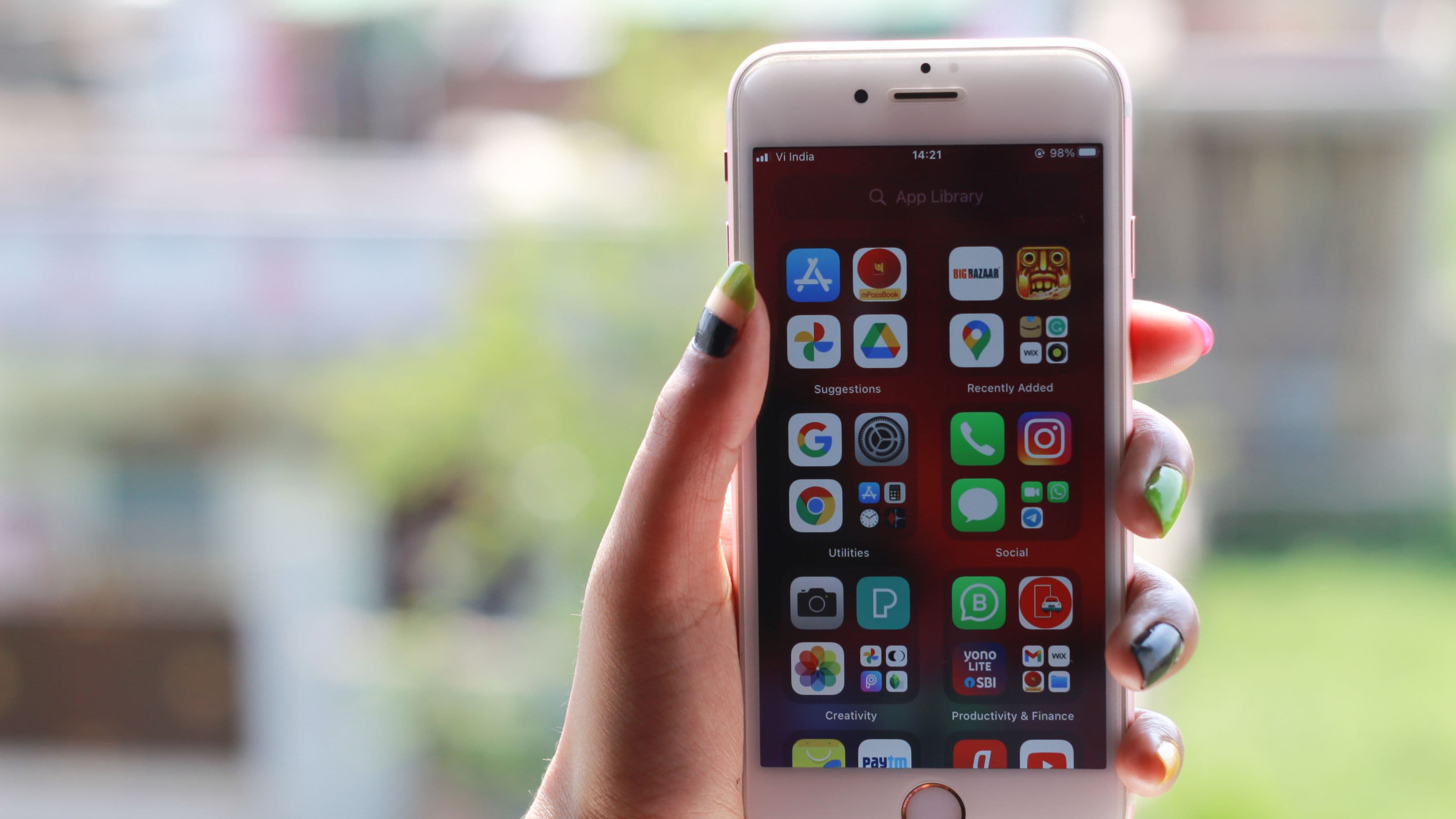
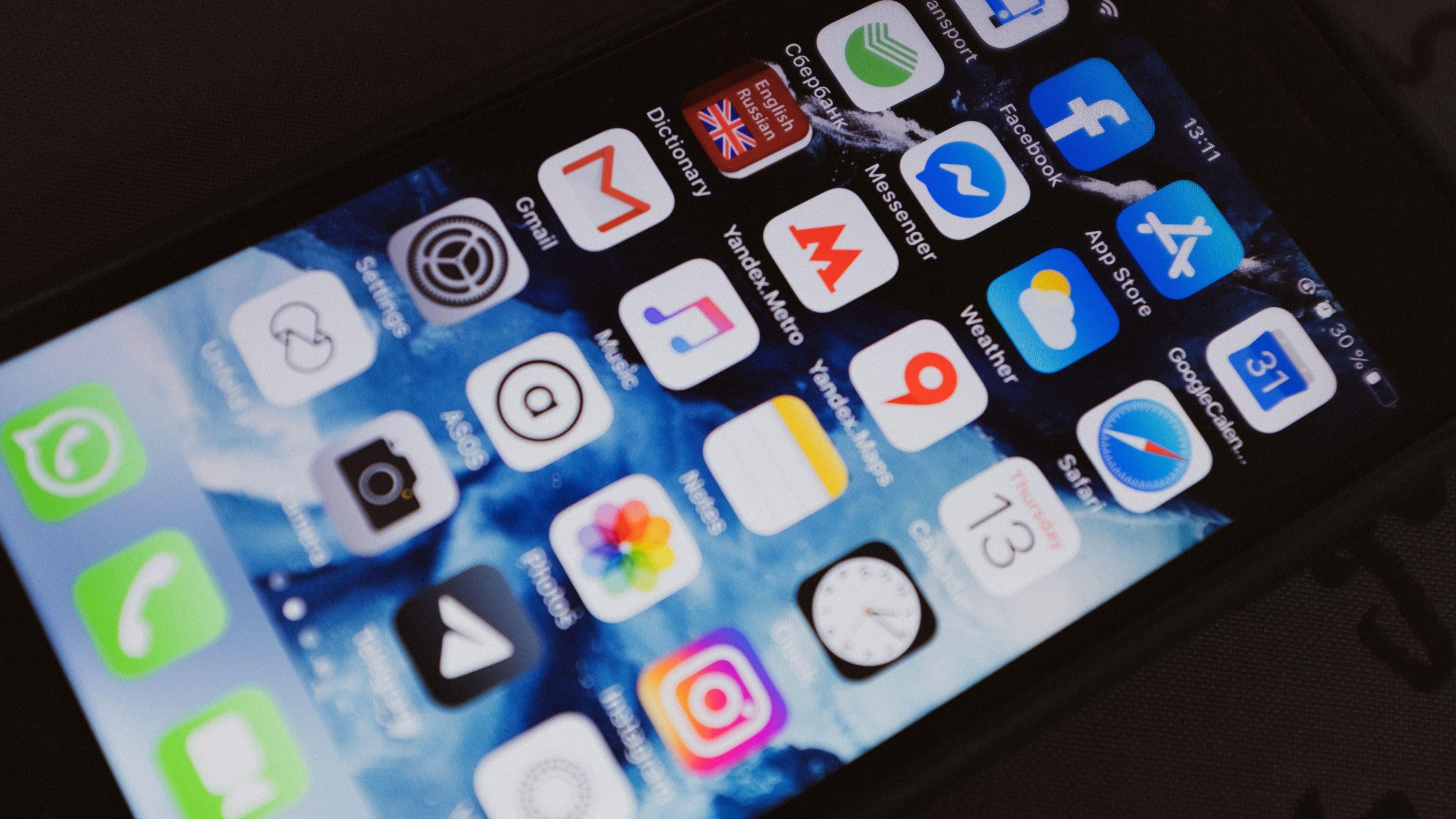
Check your phone's subscription management screen – both iOS and Android have dedicated sections listing every active app subscription tied to your account.
Use a subscription-tracking app or your bank's built-in tool – many banking apps now flag recurring charges automatically, which catches things manual scanning misses.
Search your email inbox for "receipt," "renewal," or "your subscription" to catch older sign-ups that may not show a clear line item on your statement.
Step Two: Sort What You Find
Once you have a full list, sort each subscription into one of three categories:
Actually used regularly – keep these without guilt.
Used occasionally but not worth the monthly cost – consider switching to a cheaper tier, pausing, or canceling and resubscribing only when you actually need it.
Forgotten entirely or barely touched in months – cancel these immediately; there's rarely a good reason to keep paying for something you don't remember signing up for.
Step Three: Actually Cancel the Ones You Don't Need
This is the step that trips people up, mostly because companies design cancellation flows to be more complicated than sign-up flows. A few practical notes:
App store subscriptions (through Apple or Google) can usually be canceled directly from your phone's settings without contacting the company at all.
Web-based subscriptions sometimes require navigating through account settings buried several menus deep, or occasionally require a chat with customer support specifically to cancel.
If a company makes cancellation unreasonably difficult, note the date and confirmation number – some regions now have consumer protection rules requiring cancellation to be as easy as sign-up, and having documentation helps if you need to dispute a charge later.
Why This Matters Beyond Just Saving Money
Cleaning up subscriptions isn't only about the dollar amount, though that's often significant once totaled. It also reduces the mental overhead of tracking scattered recurring charges and gives you a clearer, more accurate picture of your actual monthly spending – which makes budgeting and financial planning meaningfully easier across the board.
Building a System So This Doesn't Happen Again
A one-time cleanup helps, but subscriptions tend to creep back in over time unless you build a habit around them:
Set a recurring calendar reminder every three months to review your subscription list
Use a single dedicated card for subscriptions so they're easier to track in one place
Before starting any free trial, set a reminder for a day or two before it converts to a paid plan
Periodically ask whether a subscription still matches how you actually use it, since your needs and habits change over time even if the subscription doesn't
What to Avoid
Don't cancel everything impulsively without checking if a subscription includes something you'd genuinely miss – a quick review before canceling avoids regret. Avoid assuming a "free" trial is actually free without checking the exact date it converts to paid, since that date is often buried in fine print. And don't ignore smaller subscriptions under the assumption they don't add up – a handful of $5–10 monthly charges can quietly total more than a single larger, more visible expense.
FAQ
How much do people typically spend on subscriptions without realizing it? Industry surveys have repeatedly found that people underestimate their actual subscription spending by a significant margin, often by two to three times their initial guess, once every recurring charge is tallied.
Are subscription-tracking apps safe to use? Reputable ones that only read transaction data (rather than requiring your account passwords) are generally considered safe, but it's worth reviewing their privacy policy before linking financial accounts.
Is it worth negotiating with a subscription provider instead of canceling? Sometimes – many companies offer a retention discount when you attempt to cancel, so it can be worth going through the cancellation flow even if you're open to staying at a lower price.