
Why This Actually Matters Now
Most people's "digital life" isn't just files anymore, it's photos of years of memories, financial records, work documents, passwords, and communication history spread across phones, laptops, and cloud services that all assume the others are handling backups. That assumption breaks down more often than people expect. Hard drives fail, phones get lost or damaged, and cloud accounts occasionally get locked or deleted due to billing issues or security flags. A proper backup strategy means any single point of failure becomes an inconvenience instead of a disaster.
Step 1: Take Inventory of What You Actually Need to Protect
Before backing anything up, spend fifteen minutes listing where your important stuff actually lives. This usually breaks down into a few categories: photos and videos, documents like tax records or contracts, passwords and account credentials, and anything stored locally on a specific device that isn't already synced somewhere else. Knowing this upfront prevents the common mistake of backing up an obvious folder while missing something critical tucked away on an old laptop or a rarely opened cloud account.
Step 2: Set Up the 3-2-1 Backup Rule
The 3-2-1 rule is a long-standing standard among IT professionals for a reason: it's simple and it works. It means keeping three total copies of your important data, stored on two different types of media, with one copy kept somewhere offsite. In practical terms for a regular person, this might look like your original files on your laptop, a backup on an external hard drive, and a third copy stored in a cloud service. This way, a house fire, a stolen laptop, or a corrupted hard drive can't take out everything at once.
Step 3: Back Up Photos and Videos First
For most people, photos and videos carry the highest emotional cost if lost, so tackle these first. If you're on an iPhone, enabling iCloud Photos ensures your library syncs automatically, while Android users have a similar option through Google Photos. For extra protection beyond a single cloud provider, consider also downloading your full photo library periodically to an external drive, since relying on just one cloud service still leaves you exposed if that account has an issue.
Setting this up usually takes ten to fifteen minutes and, once enabled, runs automatically in the background without requiring ongoing effort.
Step 4: Back Up Documents and Files
Move important documents like tax records, contracts, and work files into a cloud storage service such as Google Drive, Dropbox, or OneDrive, all of which offer a reasonable amount of free storage to start. For anything especially sensitive, like tax documents or scanned identification, consider an encrypted cloud folder or a password-protected zip file before uploading, adding an extra layer of protection beyond the platform's own security.
If you have an external hard drive, this is also a good time to drag over a full copy of your documents folder as a secondary backup that doesn't rely on internet access to retrieve.
Step 5: Export and Secure Your Passwords
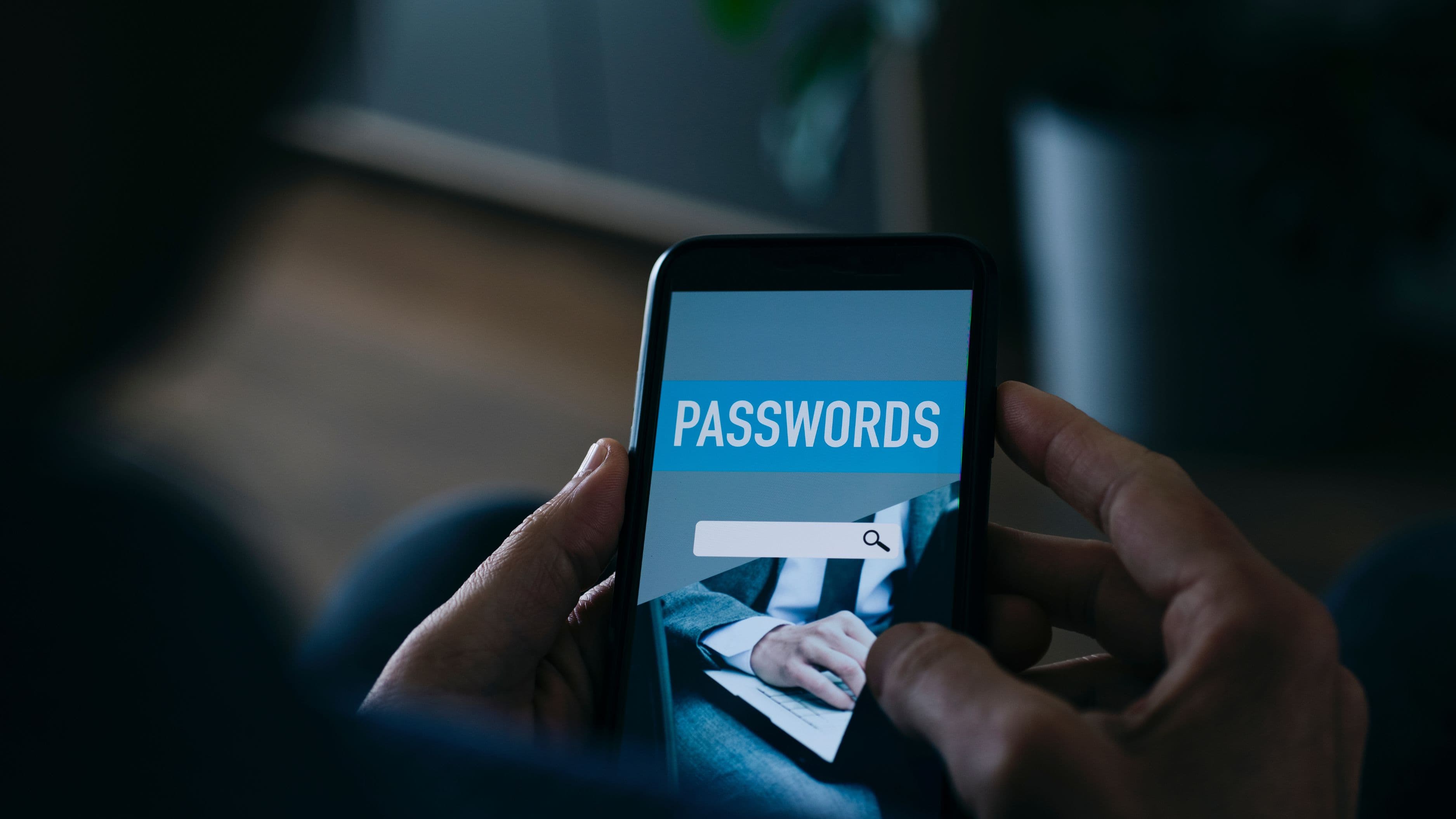
If you've been relying on your browser's built-in password saving without a real password manager, this is worth fixing during the same afternoon. Tools like Bitwarden or 1Password let you import saved passwords from your browser, generate stronger ones going forward, and access your credentials securely across devices. Losing access to your email or bank login because a device broke and passwords were only saved locally is a completely avoidable problem once this step is done.
Step 6: Back Up Your Phone Completely, Not Just Photos
Most phones offer a full device backup option, whether that's iCloud Backup for iPhone or Google's backup service for Android, which captures app data, messages, and settings in addition to photos. Enabling this means that if your phone is lost, stolen, or damaged, setting up a replacement device restores nearly everything automatically instead of starting from scratch.
Step 7: Test That Your Backups Actually Work
A backup you've never tested is a backup you can't fully trust. Spend a few minutes verifying that a recent photo actually appears in your cloud library, that a document you saved to Drive opens correctly, and that your password manager has the accounts you expect. This step is easy to skip but catches silent failures, like a sync that stalled months ago without anyone noticing, before they become a real problem.
Tips for Better Results
Set a recurring reminder every few months to check that your backups are still running correctly, since settings can quietly change after an app update or an account issue. Label your external hard drive clearly and store it somewhere separate from your main devices, ideally at a different physical location if you're serious about disaster protection. And consider using two different cloud providers for your most critical files rather than putting everything into a single company's ecosystem.
Common Mistakes to Avoid
A common mistake is assuming that syncing is the same as backing up. If a file syncs across devices and then gets accidentally deleted or corrupted, that same change often replicates to every synced copy, meaning sync alone doesn't protect against accidental deletion or ransomware in the way a true backup does. Another frequent issue is enabling cloud backup once and never checking it again, only to discover months or years later that it silently stopped working due to a full storage quota. It's also worth avoiding storing your only backup on the same device as your original files, since that defeats the entire purpose of having a backup in the first place.
FAQ
How much cloud storage do I actually need? It depends on how much you're storing, but many people find that 200GB to 2TB from a single provider covers photos, documents, and device backups comfortably, with paid tiers scaling up from there.
Is a physical external hard drive still necessary if I use cloud storage? It's not strictly required, but having a local backup on a physical drive protects against cloud account issues, internet outages, and gives you access to your files without needing a connection.
How often should I redo my full backup process? Once your automatic backups are set up correctly, they largely run continuously, but it's worth doing a manual check every three to six months to confirm everything is still syncing as expected.
📚 Sources
US-CERT/CISA – "Data Backup Options." https://www.cisa.gov/news-events/news/data-backup-options
Google – "Back Up Your Android Device." https://support.google.com/android/answer/2819582
Apple Support – "Back Up Your iPhone." https://support.apple.com/en-us/HT203977