What's Actually Happening
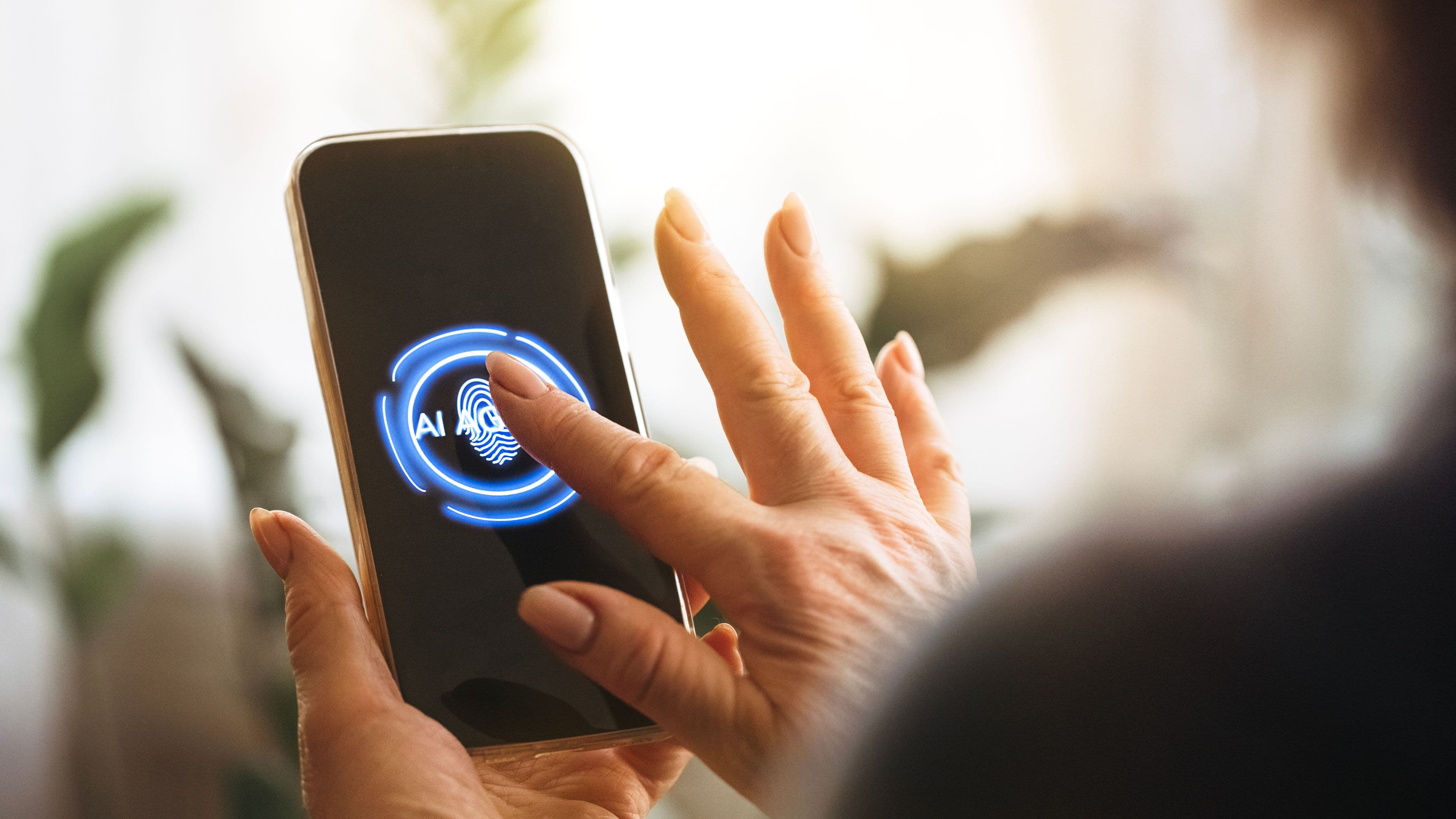
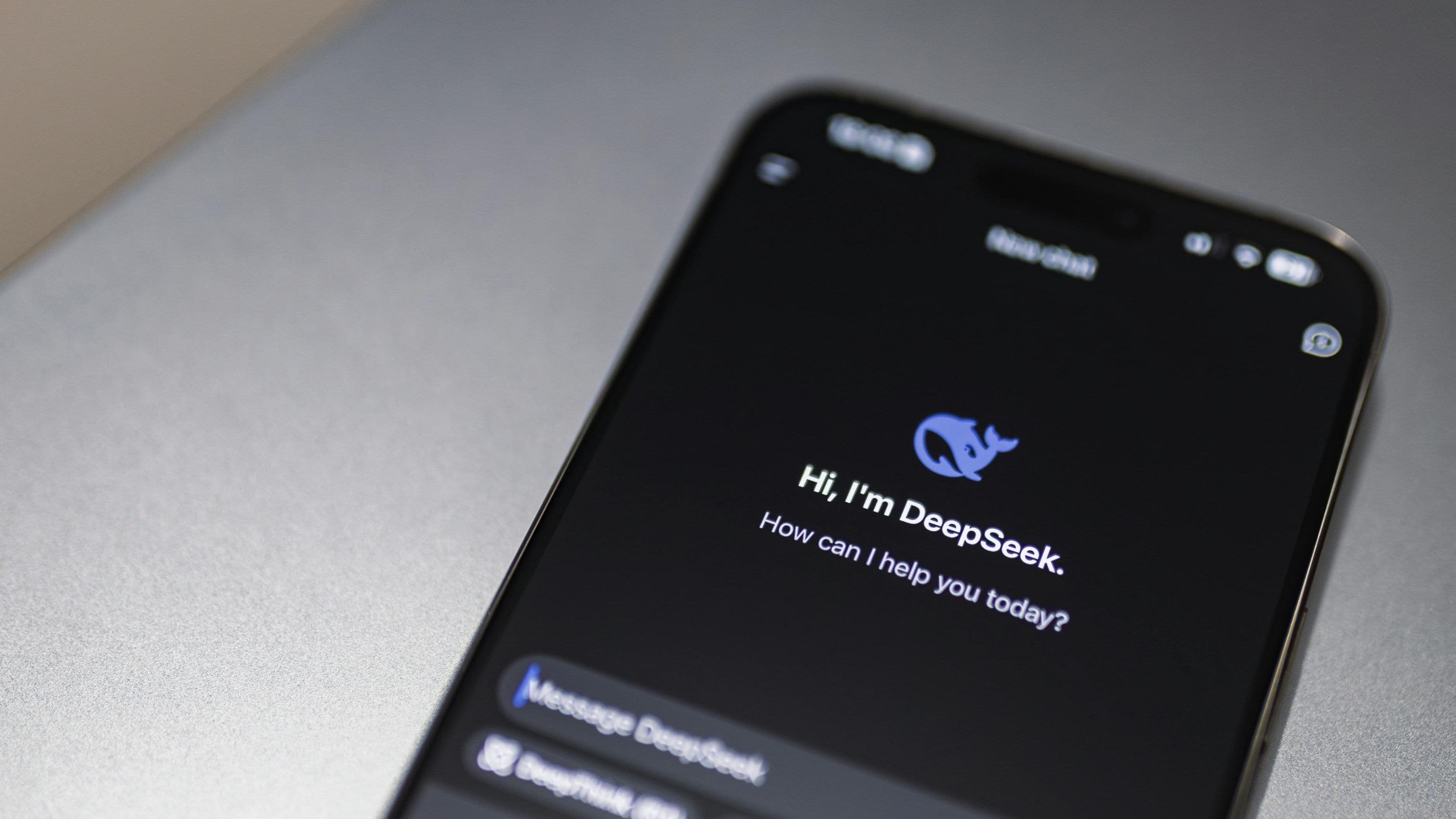
People are using general-purpose AI chatbots, along with a growing number of dedicated mental health and companion apps, for things like processing daily stress, working through relationship conflicts, managing anxious thought spirals, or simply having a low-pressure space to talk through what's on their mind. This has grown considerably as these tools have become more conversationally capable and more widely accessible, often free or low-cost compared to traditional therapy.
This sits alongside a separate, more established category: purpose-built mental health apps using structured therapeutic frameworks like cognitive behavioral therapy techniques, which have existed for longer and have more research behind their specific design. General AI chatbots being used informally for emotional support represent a distinct, newer use case that researchers are still actively working to understand.
Where the Genuine Benefits Show Up
For low-stakes emotional processing – working through a stressful day, organizing scattered thoughts, or getting a different perspective on a minor conflict – AI chatbots can offer something genuinely useful: a judgment-free space available immediately, without needing to schedule an appointment or worry about burdening a friend at an inconvenient time. This accessibility matters, particularly for people who face real barriers to traditional therapy, whether that's cost, availability, scheduling, or simply not being ready to open up to a person yet.
There's also documented value in AI's usefulness as a bridge or supplement rather than a replacement – helping someone organize thoughts before an actual therapy session, or serving as a low-stakes way to practice articulating feelings that feel too vulnerable to say out loud to another person initially. Used this way, AI can genuinely lower the barrier to eventually seeking or engaging more fully with human support, rather than replacing it.
Where the Real Concerns Show Up
The clearest, most serious concern involves crisis situations – active suicidal ideation, severe psychological distress, or situations requiring immediate professional intervention. AI chatbots, regardless of how sophisticated they seem in conversation, aren't equipped to provide the kind of assessment, intervention, and follow-up care that a crisis situation genuinely requires, and researchers and mental health organizations have raised specific concern about people in crisis relying on AI instead of, or as a substitute for, professional crisis resources.
There's also a subtler, more pervasive concern around validation without genuine challenge. AI chatbots, by design, tend to be agreeable and validating, which can feel supportive in the moment but risks reinforcing distorted thinking patterns rather than gently challenging them the way a trained therapist would. Someone spiraling into catastrophic thinking about a situation might receive responses that inadvertently validate that spiral rather than helping interrupt it, simply because the AI is optimized to be supportive and agreeable rather than clinically trained to recognize and redirect unhelpful thought patterns.
Dependency is another documented concern, particularly with companion-style AI apps specifically designed to feel emotionally engaging. Some research and clinical commentary has raised concern about users, particularly those already dealing with isolation or loneliness, forming a primary emotional reliance on an AI tool in a way that could reduce motivation to build or maintain actual human relationships and support systems, which remain important for long-term wellbeing in ways AI genuinely cannot replicate.
Why It Matters
This isn't a simple "AI good" or "AI bad" verdict – it's a question of fit between the tool and the specific need. For everyday emotional processing and low-stakes support, AI chatbots can offer real, accessible value, particularly for people who otherwise wouldn't have any outlet at all. For anything involving crisis-level distress, significant untreated mental health conditions, or a need for genuine clinical assessment and treatment, AI is not an adequate substitute for professional care, and treating it as one carries real risk.
The regulatory and research landscape here is also still developing. Mental health professional organizations and researchers continue actively studying both the potential benefits and risks of this use case, and formal clinical guidance is still evolving rather than settled, meaning the appropriate role for AI in mental health support is a genuinely open, actively-studied question rather than a fully resolved one.
Practical Guidance for Using AI Tools Responsibly Here
Treat AI-based emotional support as a supplement for everyday processing, not a replacement for professional care when facing significant, persistent, or crisis-level mental health concerns. If you notice yourself relying entirely on an AI tool while consistently avoiding human connection or professional support, that pattern is worth examining honestly rather than dismissing.
If you're using AI to process something specific and difficult, it can help to periodically check whether the interaction feels genuinely clarifying or whether it mostly feels validating in a way that keeps you circling the same thoughts without real movement forward. The latter pattern is worth noticing, since it may indicate a need for a different kind of support than an AI conversation can provide.
FAQ
Can an AI chatbot actually diagnose a mental health condition? No – AI chatbots aren't equipped to provide clinical diagnosis, and any tool suggesting it can do so reliably should be treated with real skepticism. Diagnosis requires professional clinical assessment.
Is it harmful to talk to an AI chatbot about difficult emotions occasionally? For most people, occasional use for everyday emotional processing isn't inherently harmful, though it shouldn't replace professional support for significant or ongoing mental health concerns.
How do I know if I should see a professional instead of using an AI tool? If your distress is persistent, significantly affecting daily functioning, or involves thoughts of self-harm, professional support is genuinely necessary rather than optional, regardless of how helpful AI conversation might feel in the moment.
Are dedicated mental health apps different from general AI chatbots for this purpose? Yes – purpose-built mental health apps using established therapeutic frameworks generally have more research and clinical design behind their specific approach, compared to general-purpose AI chatbots being used informally for emotional support.
📚 Sources
American Psychological Association – AI and Mental Health Research
National Institute of Mental Health – Technology and Mental Health
World Health Organization – Ethics and Governance of AI for Health