
What's Actually Changed in the Development Process
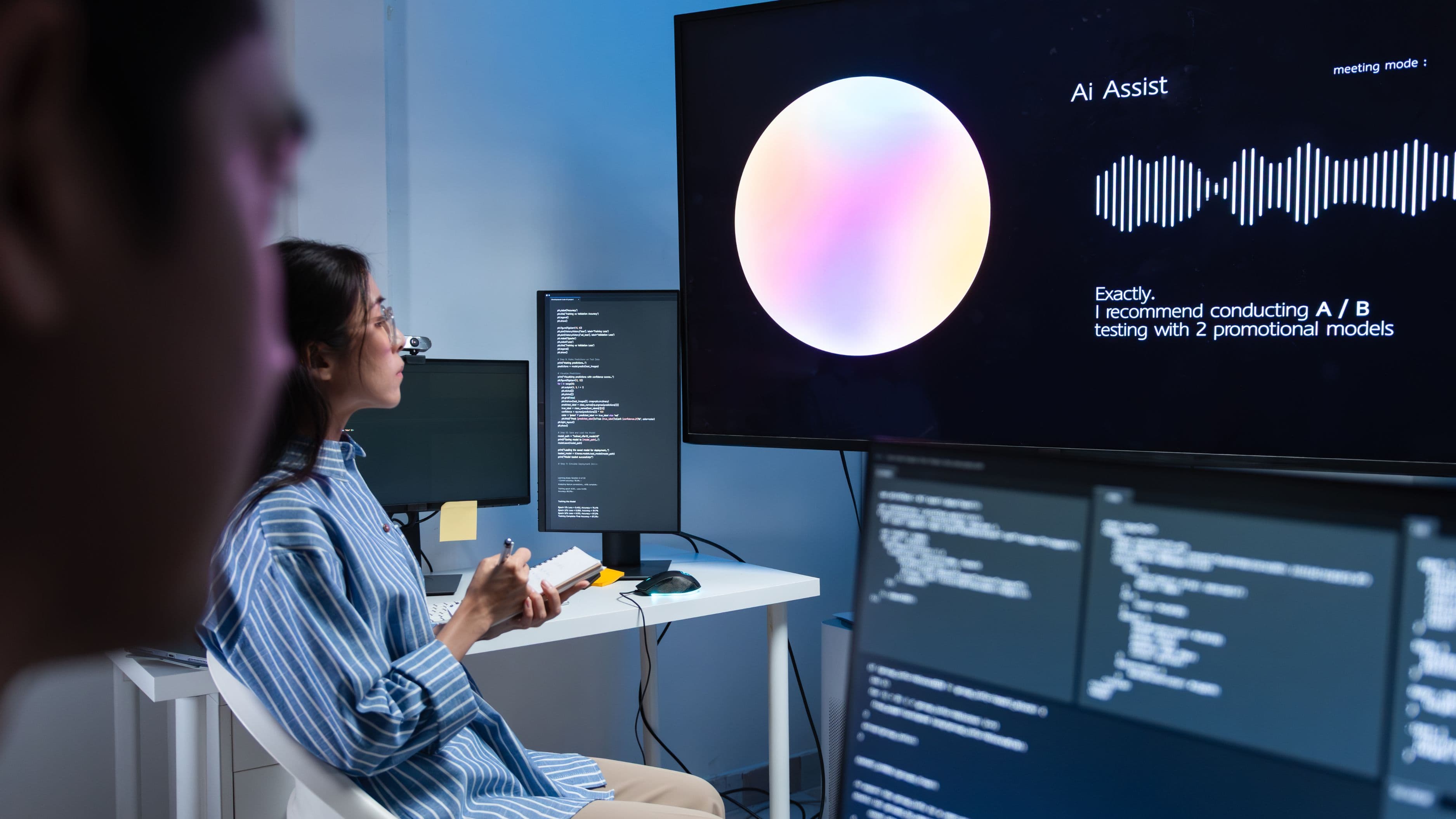
AI coding assistants like GitHub Copilot, Cursor, and various chat-based coding tools have moved from novelty to standard tooling across a large share of the industry in a remarkably short window. These tools work by predicting and generating code based on context, comments, and existing patterns in a codebase, functioning less like autocomplete and more like a collaborator that can draft entire functions, suggest fixes for bugs, or translate a plain-language description into working code.
The practical effect is that a lot of the repetitive, boilerplate-heavy parts of programming, writing standard API endpoints, generating test cases, converting data formats, have become significantly faster. Developers increasingly spend more of their time reviewing, refining, and architecting rather than typing every line from scratch, which is a genuine shift in where the actual skill and time investment in the job now lives.
Why This Matters Beyond Just Speed
The obvious benefit is faster output, but the more interesting shift is in what kind of work developers are left doing. When AI handles more of the mechanical writing, human attention shifts toward the parts of software development that are harder to automate: understanding what a system actually needs to do, making architectural decisions, and catching the kind of subtle logic errors that AI-generated code can introduce just as easily as human-written code can.
This has real implications for how teams are structured and what skills get prioritized in hiring and training. Some of the traditional signals of junior developer competency, being able to write clean, correct code quickly from a specification, matter less when an AI tool can produce a reasonable first draft almost instantly. What matters more now is the ability to evaluate that draft critically: does it actually solve the right problem, does it introduce security issues, does it fit the broader system's architecture.
Real-World Example: How a Typical Feature Gets Built Differently Now
Consider building a new user authentication feature. A few years ago, a developer would research best practices, write the authentication logic from scratch or adapt it from internal documentation, then test and debug it manually. Now, a developer working with an AI coding assistant might describe the requirement in plain language, get a generated first draft of the authentication flow, then spend their actual focused effort reviewing that draft for security gaps, edge cases the AI didn't consider, and integration issues with the rest of the codebase.
This isn't necessarily faster in every case, since reviewing AI-generated code carefully, especially for security-sensitive features like authentication, takes real diligence and can't be rushed without risk. But it does redistribute where the time goes: less time on initial drafting, more time on critical evaluation and integration.
The Skills Getting More Valuable, and Less Valuable
Code review and debugging skills have become more central rather than less, since verifying AI-generated code for correctness and security is arguably harder than writing equivalent code from scratch, precisely because reviewing someone else's (or something else's) logic requires a different kind of attention than writing your own. Systems thinking, the ability to understand how a piece of code fits into a larger architecture, has also become more valuable relative to pure syntax fluency, since AI tools handle a lot of syntax-level work already.
On the other side, rote memorization of language syntax and boilerplate patterns matters less than it used to, since AI tools handle much of that recall automatically. This has led to real debate in the industry about whether junior developers are getting enough hands-on practice with fundamentals if AI tools are doing more of the foundational writing before they've fully internalized it themselves.
Risks and Limitations Worth Understanding
AI-generated code isn't inherently more or less secure or correct than human-written code, and it can introduce subtle bugs, security vulnerabilities, or inefficient patterns that look plausible on the surface but cause real problems in production if they're not caught during review. Studies examining AI-assisted code have found it can sometimes introduce security issues at a rate worth taking seriously, particularly when developers trust generated output without adequate scrutiny.
There's also a dependency risk worth considering: developers who rely heavily on AI-generated code without deeply understanding the underlying logic may struggle when something breaks and requires genuine debugging from first principles, rather than another round of AI-assisted troubleshooting. This is part of why many engineering teams are actively working out internal guidelines for how much AI-generated code can go into production without deeper human review, rather than treating all generated output equivalently.
What to Watch Next
Expect continued expansion of AI's role beyond individual code generation into broader parts of the development lifecycle: automated testing generation, deployment troubleshooting, and even early-stage architectural planning assistance. The trajectory suggests AI tools becoming more deeply integrated into the full software development lifecycle rather than remaining a code-completion feature bolted onto existing workflows.
FAQ
Are AI coding tools going to replace software developers entirely? Current evidence points toward augmentation rather than replacement, with the developer role shifting toward review, architecture, and integration rather than disappearing. Most industry analysis suggests this is a genuine shift in job responsibilities rather than outright elimination of the role.
Is AI-generated code generally safe to use in production? It requires the same, if not more, scrutiny as human-written code before production use, particularly for security-sensitive features, since AI-generated code can contain subtle issues that aren't always obvious on a quick review.
How is this affecting junior developers specifically? There's active industry debate about this. Some argue AI tools help juniors learn faster by seeing well-structured code examples; others worry it reduces the hands-on practice needed to build strong fundamentals. The honest answer is that this is still playing out and worth watching as more data accumulates.
📚 Sources
GitHub Copilot impact research – https://github.blog/news-insights/research/
Security risks in AI-generated code – https://www.cs.stanford.edu/~jc/